REVIEW · TAHITI
Whale watching in the calm of the peninsula with Tātahi tours
Book on Viator →Operated by Tātahi Tours · Bookable on Viator
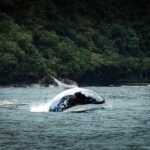
Whales, calm water, and Teahupoo views make this one easy to love. I like that you sail in a wild, preserved peninsula area where it feels far from the crowds, and you get a real briefing before any time in the water. The other big win is the hydrophone, so you’re not just looking—you’re also listening for whale song.
One thing to keep in mind: this outing needs good weather. If conditions are poor, you’ll be offered a different date or a full refund, but the tour itself is non-refundable once booked.
In This Review
- Quick Highlights
- The Toahotu–Teahupoo Route and Why the Calm Matters
- Fenua Aihere: The Roadless Island-Feeling Stop You Reach Only by Boat
- Whale Watching Search: Briefing First, Then Water When Conditions Allow
- Snorkeling Setup: What You Get, What You Should Expect
- Hydrophone Whale Song: The Soundtrack Most Tours Don’t Offer
- Price and Value: Is $193.13 Worth It?
- Meeting Point at Taiʻarapu-Ouest: Keep It Simple
- Who This Whale Watching Tour Fits Best (and Who Should Rethink It)
- Should You Book Tātahi Tours for Whale Watching in Tahiti?
- FAQ
- How long is the whale watching tour with Tātahi Tours?
- What is the price per person?
- Where does the tour start and end?
- Is hotel transfer included?
- Is snorkeling equipment included?
- Will food and drinks be provided?
- How many people are on the tour at most?
- When will I receive confirmation after booking?
- What happens if weather is poor?
- Is this tour refundable if I cancel?
Quick Highlights
- Small group (max 12) means you’re not lost in a crowd while searching for whales
- Toahotu to Teahupoo routing gives you the Teahupoo wave view on the way to deeper habitat
- Fenua Aihere by boat only: a roadless place with a more untouched feel
- Hydrophone on board helps you hear whale communication, not just see animals
- Snorkeling gear + snacks and water are included, so you can focus on the experience
- Respect-first approach in the water is built into the plan after a briefing
The Toahotu–Teahupoo Route and Why the Calm Matters
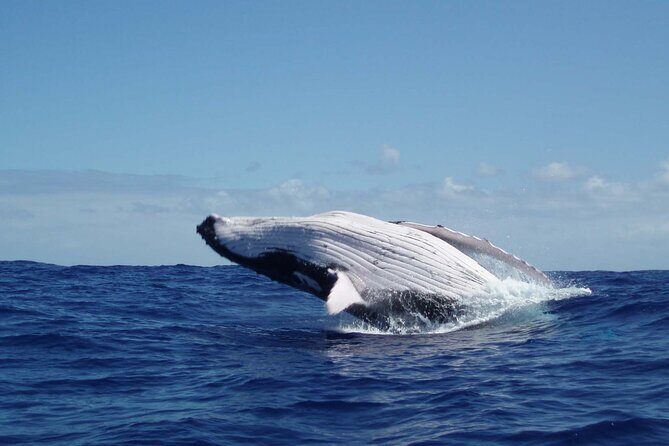
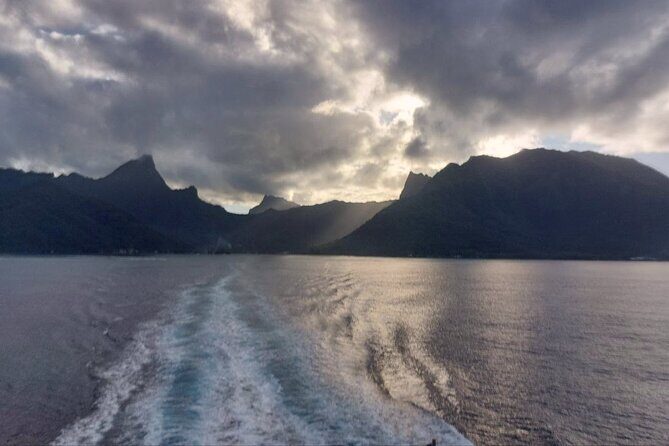
This whale watching outing is built around Tahiti’s peninsula character: quiet water, preserved shoreline, and far fewer boats than you’ll find in more developed areas. That calm isn’t just a nice-to-have. It affects everything—how comfortable you feel on the water, how steady you can be during snorkeling, and how pleasant the whole search process becomes.
You’ll sail between Toahotu and Teahupoo, and along the way you’ll also have the chance to admire the famous, almost mythical wave of Teahupoo. Even if you’re not a surfer, it helps you understand why photographers and water people talk about this coast so much: it’s dramatic, and it’s powerful.
The practical takeaway for your planning: pick this tour when you’re okay with a “conditions-first” rhythm. The calm route works best when the sea stays cooperative, and the operator is clearly set up for that.
You can also read our reviews of more whale watching tours in Tahiti



Fenua Aihere: The Roadless Island-Feeling Stop You Reach Only by Boat
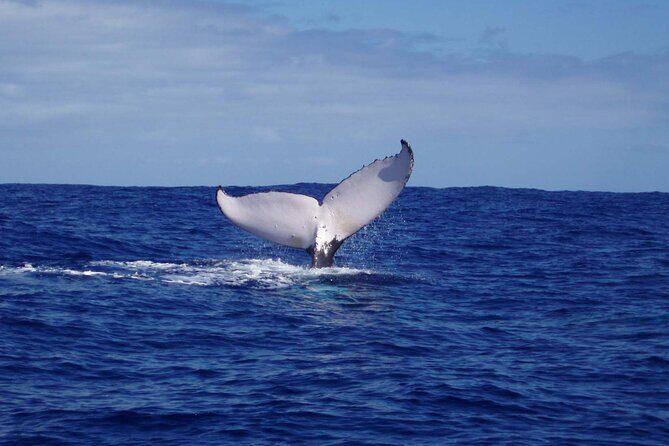
The itinerary continues toward Fenua Aihere, a place without a road—meaning you’re not dealing with parking lots or foot traffic. It’s accessible only by boat, which instantly changes the feel. You’re not just visiting a point on a map; you’re reaching an area that stays harder to access, and that usually translates to a more peaceful mood.
What I like about this kind of stop is that it breaks up the outing. Whale watching can turn into a long scan with everyone focused on the horizon, especially if whales are slow to show. A roadless destination gives the day texture: you get a sense of place, then you shift back into whale search.
One note: because it’s roadless and boat-access only, you’ll experience it the way the sea allows—not through infrastructure. That’s part of the charm, but it also means there isn’t anything “built up” for your comfort beyond what the boat provides.
Whale Watching Search: Briefing First, Then Water When Conditions Allow
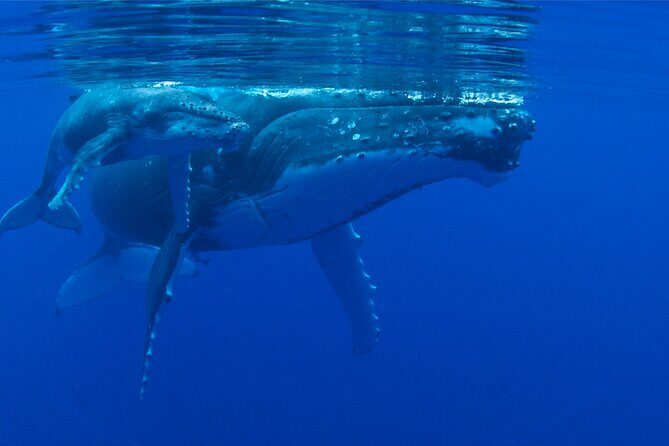
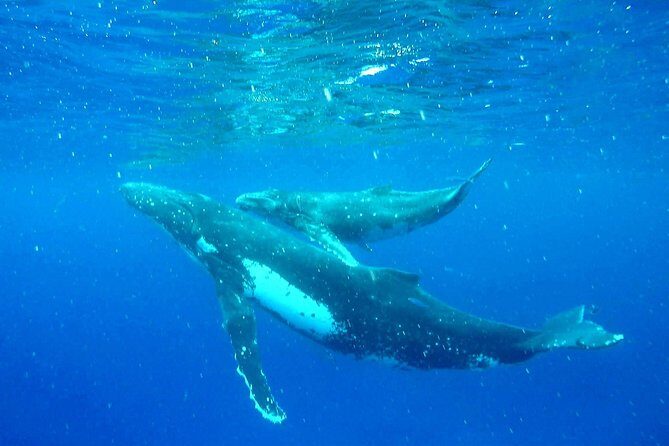
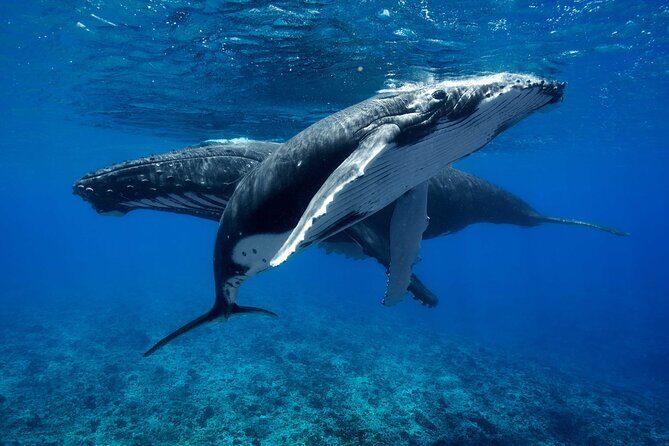
Your time on the water is not just a hunt-and-hope situation. You get a detailed briefing on whale behavior—how they live, what to look for in their physical characteristics, and how they move and interact. This matters more than it sounds. If you understand the basics, you stop treating every splash like a surprise and start recognizing what you’re seeing.
Then, if conditions allow, you’ll enter the water calmly for snorkeling. That step is where your mindset matters. The plan is designed for safety and animal respect, not chaotic crowd behavior. When the sea is calm and your group is briefed well, snorkeling becomes less about “getting in” and more about watching with focus and patience.
A hydrophone on board adds an extra layer. Instead of only scanning for a surface blow, you can also listen to the magnificent song of these marine mammals. It’s one of those details that changes the whole day. You don’t just spot whales; you start to feel their presence in the water.
If you’re the kind of person who loves learning while you travel, this is a strong fit. The briefing plus the hydrophone turns whale watching into a mini-course—without turning it into a classroom.
Snorkeling Setup: What You Get, What You Should Expect
Good whale snorkeling depends on two things: the gear and the vibe. You’re provided with snorkeling equipment, plus refreshments and fruits during the outing. That sounds simple, but it’s the kind of practical comfort that keeps you from burning energy early in the day.
You’ll also have the chance to snorkel only when conditions are suitable. That approach is smart. It keeps the experience calmer and helps the operator maintain control of spacing and time in the water.
Here’s the mindset tip I’d give you: treat snorkeling as part of the observation process, not a separate activity. Your job is to stay steady, follow the guidance, and watch what the whales are doing. If you go in expecting a guaranteed “swim with whales” moment, you might get impatient. If you go in expecting a respectful, guided look at their habitat and signals, you’ll enjoy it more.
Hydrophone Whale Song: The Soundtrack Most Tours Don’t Offer
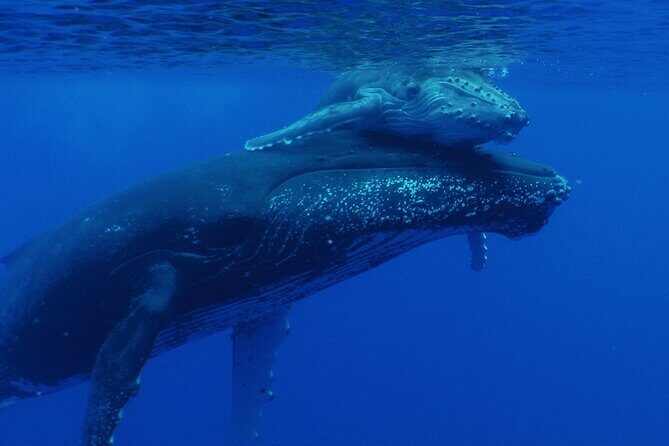
I’m a big fan of experiences where the operator adds a second sense to the mix. This tour does that with the hydrophone, letting you listen to whale communication while you’re out searching.
Why it’s valuable: whale watching is often described as visual because that’s what you can do from the deck. But whales live in a world of sound. When you can hear their calls, it gives you context for the behavior you’re seeing—like why they might surface, linger, or change direction.
Also, the hydrophone makes the trip feel more alive even when sightings are moment-by-moment. You’re not waiting in silence while scanning the horizon. You’ve got real input happening all around you.





Price and Value: Is $193.13 Worth It?
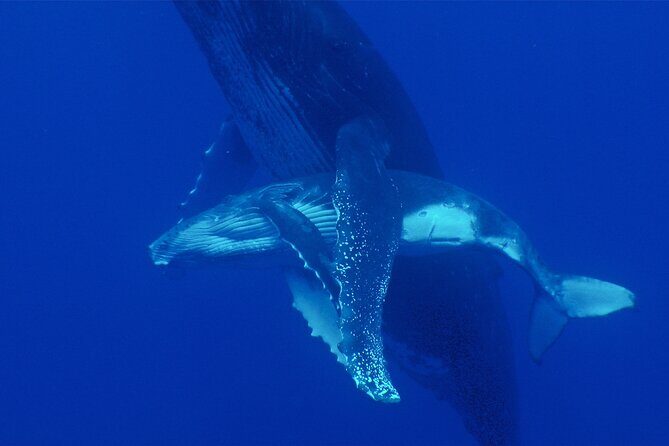
At $193.13 per person for about 4 hours, this tour sits in the mid-to-upper range—but the value comes from what’s included and how small the group is.
Here’s what you actually get for your money:
- Snorkeling equipment
- Snacks and water
- Refreshments and fruits during the outing
- A hydrophone for whale song
- Guided search with a briefing before any time in the water
- A maximum of 12 travelers, so you’re not jostling for attention
What’s not included:
- Hotel transfer
That last point can matter for your budget. If you’re staying far from the meeting area, transportation can add cost. If you can easily reach the start point, the tour feels more straightforward.
One more pricing angle: the operator is targeting a calm, low-service-provider peninsula setting. That often means you’re paying for access to a specific environment and the boat time needed to reach it—not just for a generic “see whales” slot.
If you want a tour where the experience feels intentional—briefing, snorkel gear, hydrophone, and a small group—this price makes more sense.
Meeting Point at Taiʻarapu-Ouest: Keep It Simple
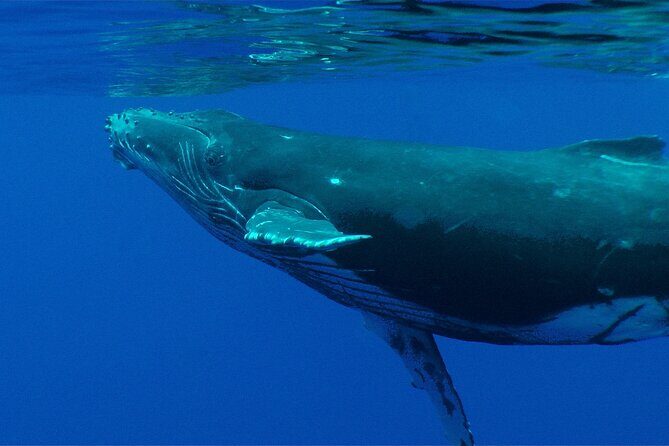
The tour starts at a meeting point in Taiʻarapu-Ouest (6M9R+3X). The activity ends back at the same meeting point, which keeps planning easier—you’re not stuck figuring out a complicated drop-off.
It’s also listed as near public transportation, so you may be able to avoid the cost and hassle of a dedicated transfer. That’s one of the practical reasons I like tours that return to the starting point: you control how your day continues.
Before you go, do yourself a favor: arrive with a little buffer so you’re ready for the briefing. When you’re early, you settle in, get fitted, and start the day focused instead of rushed.
Who This Whale Watching Tour Fits Best (and Who Should Rethink It)
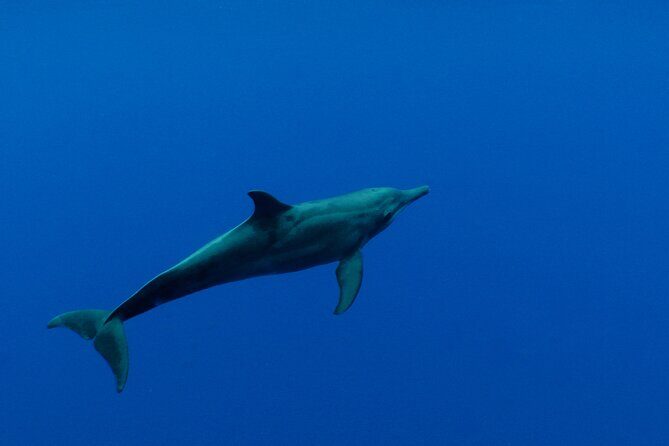
This experience is marked as suitable for most travelers, and that’s a good sign for comfort and general accessibility to the activity. You’re also given snorkeling equipment, so you don’t need to bring your own setup.
That said, it’s not a “guaranteed water time no matter what” situation. The plan includes entering the water only if conditions allow, so if you strongly want snorkeling for its own sake, be ready for a sea-dependent outcome.
I’d especially recommend this tour if you:
- Want whale watching with a calmer, less crowded feel
- Enjoy learning about animal behavior, not just spotting from a distance
- Like the idea of hearing whale song through a hydrophone
- Prefer a smaller group experience (max 12)
You might want to reconsider if you’re very sensitive to changing sea conditions or you know you can’t handle being out on the water for a few hours when weather shifts.
Should You Book Tātahi Tours for Whale Watching in Tahiti?
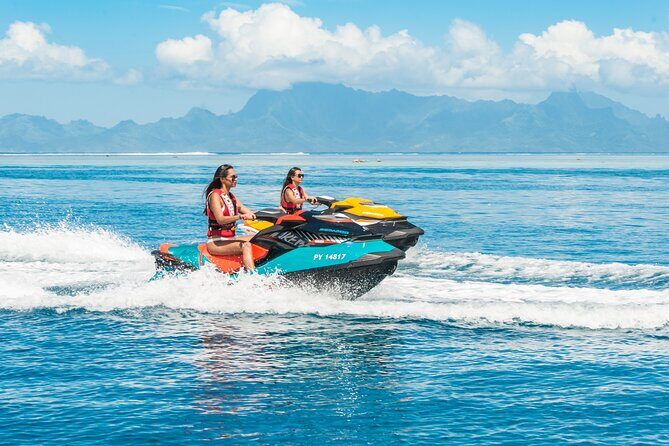
If you want whale watching that feels thoughtful—not chaotic—this is a strong choice. The combination of small group size, a real briefing, snorkeling gear, and the hydrophone makes the outing more complete than the usual deck-scan model.
Book it if you can align your day with solid weather and you’re okay with the sea deciding how much water time you get. If you’re flexible and you like authentic, less-encumbered areas like the peninsula and roadless Fenua Aihere, you’ll likely find this tour hits the right notes.
If you’re only interested in a quick, low-effort whale check, look for something shorter or simpler elsewhere. But if you want a guided, equipment-supported experience with a sound-based extra (that hydrophone), Tātahi Tours is exactly the kind of setup that rewards your attention.
FAQ
How long is the whale watching tour with Tātahi Tours?
The tour lasts about 4 hours.
What is the price per person?
The price is $193.13 per person.
Where does the tour start and end?
It starts at the meeting point in Taiʻarapu-Ouest (6M9R+3X) and ends back at the same meeting point.
Is hotel transfer included?
No, hotel transfer is not included.
Is snorkeling equipment included?
Yes. Snorkeling equipment is included.
Will food and drinks be provided?
Yes. You’ll have snacks and water, plus refreshments and fruits during the outing.
How many people are on the tour at most?
The tour has a maximum of 12 travelers.
When will I receive confirmation after booking?
You should receive confirmation within 48 hours of booking, subject to availability.
What happens if weather is poor?
This experience requires good weather. If it’s canceled due to poor weather, you’ll be offered a different date or a full refund.
Is this tour refundable if I cancel?
No. The experience is non-refundable and cannot be changed for any reason. If you cancel, the amount you paid will not be refunded.