REVIEW · TAHITI
Whale watching DE Humpback West Coast of Tahiti
Book on Viator →Operated by Polyn'Easy Dive and Tours · Bookable on Viator
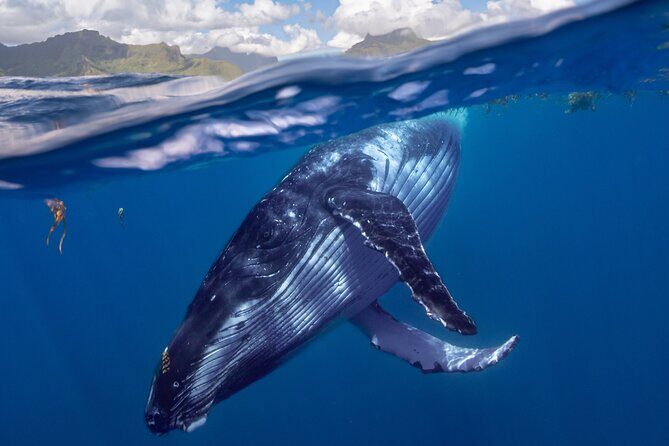
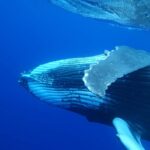
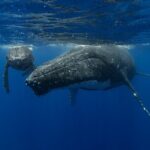
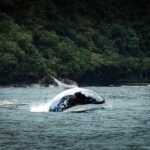
A whale swim, if the ocean says yes. This Tahiti morning tour turns small-group humpback watching into a guided, in-the-water experience when conditions cooperate. You’ll cruise out for a chance to meet migrating whales and learn how they live, right from the boat.
I really like that the crew runs it with calm professionalism. In the reviews, guides Jordan and Romuald (Romu) come up again and again for easygoing, confident service that makes the whole thing feel manageable, even when you’re excited.
One clear consideration: whale sightings and any in-water launch are not guaranteed. The plan is built around local rules and ocean conditions, so you’re booking the experience, not a promise of swimming with whales.
In This Review
- Key points before you go
- 7:30am start at 3 pontons Taapuna in Puna’auia
- A comfortable local boat and a small group feel
- How Tahiti humpback watching works (and why sightings aren’t promised)
- The optional whale launch: what it takes to swim
- Age rules for the in-water experience
- What you’ll learn while you search: species talk in plain terms
- Timing and how the 4-hour window usually feels
- Value check: what $167.34 buys you in real terms
- Who should book this tour—and who should think twice
- Weather, cancellation, and minimum traveler realities
- Should you book Whale Watching: Humpback West Coast of Tahiti?
- FAQ
- What time does the whale watching tour start, and how long is it?
- Where do I meet for the tour?
- Are humpback whale sightings guaranteed?
- Do I have to swim to participate?
- Can children join the in-water launch?
- What’s included in the price?
- Is pickup available?
Key points before you go
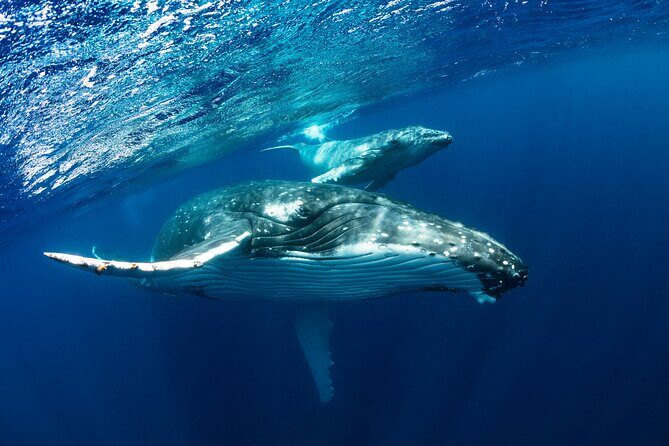
- 7:30am departure from 3 pontons Taapuna (Puna’auia) keeps the day moving and gives you a solid morning window for wildlife.
- Max 8 travelers means you’re not stuck in a loud crowd while the team searches and explains what’s happening.
- Seasonal window (late July/August to Nov, subject to approval) matters because the humpbacks are on schedule and the tour operates only when conditions allow.
- Optional in-water time has strict rules: you must swim 200 meters unaided, and the whale launch is limited to 6 swimmers plus 1 guide.
- Education is part of the trip, with the crew pointing out species behavior and what to look for as the whales move.
7:30am start at 3 pontons Taapuna in Puna’auia
This tour is a morning one. It starts at 7:30am at 3 pontons Taapuna, Puna’auia, and it ends back at the same meeting point. Plan for an easy, early start—this is the kind of outing where the timing helps you meet whales when they’re active and when the sea is more likely to cooperate.
Because there’s no pick-up listed, you’ll want to make your own way to the pontons. If you’re staying somewhere that’s a bit of a haul, give yourself extra buffer. Nothing kills a good wildlife morning like sprinting for the boat.
You can also read our reviews of more whale watching tours in Tahiti
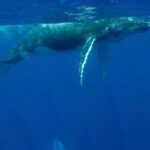
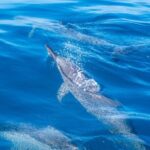
A comfortable local boat and a small group feel
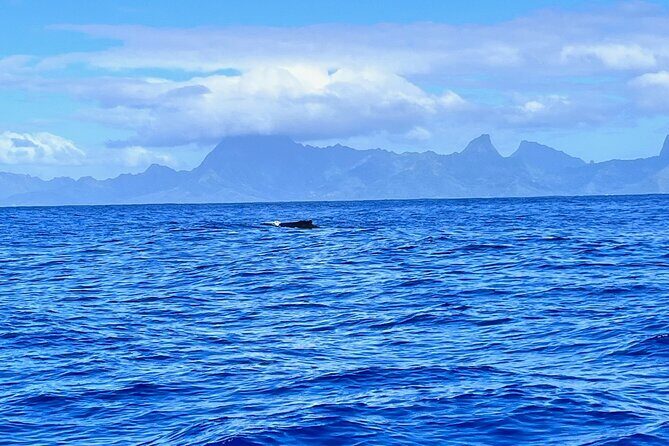
The big comfort factor here is the small max group size. With up to 8 travelers, you get that practical, low-chaos vibe: fewer people to wrangle, more attention from the guide and captain, and an easier time hearing explanations over the engine noise.
The boat itself is described as locally built and adapted for the experience. That matters because it’s designed for this kind of ocean work, with the gear and handling that go with it. You’ll have safety equipment onboard, and the crew takes care of the welcome and service.
You also get a nice “real life” touch: bottled water, coffee and/or tea, and snacks are included. For a 3–4 hour outing, that’s not a trivial add-on. It means you’re less focused on hunger or hydration and more able to watch for whales.
How Tahiti humpback watching works (and why sightings aren’t promised)
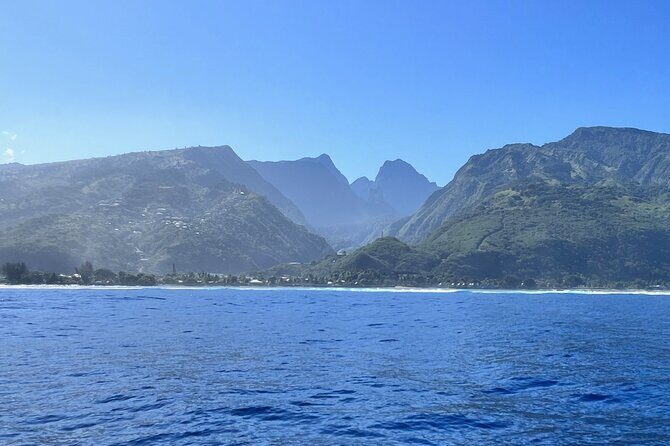
Humpback whales migrate between cold feeding grounds and warmer waters for breeding and calving. In the southern Pacific, they travel north-south on an annual schedule, and Tahiti is one of the places where you can see them as they regroup and move through the region.
The tour follows the allowed observation period and approach rules set by local station regulations in French Polynesia. The info you’re given is clear that there’s a season window—from late July/August through 20 November, subject to DIREN approval. That’s not just a date on paper. It’s the difference between an area that’s actively managed for whale encounters and one that isn’t.
Here’s the honest part you should plan around: observations aren’t guaranteed, and approaching whales follows station rules. In other words, you might spend time searching and watching for signs of whales, and you might not get the exact behavior you were hoping for. That’s normal for marine wildlife—and it’s also why local rules exist in the first place.
The optional whale launch: what it takes to swim
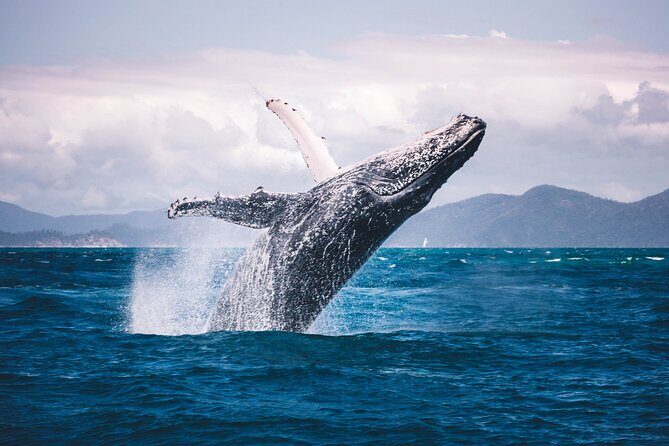
This is where the experience can jump from great to unforgettable.
If conditions are right, the crew may offer a launch so you can share a special moment with the whales. But it’s important that the launch is described as not mandatory and not systematic. That’s good news for animal welfare and your safety—and it also means you’re not promised the same thing every single trip.
The tour provides snorkeling equipment and includes safety support. But participation has clear requirements:
- You must know how to swim at least 200 meters without assistance.
- You need to feel comfortable in a natural ocean environment, even with the boat’s slide (yes, there’s a slide mentioned in the requirements).
- You must not panic in contact with large marine animals (the info cites whales roughly 1 to 30 tonnes).
- There’s also a capacity limit in the water: 6 swimmers plus 1 guide.
That last one is huge. It’s a practical, safety-first limit that also keeps the interaction controlled. With fewer swimmers, you’re more likely to stay calm, follow instructions, and actually enjoy the moment instead of feeling like you’re fighting for position.
Age rules for the in-water experience
This trip draws a hard line for kids and swimmers:
- Children under 12: no whale launch.
- Non-swimmer/observer adults: no whale launch.
- Ages 12–17: allowed for the launch only with parental authorization. If there’s doubt, the crew can decide that children ride as observers.
So if you’re traveling with kids, read these limits closely. You can still have a fantastic whale watching day from the boat, but the in-water part is regulated.





What you’ll learn while you search: species talk in plain terms
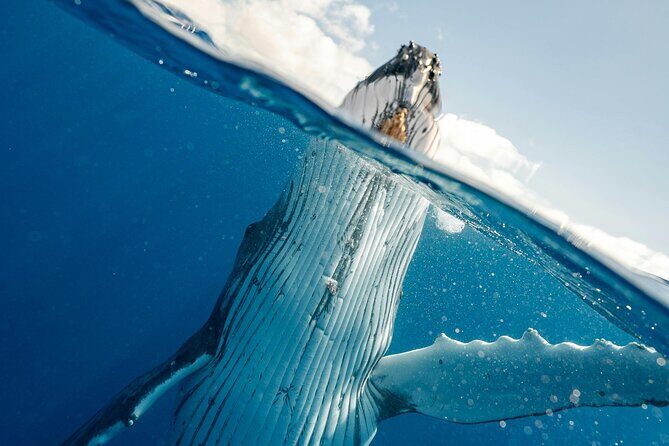
The experience is described as “natural marine mammal observation” with professional guidance. The crew gives explanations about the species you see and their way of life. In whale country, that isn’t just trivia. It changes how you watch.
Instead of just waiting for a splash, you learn what to look for—how whales surface, how their behavior shifts as they move, and what the crew expects based on the day’s conditions. When the whales do show up, you’ll be in a better mindset to notice patterns rather than only chasing the most dramatic moment.
The reviews highlight the human side of that learning too. Guides like Jordan and Romuald (Romu) are praised for being top-notch and for making the experience feel smooth and easy. That’s exactly what you want out on open water: clear communication, steady leadership, and no drama.
Timing and how the 4-hour window usually feels
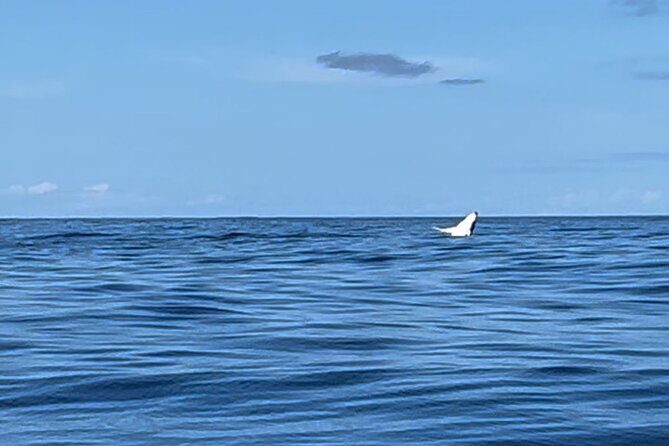
The stated duration is about 4 hours. In practice, the description notes an average visit length of roughly 3 to 4 hours. Expect the day to be paced around searching, observing, and—if offered—waiting for the right moment to follow approach rules.
The in-water swim, when it happens, is the wildcard. It depends on the whales’ behavior and the sea state. But even if you don’t get a launch, you still have a full morning of guided observation. The experience is built around that reality: you’re going out to watch and understand humpbacks, with the swim as a bonus if conditions allow.
Value check: what $167.34 buys you in real terms
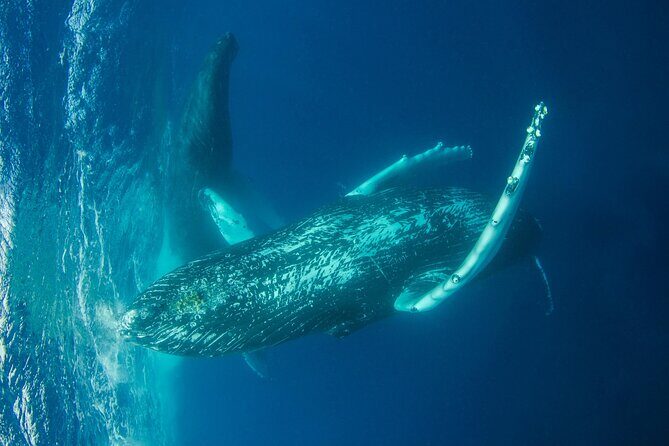
At $167.34 per person, you’re paying for several things that add up quickly in French Polynesia:
- A guided, small-group outing (max 8 travelers)
- Safety equipment included
- Snorkeling equipment included
- Snacks plus coffee and/or tea
- Bottled water
- A local boat setup designed for whale viewing and water work
You’re also paying for the planning effort behind the scenes: following station rules, keeping launches controlled, and having the right staff to manage safety. That’s why the price feels more reasonable when you look at what’s included rather than just the boat ride itself.
Also, whale tours can be expensive anywhere. What helps here is that you’re not just buying time on water—you’re buying a structured wildlife encounter with guidance and the option (for qualified swimmers) to do more.
Who should book this tour—and who should think twice
This tour is a good match if you want:
- A guided whale watching experience with real attention from the crew
- A morning activity with included snacks and gear
- The possibility of in-water time, but you’re okay with it being conditional
You’ll want to think twice if:
- You’re not able to swim 200 meters unaided
- You’re traveling with a child under 12 who wants to do the launch
- You dislike being in the ocean environment even briefly, since comfort requirements apply
- You want a guarantee of swimming with whales. That’s not how this works.
Fitness level is described as moderate physical fitness. That doesn’t mean it’s a hike. It means you should be able to handle the boat, the water setup, and the instructions without stress.
If you have a disability or reduced mobility, the info says you should tell the provider in advance so they can adapt your welcome in the best conditions. That’s worth doing early, because whale tours run on tight safety rules.
Weather, cancellation, and minimum traveler realities
This experience depends on sea conditions. It states it requires good weather, and if it’s canceled for poor weather, you’ll get offered a different date or a full refund. There’s also a minimum number of travelers requirement, so if that minimum isn’t met, you’ll get a change of date/experience or a full refund.
Good news for planning: free cancellation is offered up to 24 hours before the start time. If you cancel closer than that, you won’t get the refund. Keep an eye on weather and don’t leave your decision to the last minute.
Should you book Whale Watching: Humpback West Coast of Tahiti?
Book it if you want a real, guided humpback experience with a small-group feel and the chance—not a promise—to swim with whales. I like that the rules are strict and spelled out. That’s a sign the operator is serious about safety and about doing this responsibly.
Skip or reconsider if your top priority is an guaranteed whale launch, or if you don’t meet the swim/comfort requirements. Also, if you’re traveling with kids, double-check the age and authorization limits so your expectations match what the crew can offer.
If you’re flexible and you understand that whales set the pace, this is the kind of morning that can turn into a story you’ll keep telling.
FAQ
What time does the whale watching tour start, and how long is it?
It starts at 7:30am and lasts about 4 hours (approximately). The experience is described as averaging around 3 to 4 hours.
Where do I meet for the tour?
The meeting point is 3 pontons Taapuna, Puna’auia, French Polynesia. The tour ends back at the meeting point.
Are humpback whale sightings guaranteed?
No. Observations are not guaranteed. Approaching whales and possible launches depend on conditions and local rules.
Do I have to swim to participate?
You need to be able to swim at least 200 meters without assistance in order to participate in the whale launch. If you’re a non-swimmer/observer, you can’t be launched with whales.
Can children join the in-water launch?
Children under 12 cannot join the whale launch. Ages 12–17 can join only with parental authorization; otherwise, children may participate as observers.
What’s included in the price?
Included items are the guide, safety equipment, bottled water, coffee and/or tea, snacks, and snorkeling equipment.
Is pickup available?
Pick-up is not listed as included. It says pick-up may be possible on request.