REVIEW · MOOREA
Half day whale tour 4h00
Book on Viator →Operated by Moorea Activities Center · Bookable on Viator
A whale tour in Moorea is only fun if the day feels alive. This half-day trip is built around the humpback migration (July to November) and uses high-tech whale-finding gear to hunt them faster. I like that it’s small-group friendly and that you’re not just watching from far away.
What makes it work for me is the mix of chances: whales from the boat, and when the ocean cooperates, snorkeling in open water with the crew guiding you. You also get snorkeling gear loaned out and drinks included during the tour, which keeps things simple when you’re on a tight schedule.
One real consideration: even though the boat holds up to 12 people, there’s a rule that only 6 people can enter the water at a time, so not everyone gets the same swim opportunity. If you’re a slower swimmer or you’re hoping for calm, easy conditions, manage expectations and be honest with yourself before booking.
In This Review
- Key things to know before you go
- Moorea humpback whales: timing and what you’re really signing up for
- Price and value: why about $191.91 can make sense
- Meeting at Moorea Activities Center (Opunohu) and how the start feels
- Opunohu Bay walk: a short stop that sets the tone
- Whale search and the hunt from the boat: listening tech meets real rules
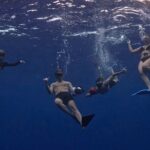
- Snorkeling with humpbacks: what you need to be ready for
- The physical side
- Life vests: offered, not always required
- The big operational factor: 6 people in the water at once
- Weather reality: when the tour changes and why it matters
- After whales: lagoon time for sharks and rays
- Small-group attention: why guides make or break the day
- Who should book this whale-and-snorkel tour in Moorea
- Should you book? My take
- FAQ
- How long is the Moorea half-day whale tour?
- What’s included in the tour price?
- Is pickup available?
- How many people are on the boat?
- When can you see humpback whales on this tour?
- Can you swim with the whales?
- What happens if the weather is poor?
Key things to know before you go
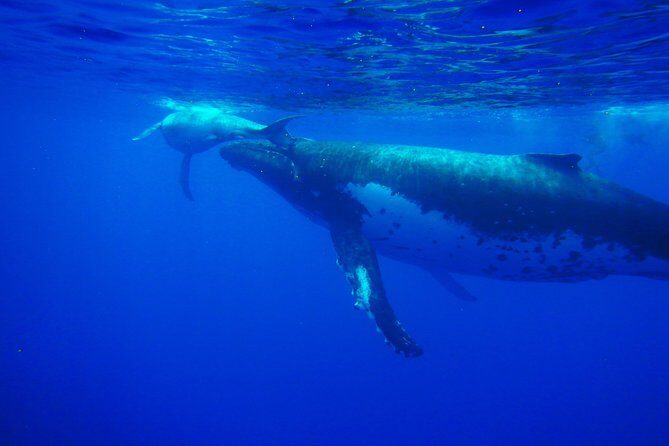
- Max 12 people on board for a more personal feel
- Whale-finding tech helps the crew locate humpbacks sooner
- Snorkeling gear provided (masks, snorkels, fins)
- Drinks included, but there’s no lunch
- Only 6 in the water at once, so plan for a chance-based swim
Moorea humpback whales: timing and what you’re really signing up for
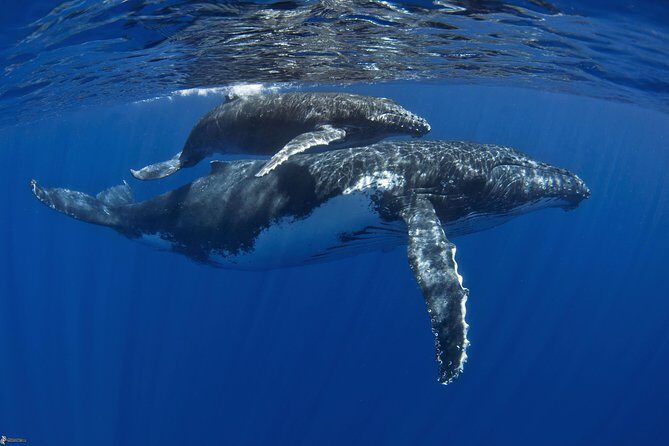
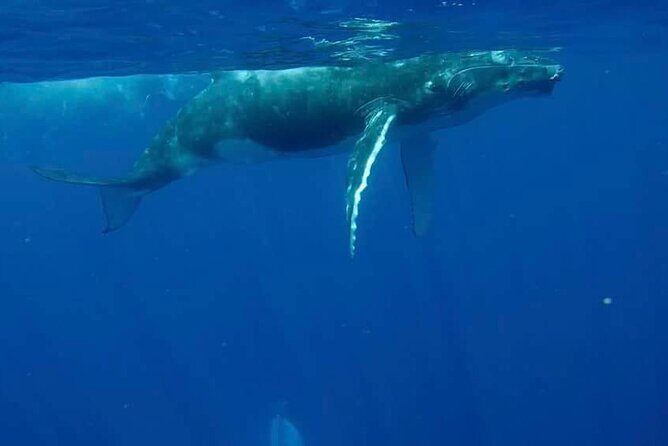
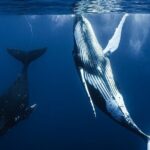
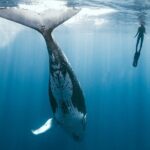
Moorea is a classic place to catch humpbacks in motion. The window that matters is July through November, when there’s a possibility of seeing adults plus young—sometimes even a moment that looks like a mother-and-calf encounter.
Here’s what I want you to understand up front: whale watching is nature, not a theme park. The best days happen when whales come close to where the crew is searching and when the water conditions allow safe entry. The tour team uses modern equipment to help them listen and find whales, but you still need the ocean to cooperate.
That’s also why you’ll see both “we swam” and “we didn’t swim” outcomes in real-world accounts of this experience. On the days it clicks, it’s unforgettable. On the days it doesn’t, you’re still out on the water with a strong chance of seeing whales from the boat.
You can also read our reviews of more whale watching tours in Moorea
Price and value: why about $191.91 can make sense
At roughly $191.91 per person for about 4 hours, this is not the cheapest snorkeling outing in French Polynesia. The value comes from two things that drive up costs and effort:
- You’re paying for whale-specific expertise and dedicated search time. The crew is actively locating whales, not just cruising.
- You’re paying for the full “day format” experience: gear provided, drinks included, and the small-group setup (max 12).
Where you should be careful is the swim equation. Because of the water-at-once restriction (only 6 people in the water at a time), you may feel like you’re paying full price for a “maybe.” The operator’s position is that keeping boat prices more reasonable means not everyone swims during every insertion. If swimming is your top priority, this tour can still be worth it, but you should mentally prep for the possibility you’re in the second group.
Meeting at Moorea Activities Center (Opunohu) and how the start feels
The trip starts at Moorea Activities Center – Opunohu (Moorea-Maiao, French Polynesia) and ends back at the same meeting point. If pickup is offered for your booking, use that to save energy; you’ll want your legs and lungs feeling good when it’s time to move.
Right before you go out, you’ll usually be thinking in two tracks:
1) the physical readiness side (you’re swimming in open water if you get the chance)
2) the ocean conditions side (wind, swell, and visibility matter a lot)
That’s where a simple mindset helps: show up ready for the sport part, even if you’re mostly chasing whales.
Opunohu Bay walk: a short stop that sets the tone
One scheduled stop is Ōpūnohu Bay, with a walk in the bay area. This isn’t the main event, but it helps break up the experience so it doesn’t feel like you’re just getting driven straight to open ocean.
Why it matters:
- It’s a chance to settle in and get your bearings before the boat work starts.
- It can make the first part feel less rushed, especially on a short, half-day schedule.
The practical drawback: it won’t replace a full meal or rest time. If you’re prone to motion sickness, this is also when you should have your plan ready (meds, hydration, and where you’ll sit on the boat).
Whale search and the hunt from the boat: listening tech meets real rules
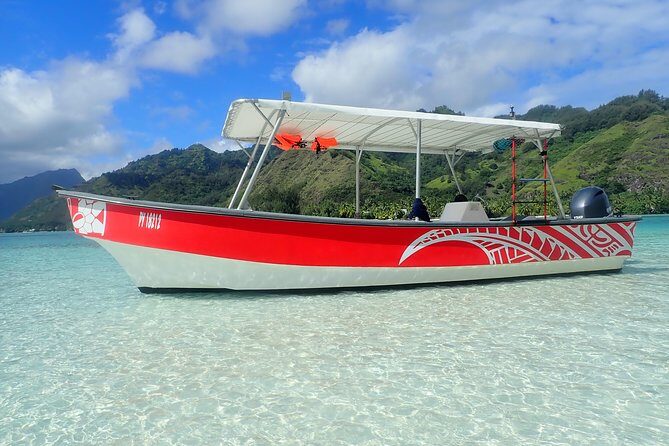
Once you head out, the crew’s job is to find whales efficiently. This is where the tour leans into modern methods. They use high-tech equipment that helps them listen for whales, so you’re more likely to get onto the water while whales are nearby.
Important expectation management: there are also rules about how close boats can approach. One key guideline is that the boat is not allowed within 100 meters of a whale. That means you may not get that movie-style “right under the hull” moment, even on a great day.
So what should you look for instead?
- A strong chance to hear whale activity during the encounter if conditions allow
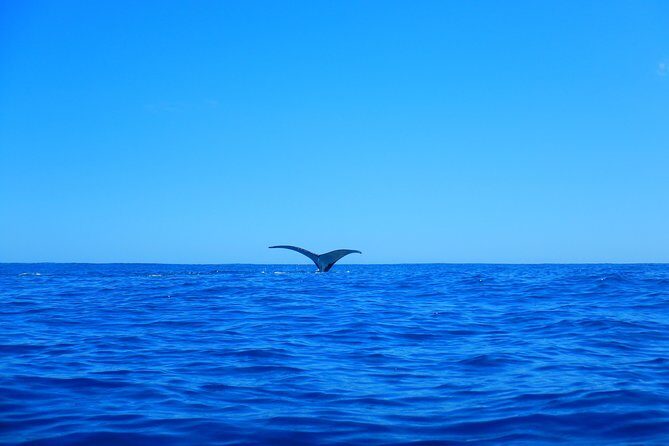
- Direct whale viewing from the boat, often repeatedly as the animals move through the area
- Clear guidance from the captain and guide on where to position yourself before any swim attempt
On multiple accounts, captains and guides such as Mahai, and guides like Kevin (plus other crew members named Michele or Mahi in different experiences) are praised for getting groups close while staying respectful and rule-bound.



Snorkeling with humpbacks: what you need to be ready for
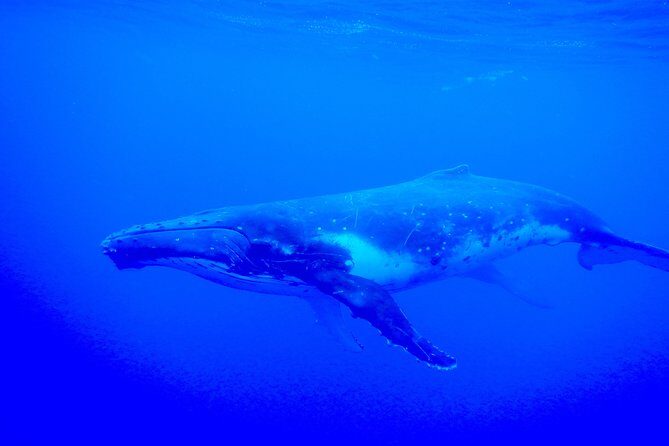
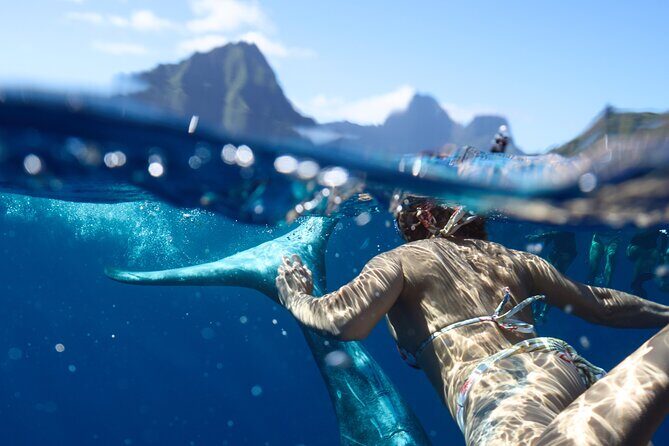
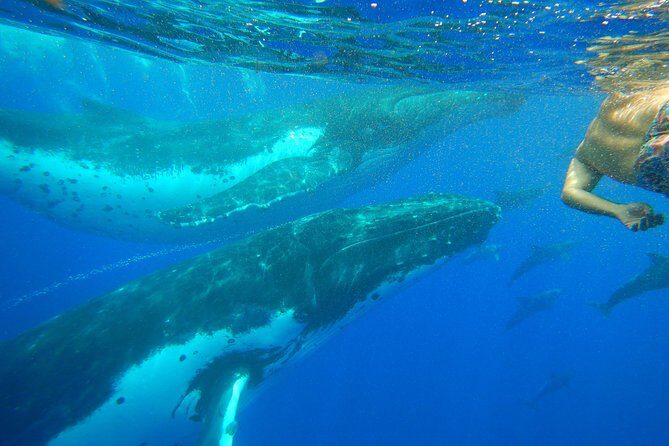
If you’re hoping to swim with humpback whales, here’s the plain truth: this is not a casual “stand in the water and bob” snorkeling trip. You’re swimming in open ocean, and you may be asked to cover a meaningful distance to reach the whales.
Some people love it precisely because it feels more like being part of the ocean system. Others step back if the day is too rough or the effort is beyond what they planned.
The physical side
You should have moderate physical fitness and be comfortable swimming. Several experiences highlight that it helps if you’re confident in the water, and that the swim can feel like a long push even for strong swimmers.
A frequent mention is the need to be able to swim roughly the length of a football field (as a check for comfort and quickness), and there can also be a need to swim outward in open water before entry conditions are right for whales.
Life vests: offered, not always required
Life vests are offered. They are not described as automatic for everyone, because the operator points out it can be tricky to swim with a life jacket and still reach whales in time, especially since visibility and movement matter.
That means you should decide based on your own swim strength and comfort, not on pride. If you think you’ll tense up when waves pick up, take the vest when offered. One negative experience argues life jackets should be mandatory in rough conditions—so my takeaway is simple: if the ocean looks bouncy to you, don’t skip safety gear just because you can swim on calm days.
The big operational factor: 6 people in the water at once
This is the controversy point that you should understand before you book. Even with up to 12 people on board, only 6 can enter the water at a time due to government restriction. That means:
- there may be two swim groups
- the second group can miss out if the whales move away before you’re up
On some outings, people get multiple swim opportunities. On others, only one group goes in, and that can feel unfair—especially when everyone paid the same price. The operator argues keeping capacity limits and pricing reasonable means acceptance that swims aren’t guaranteed.
If swimming is your top goal, aim for a “chance-based win,” not a guaranteed win.
Weather reality: when the tour changes and why it matters
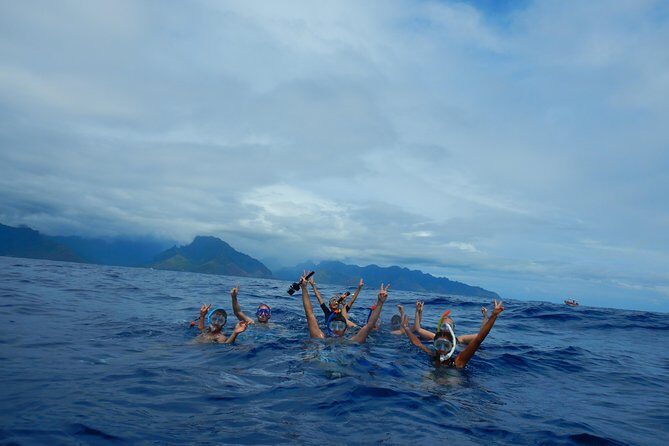
Moorea weather can turn fast. Wind, rain, and swell aren’t rare, and they can affect both safety and how close whales come to a good entry zone.
The operator’s stance is that they don’t launch when conditions would be unsafe. But they also don’t automatically cancel every windy day because whales can still be present and sometimes conditions improve in the right area.
So your best move is to prepare like this might be an active sea day:
- If you get seasick, bring meds and plan for it.
- Dress for sun and spray, not just warmth.
- Expect that the “swim with whales” part is conditional.
After whales: lagoon time for sharks and rays
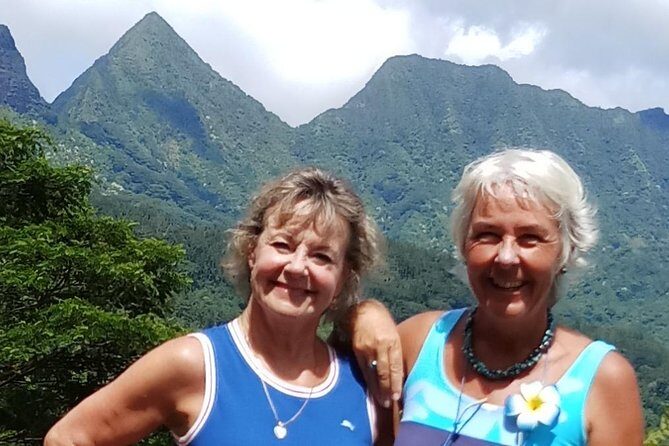
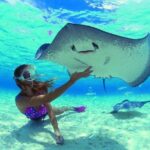
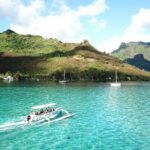
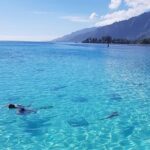
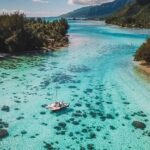
One reason people keep recommending this tour is that it can still deliver a second type of ocean encounter after the whale portion. In several experiences, there’s time for lagoon snorkeling at the end, with sightings like reef sharks and stingrays (and sometimes other sea life).
This matters for value: even if humpback swimming doesn’t work out, you may still get strong snorkeling time afterward, and the lagoon experience can shift the day from “whale or nothing” to “great ocean outing either way.”
Small-group attention: why guides make or break the day
This tour stands or falls on guidance in the water. When it goes well, it feels organized: clear briefings, calm leadership, and a crew that watches the group instead of rushing everyone.
You’ll see repeated praise for captain-style leadership such as Mahai, and guide support from people named Kevin and Michele. The best days are described as respectful toward whales and structured around safety—like making sure everyone checks in quickly before entry.
On rougher days (or for less confident swimmers), organization becomes even more important. If you struggle with long swims or you freeze when you feel tired, ask questions during the briefing. The tour format is short, so clarity early is a big deal.
Who should book this whale-and-snorkel tour in Moorea
This experience makes the most sense if you:
- want humpback whale watching during July–November
- can swim confidently in open water
- like the idea of a small group (max 12) with a crew actively hunting whales
- are okay with a conditional swim, not a guaranteed swim
It may be the wrong fit if you:
- need a relaxed, low-effort snorkeling experience
- are easily overwhelmed by rougher ocean conditions
- are expecting everyone in the group to get the exact same time in the water
And if you want a more forgiving option for lower stamina, you can look for lagoon-focused tours instead. The operator even points out that private tours exist if you want to reduce the group-and-sequence effect.
Should you book? My take
Book this tour if whales are your priority and you’re honest about your swim ability. The value is strongest when conditions line up and the crew can run a clean sequence—people often describe it as a once-in-a-lifetime experience, especially when swimming happens.
Skip it (or choose a different format) if swimming with whales is an all-or-nothing demand for you. The operational reality is that only 6 people can be in the water at a time, so second-group participants can lose the swim window when whales move.
If you do book, go in with the right mindset: be ready for open-ocean effort, take safety gear when offered, and treat the whale swim as a hopeful bonus. When it works, it feels like Moorea’s ocean sharing its best secrets with you—up close and respectfully.
FAQ
How long is the Moorea half-day whale tour?
It runs for about 4 hours.
What’s included in the tour price?
You get loaned masks, snorkels, and fins, plus drinks during the tour. Lunch is not included.
Is pickup available?
Pickup is offered (if it’s available for your booking).
How many people are on the boat?
The maximum group size is 12 travelers.
When can you see humpback whales on this tour?
There’s a possibility of seeing humpback whales on migration through Moorea between July and November.
Can you swim with the whales?
Sometimes, depending on conditions. Also, only 6 people can be in the water at a time due to government restriction.
What happens if the weather is poor?
This experience requires good weather. If it’s canceled due to poor weather, you’ll be offered a different date or a full refund.