REVIEW · TAHITI
4 Hours of Humpback Whale Watching in Tahiti
Book on Viator →Operated by Tahiti Ocean Explorer · Bookable on Viator
Whale songs in Tahiti are hard to forget. This 4-hour humpback whale watching trip in Puna’auia mixes small-group searching with naturalist guidance, plus a hydrophone so you can listen for whale song while you scan the sea. I like that the team explains what you’re seeing and why approach rules matter, not just how to spot a spout.
Two things I really appreciate: first, the guides lead the whole process with welfare front and center, including when you’ll stay on the boat versus when you might get in the water. Second, the boat setup feels built for comfort and focus, so you’re not scrambling just to keep your bearings. The main drawback to plan for is that the best moments—especially in-water snorkeling—depend on whale behavior and sea conditions, so you should go in with flexible expectations.
In This Review
- Key Highlights You’ll Care About
- Four Hours on the Water From Puna’auia: How the Trip Really Flows
- Your Naturalist Team and the Respect Rules (Not Just a Tour Script)
- Finding Whales: Boat Scans First, Then Possible In-Water Time
- Hydrophone Whale Song: The Little Tech That Changes Everything
- Snorkeling Option: What to Know Before You Say Yes
- Price and Value: Is $127.54 Worth It?
- Timing, Weather, and Why Your Day Needs Flex
- Who This Tahiti Whale Watching Tour Fits Best
- Quick Practical Tips Before You Go
- Should You Book This 4 Hours of Humpback Whale Watching in Tahiti?
- FAQ
- How long is the Tahiti humpback whale watching tour?
- How many people are on the boat?
- Is a mobile ticket included?
- Do I need snorkeling experience?
- Can I swim or snorkel with the whales?
- Is whale spotting guaranteed?
- What marine animals might I see besides humpback whales?
- Where does the tour start?
- Can children join the tour?
- What happens if the weather is bad or I need to cancel?
Key Highlights You’ll Care About
- Small group (max 12) on a spacious boat, which makes spotting and listening feel less chaotic
- Naturalist-led briefing before you go out, with emphasis on respectful approach rules
- Hydrophone whale song so you get an audio layer, not only visuals
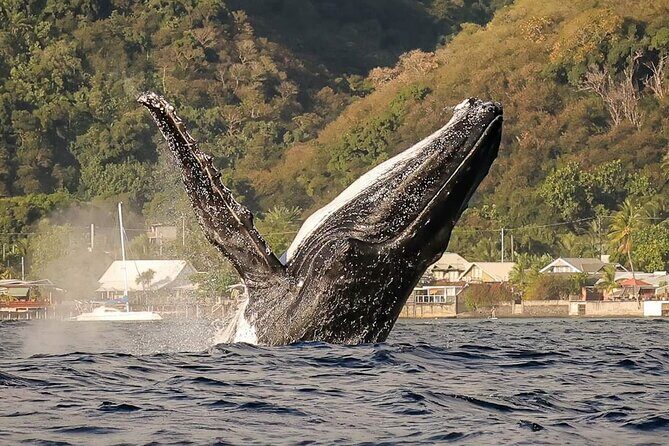
- Boat watching first, then possible in-water observing only if behavior and conditions allow
- Snorkeling option needs experience, and the guide is the one who calls the final decision
Four Hours on the Water From Puna’auia: How the Trip Really Flows
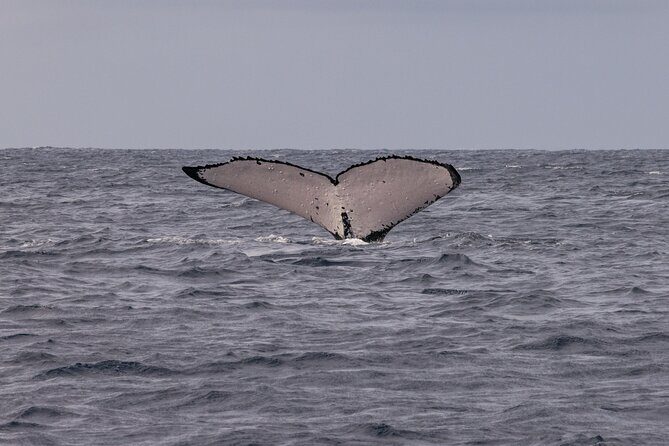
This is a straightforward half-day outing: you meet in Puna’auia (the meeting point is listed at C97M+HW Puna’auia) and then you head out for about 4 hours total on the water. The pacing is important here. You’re not doing a quick drive-by. You’re going far enough out to search properly, then you’re staying long enough to give the whales a chance to show themselves on their own schedule.
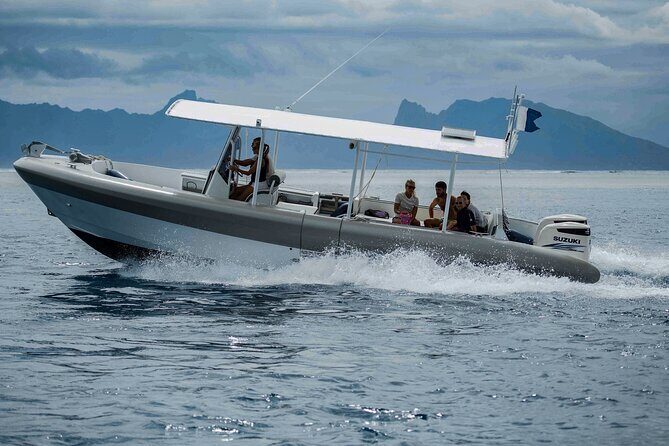
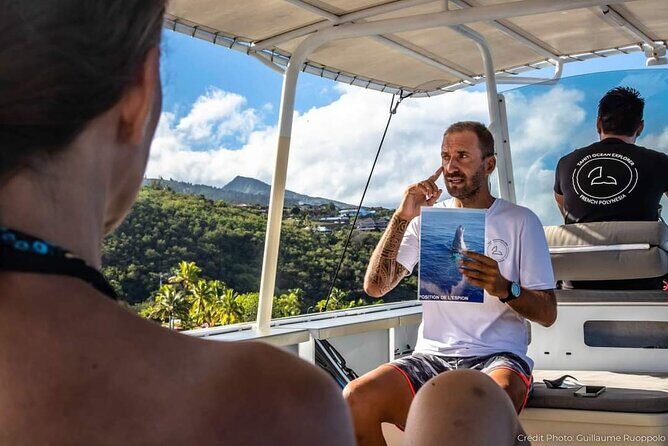
The tour is designed around one simple idea: good whale watching is mostly about patience plus smart decision-making. That’s why you start with a briefing and why your guide keeps control of what happens next. The small group size (up to 12 people) helps a lot. There’s less jostling for the best viewing angle, and you can actually hear instructions.
You’ll also want to know you’re not stuck with one kind of “success.” This is not only about a single look at a whale. It’s about watching behavior from the boat, and if conditions allow, getting the chance to observe in the water while snorkeling. That “maybe” is real, but it’s also what keeps the experience from feeling like a factory tour.
You can also read our reviews of more whale watching tours in Tahiti

Your Naturalist Team and the Respect Rules (Not Just a Tour Script)
What makes this outing feel legitimate is the way the naturalist guides run it. They don’t just point you at wildlife and hope for the best. They share information about the whales and their environment, and they put animal welfare and approach rules first. That matters, because whale watching is one of those activities where the vibe can go from respectful to hectic really fast.
On this trip, your guide is the only one empowered to decide what the group does next based on two things:
- whale behavior
- sea conditions
So if the guide says “stay on the boat” for now, it’s not a cost-saving move. It’s a call grounded in animal welfare and safety. This is also why launches into the water aren’t guaranteed or systematic. You’re riding with someone trained to watch the situation and adapt.
The human element also shows up in the names that keep appearing in feedback. People highlight friendly, supportive guides such as Luo and Julien, and they also mention team members like Lulu and Bastien for keeping things organized and educational. I treat those details like signals: you’re likely to get more than a basic narration. You should expect help with how to interpret what you’re seeing and how to take better photos without rushing the moment.
Finding Whales: Boat Scans First, Then Possible In-Water Time
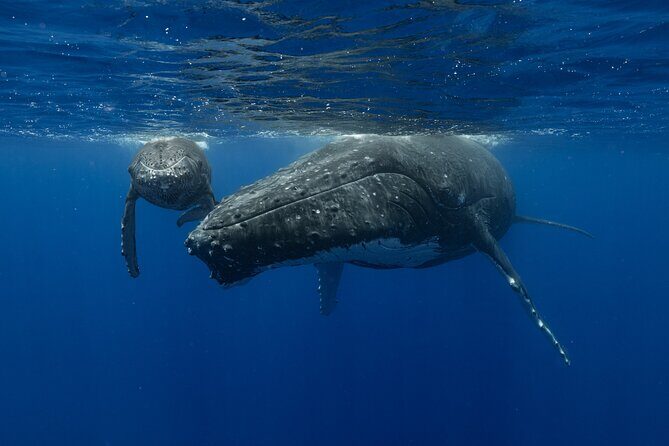
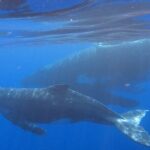
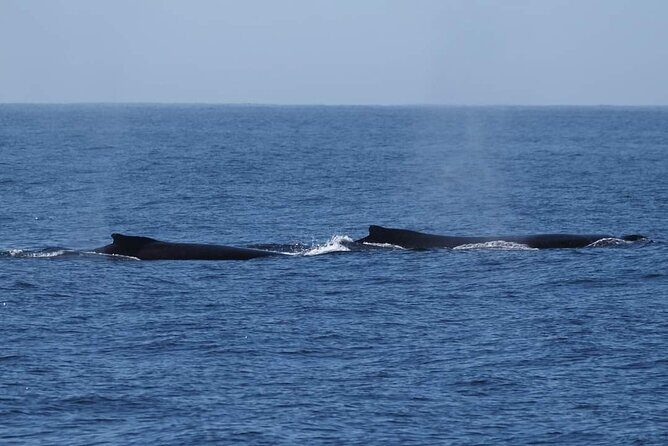
Here’s the rhythm you can expect. You’ll search for humpback whales after a full briefing. At first, animal watching happens from the boat. This is where you’ll do most of your spotting, and it’s the safest, simplest way to observe behavior.
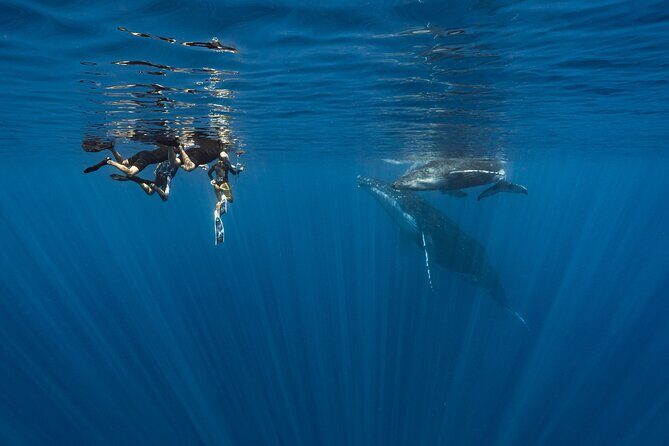
If things line up—meaning the whales’ behavior and the sea state allow—you may be able to observe them in the water while snorkeling. The listing is clear that this is optional and depends on real-time conditions. It’s not a promise, and it’s not automatic.
Also, don’t assume the tour is only about whales. During the ocean time, you might see other marine life too, including dolphins and other cetaceans, as well as sea turtles. In plain terms: even on a day when whales are tricky, you’re still out there in the right habitat to find other interesting sightings.
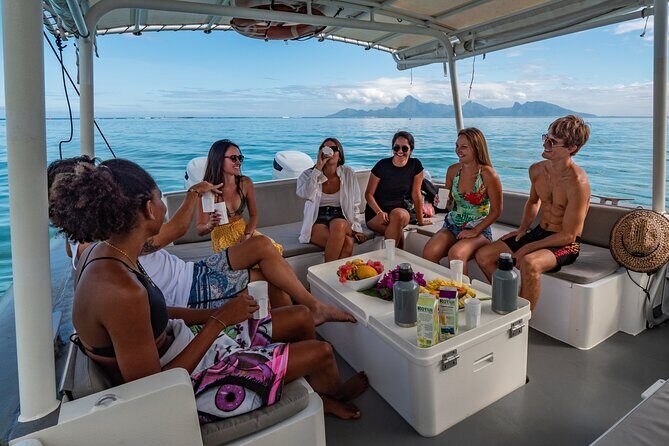
One practical note: you’re on a spacious boat, and that matters because you’ll likely spend time looking out, listening, and repositioning. Comfort reduces fatigue. Less fatigue means better attention, and better attention is how you catch the “small cues” that often lead to real sightings.
Hydrophone Whale Song: The Little Tech That Changes Everything
A hydrophone is a small feature that can make a huge difference, and it’s included here. You can listen to melodious whale song while you’re out on the water. Even if you’re focused on spotting visually, the audio gives you a second channel to connect with what’s happening.
This is especially helpful because humpback whale watching isn’t always about getting instant sightings. Sometimes you’ll hear activity before you see anything clear. Other times you’ll see behavior that you can better interpret once you’re aware of what whale song sounds like in the moment.
It also helps with the “photo only” mindset. If you’re the kind of person who watches everything through a lens, the hydrophone pulls you back into real-time listening. That’s when the whole experience starts to feel less like a checklist and more like a live encounter with the ocean.
Snorkeling Option: What to Know Before You Say Yes
The snorkeling option is tied to one strict requirement: snorking experience is mandatory. That doesn’t mean you need to be a competition swimmer. It means you should be comfortable snorkeling in open water conditions where you may need to keep your composure and manage your breathing.
And even if you’re a confident swimmer, the decision to go in is still up to the guide. The tour description is direct that observation and launches are not guaranteed or systematic. The guide chooses based on whale behavior and the sea state.
There’s also a safety reality to acknowledge. In one set of feedback, the group wasn’t able to enter the water because sharks were circling near the boat, and safety took priority. That’s a key takeaway for you: the tour can be “whale first,” but it’s not “whale no matter what.” If conditions aren’t right for safe snorkeling, you’ll stay on the boat and focus on observation from there.
So how should you plan?
- If you want snorkeling with whales, show up ready and confident in open-water snorkeling.
- If you’re not a strong snorkeler, treat this as a boat-watching experience with the possibility of additional water time.
- Either way, bring patience. Your guide’s job is to make the calls, not you.





Price and Value: Is $127.54 Worth It?
At $127.54 per person for about four hours, this is not a bargain-basement activity. But it also isn’t priced like an all-inclusive “you get everything guaranteed” show. The value is in three things you’re paying for:
First, you’re paying for a naturalist-led approach. That includes the briefing, whale behavior analysis, and the welfare-minded rules around approach. That’s harder work than a generic “spot whales if you can” outing.
Second, you’re paying for a smaller group experience with a maximum of 12 travelers. In whale watching, crowding can ruin the moment. Smaller groups generally mean less noise, better spacing, and better odds of following safety guidance quickly.
Third, you’re paying for the added layer of the hydrophone and the possibility of in-water observing (only if conditions allow). You don’t get that on every whale tour.
And here’s the balancing truth: whale sightings can’t be forced. One low-score experience mentioned whales were only seen after another company helped point them out, and another low-score note described not getting in due to safety concerns. Those aren’t “marketing promises” issues so much as nature and ocean conditions issues, plus the guide’s responsibility to keep everyone safe. If you go in expecting guaranteed water time, you’re setting yourself up for disappointment.
On the upside, the overall pattern of ratings is strong: 92% recommend and the average is 4.8 across 36 reviews. That usually means most people are leaving feeling they got real value—especially from the guide explanations and the actual time spent searching.
Timing, Weather, and Why Your Day Needs Flex
This tour depends on good weather. If the activity is canceled due to poor weather, you’ll be offered a different date or a full refund. There’s also a minimum number of travelers requirement, meaning some dates can shift if the headcount isn’t met.
What that means for you: treat this as a plan for a half-day in Tahiti that can flex. If your schedule is packed with no wiggle room, consider booking a second option on another day. It’s not because the company is unreliable. It’s because the ocean doesn’t care about your calendar.
Also, you’ll be traveling with a moderate physical fitness level requirement. That’s likely about boarding, time on the water, and snorkeling readiness if you choose that option. If you have any mobility limits, it’s worth thinking about whether you can comfortably handle open-water conditions, even if the ride is on a spacious boat.
Who This Tahiti Whale Watching Tour Fits Best
This is a great match if you want a respectful, guided experience rather than a loud “anything goes” adventure.
You’ll probably love it if you:
- enjoy guided wildlife watching with real rules and safety awareness
- want the chance of in-water snorkeling, but understand it’s conditional
- like small groups (max 12) and clearer instruction
- care about marine life beyond just whales, since dolphins and sea turtles are possible
- appreciate tech that helps you connect, like the hydrophone whale song
It may not fit you as well if:
- you need guaranteed in-water time with whales
- you’re not comfortable snorkeling and don’t want to follow the snorkeling experience requirement
- you’re booking with zero flexibility and can’t handle weather-based changes
Kids are welcome too, with a child rate for those under 10. But for children under 10, the listing says observation is only by boat.
Quick Practical Tips Before You Go
Here are a few things I’d do to make your 4 hours go smoothly:
- Plan to dress for open-water sun and sea spray. It’s Tahiti, so you’ll likely feel warm fast.
- If you choose snorkeling, be honest about your comfort level. The tour requires snorkeling experience, and the guide will choose safety first.
- Bring your attention, not just your phone. The hydrophone whale song can be a game-changer for noticing activity even when visibility isn’t perfect.
- Expect some waiting. Whale watching is rarely a one-minute miracle. It’s a couple of hours of “search and listen,” then a moment that makes it worth it.
Should You Book This 4 Hours of Humpback Whale Watching in Tahiti?
If you want a well-run whale watching outing with naturalists, a small group, and the added hydrophone whale song, I think this is a solid booking choice. The biggest reason is the guide-led welfare and decision-making approach: you’re not just buying a ticket, you’re buying a trained process.
Book it if you can handle the reality that in-water snorkeling isn’t guaranteed and that ocean conditions rule the day. Also book it if you value good explanations and a calm, respectful vibe.
Skip or reconsider if your goal is guaranteed snorkeling with whales no matter what, or if you’re not comfortable meeting the snorkeling experience requirement. In that case, plan on boat viewing only and keep your expectations aligned.
FAQ
How long is the Tahiti humpback whale watching tour?
The tour lasts about 4 hours.
How many people are on the boat?
The maximum group size is 12 travelers.
Is a mobile ticket included?
Yes, the tour includes a mobile ticket.
Do I need snorkeling experience?
If you select the option to observe whales in the water, snorkeling experience is mandatory.
Can I swim or snorkel with the whales?
It’s possible only if whale behavior and sea conditions allow. Observation and launches are not guaranteed.
Is whale spotting guaranteed?
No. Observation isn’t guaranteed or systematic, and the guide makes the decision based on sea conditions and whale behavior.
What marine animals might I see besides humpback whales?
You might also see dolphins or other cetaceans, and sea turtles.
Where does the tour start?
It starts at C97M+HW Puna’auia, French Polynesia, and ends back at the meeting point.
Can children join the tour?
Yes. The child rate applies to children under 10, and observation is only by boat.
What happens if the weather is bad or I need to cancel?
The experience requires good weather. If canceled due to poor weather, you’ll be offered a different date or a full refund. You can cancel for a full refund up to 24 hours in advance.