REVIEW · TAHITI
4×4 Safari HEREAKIMANU Tour in the Heart of Tahiti
Book on Viator →Operated by 4X4 SAFARI HEREAKIMANU TAHITI · Bookable on Viator
Rough roads. Big views. Real Tahiti in the middle of the island. This 8-hour 4×4 Safari Hereakimanu takes you from the black-sand coast into the wild Papenoo Valley and over the east-west route where the scenery changes fast. You’ll also get cultural stops, plus guides who add context while you ride.
What I love most is the hands-on sense of place. You’re not just looking at Tahiti from a viewpoint; you’re moving through the interior—photo stops, valley drives, villages, and dramatic crossings that you can’t replicate on your own.
The main drawback to plan around: it is a bumpy, physically demanding ride. If you get motion sick, have back issues, or need a very gentle day, this is probably not for you.
In This Review
- Key things to know before you go
- Papeno’o to Papenoo: why the interior beats the beach day
- What the 4×4 ride feels like: potholes, open air, and motion
- Stop-by-stop: black-sand coast, Fare Hape village, and the Vaihiria tunnel view
- Papeno’o: black-sand beaches and early photo time
- Papenoo Valley: hours of interior scenery and plant spotting
- Caldera area and Fare Hape village: history and everyday traditions
- The tunnel crossing and Vaihiria: east meets west at altitude
- Guides like Leonie, Manua, Tere, and Temaeva: the culture layer you’ll actually remember
- Waterfalls, camp moments, and those extra stops you should plan around
- Price and value: $143.27 for 4×4 access and real-time guidance
- What to pack and how to survive a long bumpy day
- Who this safari fits best (and who should skip it)
- Should you book 4×4 Safari Hereakimanu?
- FAQ
- What time does the tour start?
- How long is the safari?
- Is pickup offered?
- What’s included in the tour?
- What about lunch—do I need to bring it?
- Is luggage supported?
- Is this tour affected by weather?
- How many people are in the group?
Key things to know before you go
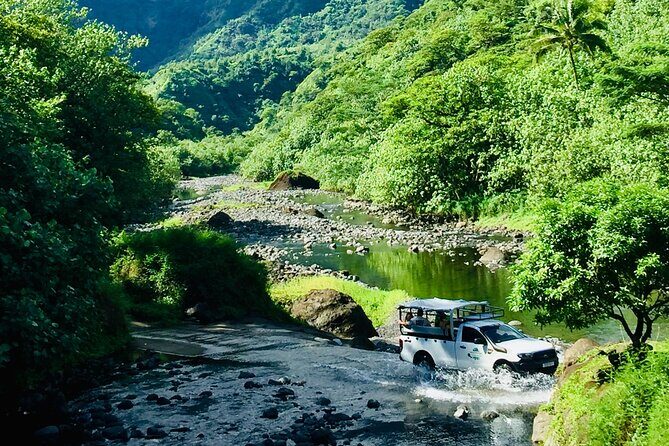
- Small group (up to 8 people) means more room to hear your guide and less chaos at stops
- East-to-west routing with the tunnel view of Vaihiria and big interior scenery
- Real 4×4 terrain: potholes, rutted dirt, switchbacks, and sometimes scary-feeling crossings
- Culture along the way via village time (Fare Hape) and on-the-spot stories, music, and dance
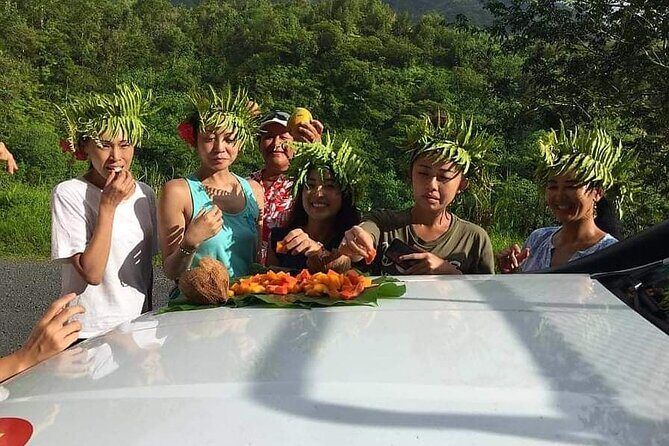
- Light food setup: local fruit snacks included, lunch is not—there is a supermarket stop
- No luggage supported so pack light for a vehicle ride
Papeno’o to Papenoo: why the interior beats the beach day
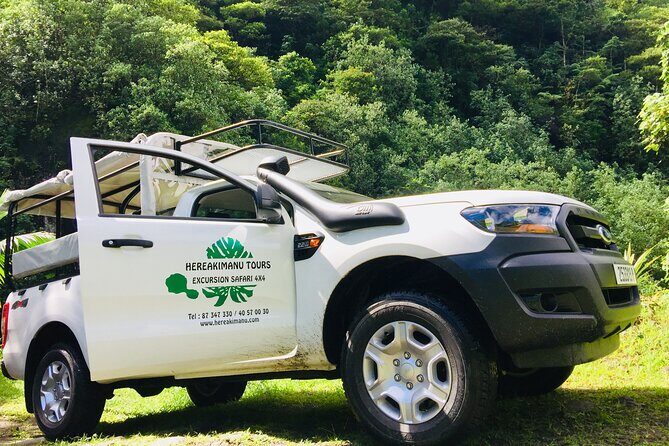
Tahiti can be all postcards along the coast. This tour gives you the other side: the interior where roads thin out, the air feels different, and you start to understand how the island works beyond the resort line.
You start on the east coast at Papeno’o, with black-sand beaches and famous surf spots in the mix. Even if you’re not chasing waves today, those dark beaches are a strong visual cue that Tahiti isn’t one-note. Expect a short stop early for photos, then the drive pushes inland.
From there you head into the Papenoo Valley, where the scenery turns greener and more rugged. In a single day you go from coastal rhythm to valley rhythm. And you keep moving long enough that the stops actually matter—rather than feeling like quick photo ops from the outside of a bus window.
A few more Tahiti tours and experiences worth a look

What the 4×4 ride feels like: potholes, open air, and motion
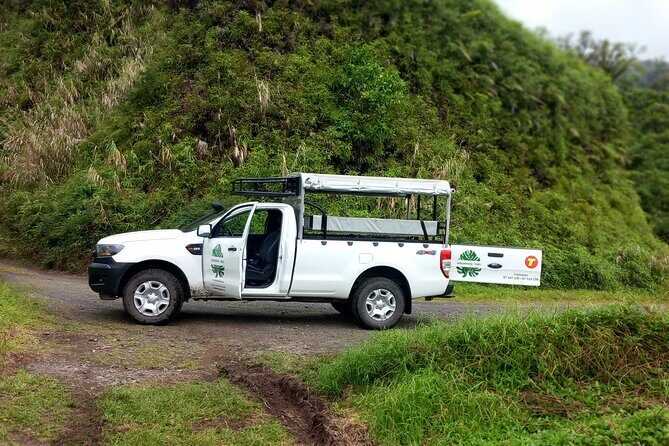
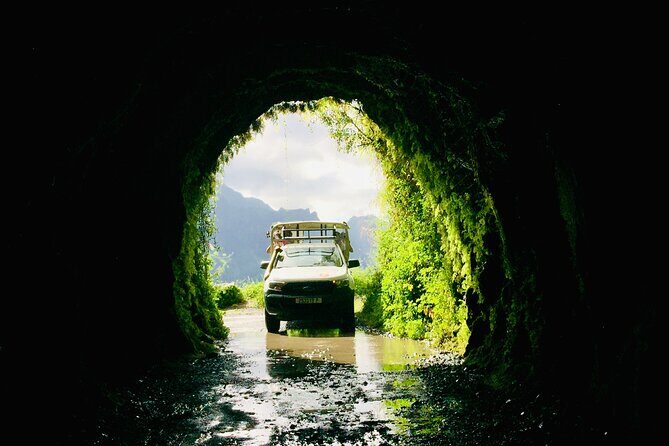
This is a safari drive, not a smooth city tour. A lot of the time you’ll be on narrow gravel roads with switchbacks and rutted dirt. Several people describe it as open-air safari truck style, and the ride can be bone-jarring—especially if the road has puddles or water in the potholes.
If you’re sensitive to motion, take that seriously. Multiple comments call out that the route can make people feel sick afterward, even if they don’t normally get motion sick. Also note the tour is described as not appropriate for pregnant travelers or people with back problems.
One practical approach: dress for real weather (sun and rain both happen in Tahiti). Rain days can make the ride feel harsher and visibility can change fast. When weather shifts, guides often adjust on the spot—rolling up top sections when it pours, then reopening when it clears.
Stop-by-stop: black-sand coast, Fare Hape village, and the Vaihiria tunnel view
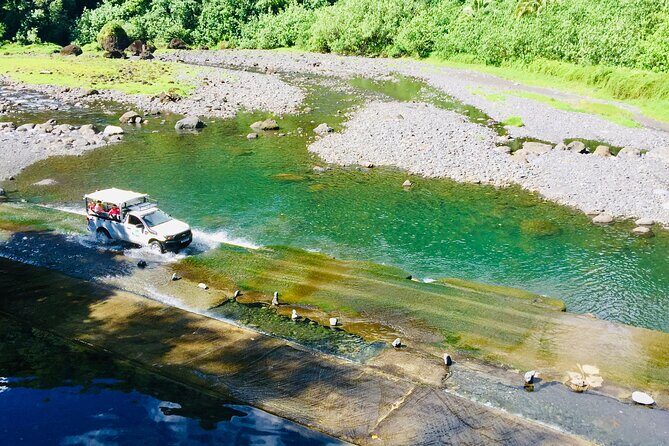
Here’s what the day is built around: a loop through the interior with a few key anchor points.
Papeno’o: black-sand beaches and early photo time
You begin on the east coast. You’ll get that first taste of Tahiti’s rugged shoreline and surf culture. There’s a short stop designed for photos—quick, but enough to orient yourself and start getting excited for what’s coming next.
Papenoo Valley: hours of interior scenery and plant spotting
The biggest chunk of the day is the Papenoo Valley drive. This is where you’ll feel like you’re really inside Tahiti. People mention spotting plants and birds, and guides take time to explain what you’re seeing and why it matters locally.
This part of the day is also where the terrain shows up most. Plan for stretches where you’re mostly on the vehicle, with occasional pull-offs for viewpoints and waterfall photos.




Caldera area and Fare Hape village: history and everyday traditions
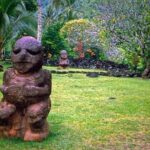
After you’ve traveled partway around, the tour includes a visit to Fare Hape, a village where you can learn about traditional life and the area’s history. Expect about an hour here.
This stop is valuable because it slows the pace just enough to balance the road time. You go from moving through natural terrain to meeting the human side of the same region—how people live, what’s cultural, and what residents consider important.
The tunnel crossing and Vaihiria: east meets west at altitude
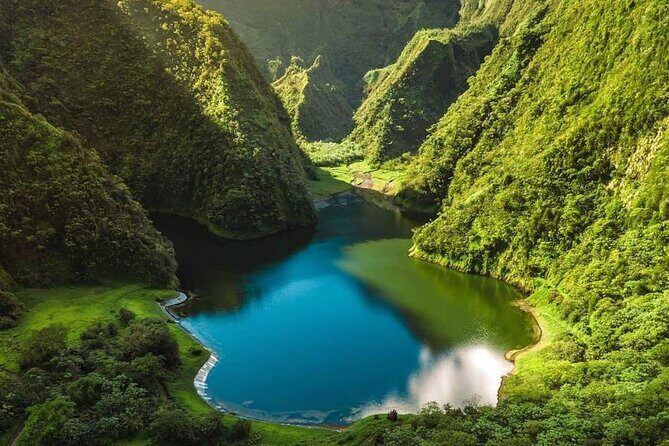
Later you’ll stop at a tunnel connecting the east coast to the west coast. From there you get views toward Vaihiria, described as Tahiti’s only natural high-altitude lake.
This is one of those “you can’t fake it” moments. Being high up, looking across a changing valley system, and then realizing you just crossed from one side of the island to the other gives the day a clear storyline. The terrain also makes the experience feel more intense—some people describe crossings like dam walls or rough passages as a bit scary, but the payoff is the variety of views.
Guides like Leonie, Manua, Tere, and Temaeva: the culture layer you’ll actually remember
A 4×4 day without a good guide can turn into just bouncing and pointing. The strong theme here is that guides do more than drive—they add context while you ride.
Names that show up again and again:
- Leonie (often praised for professional driving, mountain-road confidence, and cultural storytelling)
- Manua (praised as fantastic, with the ride intensity still clearly part of the experience)
- Tere (noted for constant weather adjustments and sharing lots of history and culture)
- Temaeva (highlighted for Tahiti culture knowledge and amazing viewpoints)
Many guides also switch between languages. One review specifically mentions a guide speaking several languages, including French, Tahitian, Spanish, and English. Even if you don’t speak everything, you’ll still benefit from the guide’s pacing and the way they tie nature to everyday culture.
And yes, music and dance can be part of the experience. Reviews include guides playing ukulele, singing, and presenting Tahitian dances, plus small cultural touches like learning or watching traditions during the day.
Waterfalls, camp moments, and those extra stops you should plan around
The day is built for scenery, and waterfalls show up repeatedly. People describe waterfalls gushing down mountains and stopping to take photos by the falls.
There are also add-ons that make the tour feel more like a day in the interior than a standard points-based excursion:
- A camp stop where some people had time to swim in a river setting surrounded by mountains
- A picnic and swimming in a sacred place (in one account, with fruit served)
- A stop that includes a fun “sound echo” demonstration in the mountains using a shell
You shouldn’t count on every single extra moment, but you can expect at least some kind of nature-focused pause beyond just driving. This is part of why the tour works even when weather isn’t perfect. Rain can reduce how far you see, but it often makes waterfalls louder and more dramatic.
Price and value: $143.27 for 4×4 access and real-time guidance
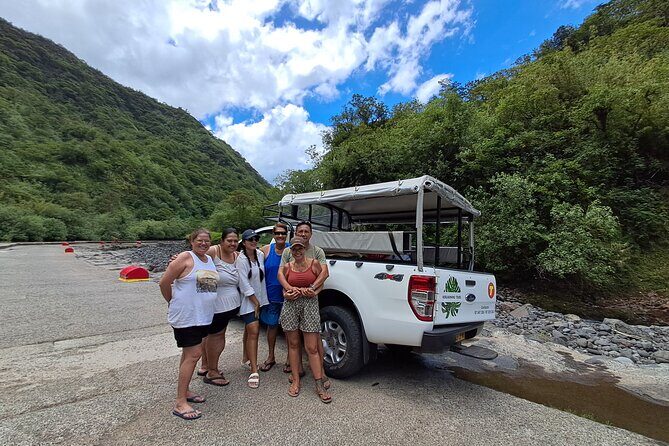
At about $143.27 per person for an ~8-hour day, the value comes from three things you’re paying for:
- Vehicle access to places you can’t reach easily (narrow roads, rough terrain, and crossings)
- A small group size (up to 8), which keeps stops more controlled and the guide more involved
- Cultural and natural interpretation while you’re on the move, not just at the end
What’s not included matters for value planning. Snacks are included (local fruit is mentioned), but lunch and drinks are not included. The tour includes a stop at a supermarket so you can buy what you need.
My practical take: bring your own water if you’re picky about brands or want to avoid decision stress mid-day. And because the ride is so physical, you’ll likely be happier if you plan a simple lunch you can eat quickly.
What to pack and how to survive a long bumpy day
Because luggage isn’t supported, pack like you’re doing a hiking day with a transportation twist. Keep it light and easy to access.
For comfort:
- Wear shoes with grip for gravel and wet patches
- Bring a light rain layer; roads can get slick and weather changes fast
- Use sun protection early; you’ll be exposed to sun and rain depending on the moment
- If you’re prone to motion sickness, consider a personal plan (even if you’ve never needed it before)
Also, mentally prepare for long vehicle time. Some reviews describe the day as taking most of the time on the truck, with brief stand-and-look opportunities. That’s not a flaw here—it’s the point. You’re paying for interior access.
Who this safari fits best (and who should skip it)
This tour is a great fit if you want:
- Nature and waterfalls in the interior, not just coastal views
- A guide who explains plants, birds, and local culture while you travel
- A small-group day where the guide can pause often for photos
- The physical tolerance to handle rough roads and frequent vibration
It’s not a great fit if:
- You have back issues or are pregnant (the tour is explicitly cautioned for this)
- You get motion sick easily
- You need a smooth, comfortable, minimal-stress day
If you’re the type who likes getting off the paved track—even when it’s bumpy—this is one of the more “Tahiti-shaped” ways to spend a day.
Should you book 4×4 Safari Hereakimanu?
If your idea of a perfect Tahiti day includes interior scenery, waterfalls, and village culture, I’d book it. The value is strong for what you actually get: small-group access plus a guide who turns the drive into a story, not just transportation.
But if you’re worried about comfort, motion, or physical strain, you’ll likely regret it. Be honest with yourself about ride tolerance. This isn’t a lounge-and-sightseeing tour. It’s a real 4×4 day in the heart of Tahiti.
FAQ
What time does the tour start?
The tour starts at 8:30 am.
How long is the safari?
It lasts about 8 hours (some experiences are described as running close to 9 hours).
Is pickup offered?
Pickup is offered.
What’s included in the tour?
You get a platter of local fruit snacks. Entrance tickets are listed as free. A mobile ticket is used.
What about lunch—do I need to bring it?
Lunch and drinks are not included. There is a stop at a supermarket so you can buy what you need.
Is luggage supported?
No, luggage is not supported.
Is this tour affected by weather?
Yes. The experience requires good weather. If it’s canceled due to poor weather, you’ll be offered a different date or a full refund.
How many people are in the group?
The tour has a maximum of 8 travelers, and it requires a minimum of 3 passengers to operate.