REVIEW · MOOREA
Swim with humpback whales
Book on Viator →Operated by Corallina Tours · Bookable on Viator
Humpbacks in Moorea are the main event. This 3 to 4 hour outing pairs an open-ocean whale swim with a second underwater-style stop for rays and black tip sharks, all run in a tight, small-capped group. I like that the day is set up for real water time (not just watching), with English and French guidance and supervised swimming.
Two things I especially like: the focus on safety and confidence in waist-height water, and the fact that you get more than one kind of wildlife encounter. You’re not paying just for whales—you’re also getting lagoon time with rays and black tip sharks. One possible drawback: because the group is kept to 12 on board while only a limited number can enter the water at a time, you may rotate and not swim continuously with your whole group.
In This Review
- Key Highlights That Matter in Real Life
- Moorea Whale Season: Why This Swim Makes Sense
- Getting on the Water: 8:30 Start, Pickup, and the Small-Group Reality
- Cruising the Lagoon: The Warm-Up Before Whale Time
- Open-Ocean Humpback Swim: What to Expect Under a Guide
- Safety and “How Close Is Close?”
- Rotation: Why Your Whole Group Might Not Be in Together
- Sea conditions can change your swim time
- What you’ll be doing while the whale is near
- Lagoon Swim After the Whales: Rays and Black Tip Sharks
- Value Check: Is $264.13 Fair for This Moorea Experience?
- Fitness, Comfort, and the Gear You Should Bring
- Who This Is Best For (And Who Might Want a Plan B)
- Weather, Refunds, and Your Best Booking Strategy
- Should You Book Swim With Humpback Whales in Moorea?
- FAQ
- How long is the humpback whale swim experience in Moorea?
- What time does the tour start?
- Is pickup offered?
- What’s included in the price?
- Do I need to bring snorkeling gear?
- Is there a restroom on board?
- How big is the group?
- When is the best time to book for humpback whales?
- Can I swim even if I’m nervous?
Key Highlights That Matter in Real Life
- Seasonal odds (July to early November): Moorea is a winter home for humpbacks part of the year, so timing actually changes your chances.
- Small group feel (max 12): You’re not stuck in a huge crowd watching the ocean.
- Limited swimmers in the water at once: Even with 12 on board, only a smaller number swim at the same time, so expect rotation.
- Whales plus lagoon species: Rays and black tip sharks turn the day into a longer wildlife hit.
- English and French support: You won’t be guessing what to do while you’re suited up.
- Pickup and snorkeling gear included: Less hassle on your travel day, more time to show up and go.
Moorea Whale Season: Why This Swim Makes Sense
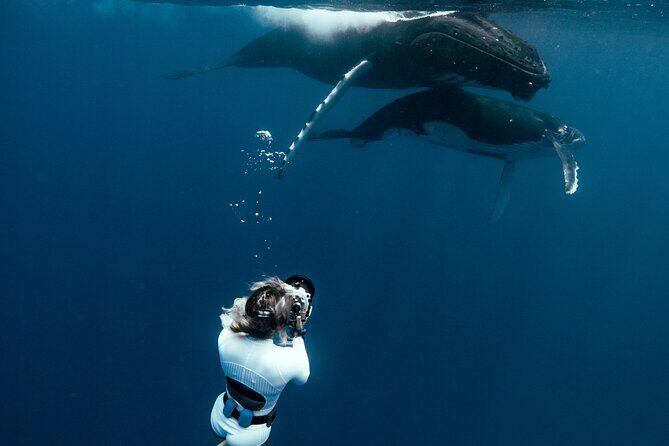
If you’re in Moorea between July and early November, you’re in the window where humpbacks are more likely to show up. That matters because humpback sightings aren’t factory-made. They travel, they surface when they choose, and the guides have to read the water and react fast.
What I like about this experience is the balance between wonder and practicality. You’re not just waiting for a whale to appear from the boat; you’re also set up to swim when conditions allow. Even better, the swim format is designed so you can feel steady in the water—there’s a strong emphasis on supervised, waist-height swimming for nervous first-timers.
The ocean still has its moods. Weather and sea state can affect water clarity and how long you’ll get in the water. So think of this as an adventure with excellent odds in season, not a guaranteed “you will swim for exactly X minutes” promise.
You can also read our reviews of more whale watching tours in Moorea
Getting on the Water: 8:30 Start, Pickup, and the Small-Group Reality
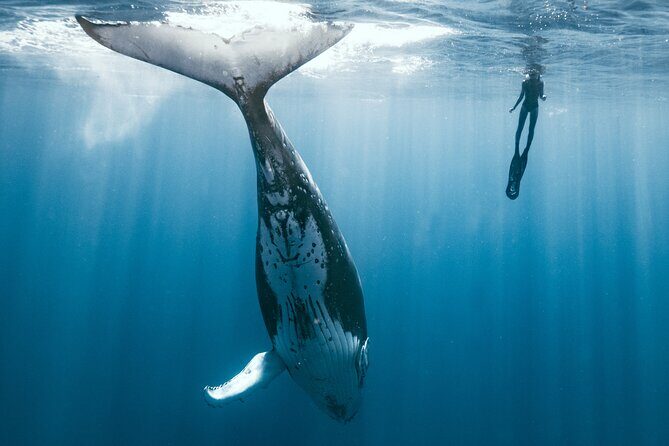
You start at 8:30 am from Corallina Tours’ excursion meeting point in Maharepa (BP19, Maharepa, Moorea). The day ends back at the same meeting point. If pickup is offered for your booking, you’ll be taken to the operator’s hub before boarding, which cuts down on stress—especially useful if you’re staying farther out on the island.
This trip runs with a maximum of 12 travelers. That size is big enough for a fun boat atmosphere, but small enough that the crew can manage the group without turning it into a floating theme park. One detail that affects your expectations: due to 2025 regulations, the number of swimmers in the water at a time is limited (while 12 guests may be on board). The practical result is rotation. You might not all enter the water at once, and you may sometimes feel like you’re waiting for your turn.
That rotation isn’t automatically bad—it can actually help the crew control timing and safety. Still, it’s worth mentally preparing for a “boat, then swim, then regroup” rhythm rather than an endless stretch of continuous swimming.
Cruising the Lagoon: The Warm-Up Before Whale Time
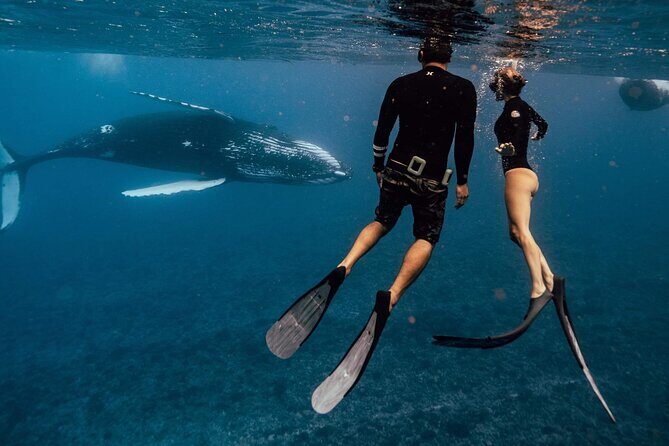
Before you get into the open ocean, you cruise the lagoon and scan for activity. This early part of the day is more than a transfer. It’s where you get your bearings—how the boat moves, what the guide’s commands sound like, and what it feels like to be in the water zone even before you hop in.
You’ll also get a sense of how the crew works. Whale encounters require quick decisions, and the best tours make it feel organized instead of chaotic. The staff guide you in water when whale activity is found, and they also keep an eye on the animals’ behavior so you’re not pushing too close.
One small note on comfort: bottled water is included, but there’s no restroom on board. So plan accordingly before you leave the meeting point and stay hydrated during the ride.
Open-Ocean Humpback Swim: What to Expect Under a Guide
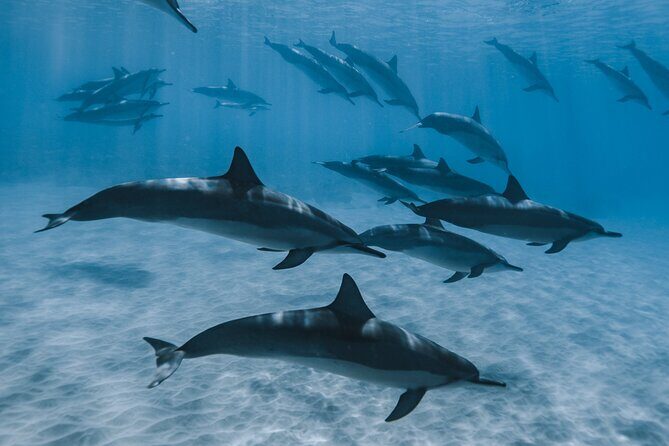
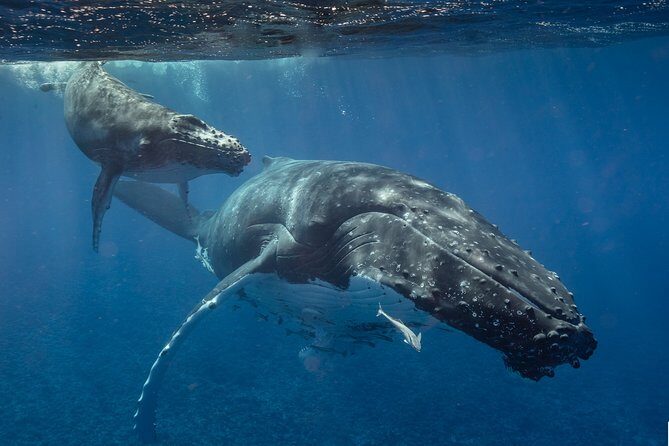
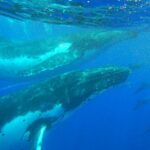
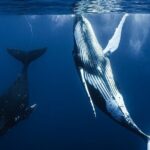
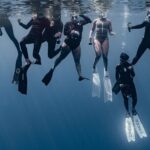
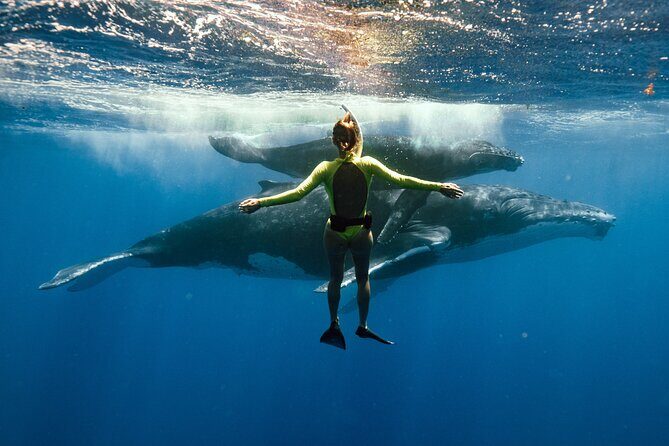
This is the big reason to book. When the crew finds whales, you move into open-water swimming alongside humpbacks.
Safety and “How Close Is Close?”
You’re swimming under supervision, with the setup described as waist-height water for those who are nervous. That’s a key comfort feature. It doesn’t remove ocean challenges, but it does help first-timers feel grounded.
I also like that the guides are described as attentive to feeling safe in open water. Names that come up in the operator’s team include Francesca and Tamahere, and the working style described is calm, clear, and focused on correct behavior around the animals.



Rotation: Why Your Whole Group Might Not Be in Together
Because of the swimmer limitation in the water at a time, not everyone is swimming simultaneously. You may jump in for your turn, then switch out. That can change how you plan your day—especially if you’re traveling as a couple or a small group and want everyone to share the same exact moments.
Sea conditions can change your swim time
Be prepared for swimming effort. Some participants note you should expect 30 minutes to an hour of swimming if you get in. Another reality check: if the sea is rough and visibility is poor, it can turn into a more “chase and wait” style day. It’s still a whale day—you just need to tolerate less-than-perfect water clarity and more time spent working for a good moment.
What you’ll be doing while the whale is near
This kind of swim works best when you’re quiet and controlled. In open water, small mistakes—loud splashes, random kicks, or rushing—can spook wildlife. The crew’s job is to help you stay calm and follow the pacing. That’s why the group size matters and why the guide-to-guest ratio feels important.
Lagoon Swim After the Whales: Rays and Black Tip Sharks
The whale part of the day is hard to top, but this stop gives the day a second act.
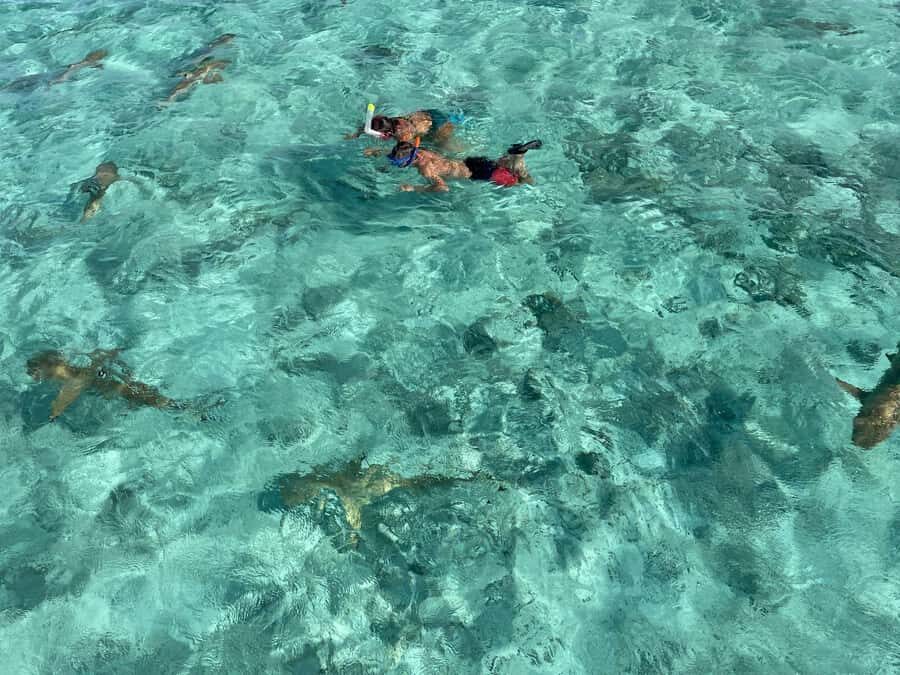
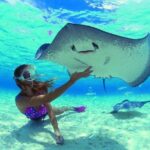
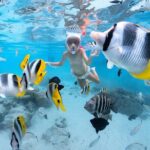
After whale time, you head to a lagoon where you can meet and swim with rays and black tip sharks. This is where the experience feels like more than one encounter. It’s also a different kind of water time—often more relaxed than open-ocean scanning, because you’re in a lagoon setting with clearer boundaries.
Snorkeling gear is included, and bottled water is on board. Some participants also point out that wildlife may be near the surface, so you might find you don’t need to snorkel continuously to enjoy it—depending on how the animals are moving that day.
If you’re worried about how long you’ll be in the water, this stop helps balance the day. The whale swim can be demanding (and sometimes weather-dependent), while the lagoon section tends to feel more like a hands-on wildlife interaction moment.
Value Check: Is $264.13 Fair for This Moorea Experience?
At $264.13 per person, this isn’t a casual activity. So you should think about what you’re paying for: access to humpback whales in open water, guided supervision, and additional lagoon wildlife time.
Here’s why the value can be strong:
- Whales plus a second wildlife stop: You’re not paying whale prices for whale-only time.
- Snorkeling equipment included: No separate rental run around.
- Pickup offered (when available): Less logistical friction on the morning.
- Small group cap: Even with rotation, the experience stays more personal than big-boat alternatives.
Where value depends on you:
- If conditions are rough or water clarity is limited, you might spend more time swimming in choppy water and less time getting the perfect whale view from the ideal spot.
- Since only some guests enter the water at a time, you might have moments where you’re watching from the boat, hoping your turn comes soon.
If you want a “guaranteed” style experience—where the day never changes—this might not feel like that kind of purchase. But if you’re realistic about nature and you value guided, safe wildlife swimming, it’s priced like an active, high-demand day in Moorea.
Fitness, Comfort, and the Gear You Should Bring
This activity notes a strong physical fitness level. That doesn’t mean you need to be a triathlete. It means you should be comfortable swimming, moving with fins (fast swimming is mentioned), and coping if the ocean is a bit pushy.
Practical comfort points:
- Expect real water time. Even in calmer conditions, it’s not a “stand still and watch” cruise.
- Bring swim gear you’re confident in. Some people show up with basic swimwear and do fine, but I’d rather you show up prepared than hope for luck.
- Pack a towel if you can. One person mentioned not having one, and a guide let them use his—kind and helpful, but not something to rely on.
And don’t forget: sunscreen is on you. Reapply as needed. Sun hits harder when you’re out on the water and moving around.
Who This Is Best For (And Who Might Want a Plan B)
This tour style fits best if you:
- Love animals and want more than whale watching from above the water.
- Are comfortable in open water and can follow guide instructions calmly.
- Travel in the July to early November season to improve odds.
- Prefer a smaller group and bilingual guidance (English and French).
It may be a tough fit if you:
- Hate waiting for a turn to swim (rotation happens due to limits on swimmers in the water at once).
- Have a very limited comfort level with swimming effort and possible rough conditions.
- Are going with very young kids or people who can’t handle open-water rules—some experiences suggest the deep water portion may not be ideal for children.
Weather, Refunds, and Your Best Booking Strategy
Nature runs the schedule. This experience requires good weather, and if it’s canceled due to poor weather, you’ll be offered a different date or a full refund. That’s a big deal in French Polynesia, where a small weather shift can affect visibility and sea state.
If weather is likely to be unpredictable during your travel window, I’d book it early enough that you have flexibility to move your plans if needed. The experience is also described as non-refundable and non-changeable if you cancel yourself, so pick dates you can commit to.
Should You Book Swim With Humpback Whales in Moorea?
I’d book it if your priority is real whale time with a supervised, structured guide team—plus a second wildlife encounter in the lagoon. The small capped group, the bilingual guidance, and the included snorkeling gear all point to a day designed for people who want to get into the water and do it right.
I’d pause or consider a different format if:
- You’re mainly looking for guaranteed whale swimming time with everyone in your group at once (rotation is part of the structure).
- You’re traveling with someone who struggles with open water and swimming effort.
- You can’t handle the possibility of a rough day where the whales are spotted but the water conditions make the swim harder.
For the right traveler—patient, safety-minded, and excited to work with the ocean—this is one of those Moorea experiences that turns into a core memory fast. Just go in with the right expectations: the whales set the pace, the crew helps you meet it, and your best gift is calm, good energy in the water.
FAQ
How long is the humpback whale swim experience in Moorea?
The duration is listed as about 3 to 4 hours.
What time does the tour start?
The start time is 8:30 am.
Is pickup offered?
Pickup is offered (when available for your booking).
What’s included in the price?
Included items are snorkeling equipment and bottled water, plus round-trip transportation is part of the experience.
Do I need to bring snorkeling gear?
No—snorkeling equipment is included.
Is there a restroom on board?
No restroom is listed as available on board.
How big is the group?
The maximum is 12 travelers.
When is the best time to book for humpback whales?
The highlights state it’s perfect for visits between July and early November.
Can I swim even if I’m nervous?
The experience description says you can swim confidently in waist-height water under the supervision of your guide.