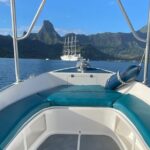
REVIEW · MOOREA
Moorea: Whale Swimming Boat Trip
Book on GetYourGuide →Operated by Moorea Expedition · Bookable on GetYourGuide
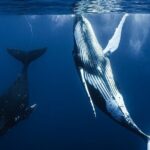
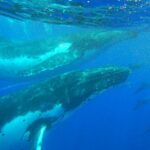
Whales in your face, in Moorea. This Moorea lagoon whale trip is built around an in-water encounter with humpback whales where swimming is permitted, plus guided time to learn the story behind the season.
I love the small-group setup, limited to just 6 people, because it keeps the experience calmer and more personal. I also love that you get real-world guidance first, with safety rules and the local legends and migration facts the guides share. One possible drawback: whale time depends on nature, so on some days you might get more boat watching than actual swimming.
In This Review
- Quick take: what makes this trip special
- Moorea’s humpback season: timing that actually affects your odds
- The 4-hour flow: hotel pickup to back on land
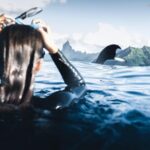
- Swimming with humpbacks: what you do, what you learn, what you respect
- Whale watching from the boat: the part that still delivers if water time is limited
- Wildlife add-ons: dolphins and pilot whales, plus a turtle chance
- Snorkeling gear, swimsuits, and getting comfortable fast
- Price and value: what $295 buys you in Moorea
- Who should book this and who should skip it
- Environmental rules that protect the whales (and your encounter)
- Language and guides: getting the most out of the briefing
- What to pack checklist for a whale swim day in Moorea
- Should you book this Moorea Whale Swimming boat trip?
- FAQ
- How long is the Moorea whale swimming boat trip?
- What is included in the price?
- How much does the tour cost?
- When are humpback whales usually in Moorea?
- Is swimming with humpback whales allowed on this tour?
- How big is the group?
- What should I bring, and what’s not included?
Quick take: what makes this trip special
- In-water humpback whale experience in a French Polynesian lagoon where it’s permitted
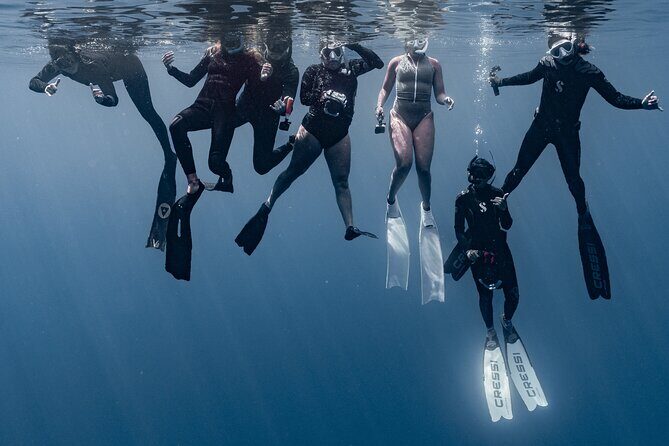
- Small group (max 6), which usually means more attention during safety and snorkeling
- Professional live guide in French and English, sharing both facts and legends
- Wildlife bonus chances like spinner dolphins and pilot whales, depending on conditions
- Photo-friendly coastline time along Moorea’s coast while you’re out on the water
- A guide name worth remembering: Max, who (with the captain) has adjusted plans for turtle sightings when possible
Moorea’s humpback season: timing that actually affects your odds
This is a bucket-list type of tour, but it works best when you travel in the right window. Humpback whales are typically present from mid-July to mid-November. Outside that range, you may still see whales or other marine life, but the in-water humpback experience is less reliable.
What I like about this setup is that it’s clearly designed around the whale season, not just a random boat day. When whales are there, the whole trip makes sense: you’re not only looking for movement from the deck; you’re preparing to get in the water responsibly and respectfully.
You can also read our reviews of more boat tours in Moorea
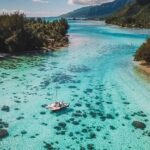
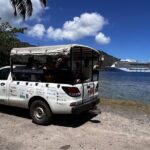
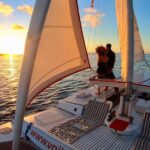
The 4-hour flow: hotel pickup to back on land
The tour runs for 4 hours, with hotel pickup and drop-off included. That matters in Moorea, where you don’t want to lose your day wrestling with transport when the best action is on the water.
Here’s the rhythm you should expect:
- You start with pickup and a short orientation from the guide.
- You head out by boat to the whale area.
- The guide does a pre-water briefing focused on safety and animal respect.
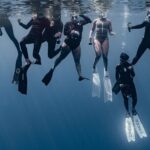
- You swim with humpbacks if conditions and whale behavior allow.
- You spend additional time in the lagoon, which can include other wildlife sightings.
A heads-up from the vibe of the experience: even with a great guide, your schedule is still shaped by what whales do. One person noted the day felt more like boating than swimming, which is a reminder that this is nature-first, not a theme-park script.
Swimming with humpbacks: what you do, what you learn, what you respect
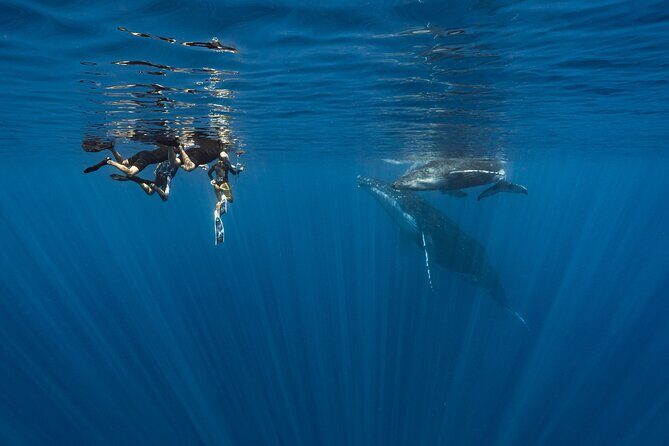
The core of this tour is the in-water humpback whale encounter. French Polynesia is one of the rare places where swimming with humpback whales is permitted, and that permission comes with responsibilities. This is where the guidance matters.
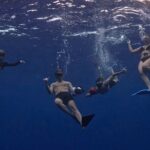
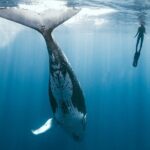
Before you go in, the guide gives safety guidelines and teaches you how to respect the animals. That might sound abstract until you’re standing there with snorkel gear and the reality hits: you’re sharing space with a migrating giant. The goal isn’t to chase, crowd, or touch. It’s to observe calmly, swim at the right pace, and follow staff instructions.
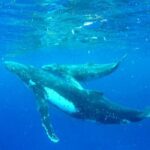
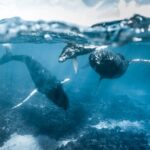
You’ll likely spend time watching humpbacks interact—playfully interacting with one another is part of the experience when the pod is settled nearby. The guides also explain migration and the idea of how whales move through this region. That mixture of practical info and local legend is what turns a simple swim session into a story you can carry home.
Whale watching from the boat: the part that still delivers if water time is limited
Even when whale swimming is not the full focus of your day, whale watching from the boat can still be a big win. You’ll be out in Moorea’s lagoon where humpbacks can show behavior close enough for a real encounter, not just distant sightings.
One review highlight was that a whale stayed with the group for a long stretch, which shows how much variety you can get day to day. If your whales are active and hanging around, you’ll probably feel like the whole tour revolves around them. If they’re moving or conditions aren’t right, your time may shift more toward observation and preparation rather than extended swimming.
Wildlife add-ons: dolphins and pilot whales, plus a turtle chance
The tour is whale-first, but it’s not limited to humpbacks. You might also spot:
- Spinner dolphins
- Pilot whales
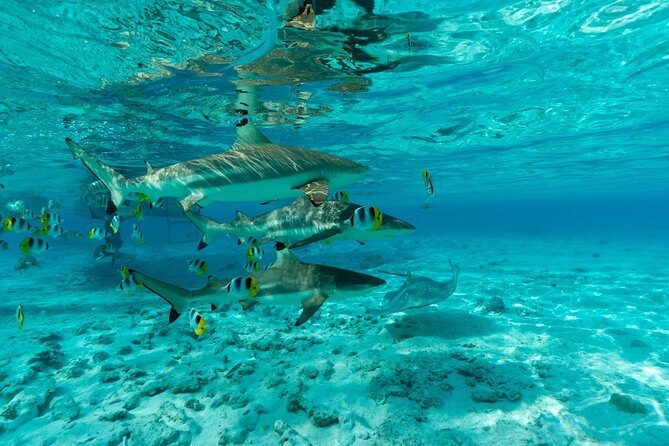
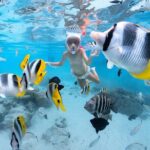
- Other marine life while you’re in the lagoon
There’s also a fun detail from one of the experiences: Max and the captain have been able to steer the day toward turtles at a request. You shouldn’t count on turtles every time, but it’s a nice sign that the crew is paying attention and adapting when conditions allow.
If you’re the type who enjoys scanning the water for fins and splashes—great. This trip rewards that quiet attention. And it’s also a great day if you like variety: you’re not choosing between whales and snorkeling and dolphins. You’re getting a mix depending on what shows up.
You can also read our reviews of more whale watching tours in Moorea
Snorkeling gear, swimsuits, and getting comfortable fast
This is a water trip, so comfort is your best friend. Here’s what matters most:
- Snorkeling gear is included
- You still need swimwear ready
- You should bring a towel
- Sunscreen is not included, so pack it before pickup
- Drinks are included, which helps you stay relaxed while waiting for whale activity
Even though gear is provided, you can still make your day easier by bringing a towel you’ll actually like using afterward. And sunscreen matters because you’re out on open water, and you’ll likely spend time both watching and in the water.
Also, the tour is not a good fit if you’re dealing with balance or pain issues. Notably, it is not suitable for people with back problems, mobility impairments, wheelchair users, non-swimmers, or people prone to seasickness and motion sickness.
Price and value: what $295 buys you in Moorea
At $295 per person for a 4-hour small-group tour, you’re paying for a specific kind of access: a guided, permitted in-water whale experience plus boat time in Moorea’s lagoon.
Compared to general whale watching, this is priced higher because:
- The tour includes hotel pickup and drop-off
- Snorkeling gear and drinks are included
- The group is small (limited to 6 people)
- You’re not just watching from above; you’re preparing to swim with humpbacks
That said, this isn’t a guaranteed swimming session every minute. You’re still dependent on whale behavior and conditions. So the value hinges on your willingness to go with the flow. If you want a perfectly timed action schedule, this will frustrate you. If you’re okay with nature setting the pace, this can feel like a fair price for a once-in-a-lifetime type of morning or afternoon.
Who should book this and who should skip it
This tour isn’t for everyone, and the rules are pretty clear. It is not suitable for:
- People with back problems
- People with mobility impairments, wheelchair users, and those using mobility scooters
- Non-swimmers or people without experience
- People with epilepsy
- People prone to seasickness or motion sickness
- People with pre-existing medical conditions or recent surgeries
- People with low level of fitness
- People over 280 lbs (127 kg)
If you’re a confident swimmer, generally healthy, and you don’t get knocked around by boat motion, you’re in the right zone. If you fall into any of the categories above, you’ll have a higher risk of a rough day and you won’t get the experience this tour is meant to deliver.
Environmental rules that protect the whales (and your encounter)
A whale swim only works because everyone follows the plan. The activity includes strict “not allowed” rules meant to protect the animals and keep the group safe.
For your day, pay attention to these key points:
- Touching marine life is not allowed
- Feeding animals is not allowed
- Drones are not allowed
- No pets (assistance dogs are allowed)
- Smoking is not allowed in the vehicle
- Intoxication and alcohol and drugs are not allowed
In practice, that means the guide will steer you toward calm, respectful behavior. It also means you’ll spend less time thinking about what you should do, and more time actually noticing whales.
One small practical thing: wear shoes that won’t cause trouble on boats and avoid anything that could snag or slip. High-heeled shoes are also not allowed.
Language and guides: getting the most out of the briefing
The tour has a live guide in French and English. That’s important because the in-water part relies on clear instructions. When you understand what the guide wants—how to move in the water, how to behave around the animals—you can relax and enjoy the encounter instead of guessing.
One review mentioned a guide named Max and the captain. That suggests you can build trust quickly with the crew, and you’ll likely get answers in the moment if you have questions.
What to pack checklist for a whale swim day in Moorea
To keep the day smooth, focus on items you control:
- Swimwear
- Towel
- Sunscreen (not included)
- Snorkeling gear (the tour provides snorkeling gear, but if you prefer your own, bring it)
And plan around what you’re not supposed to bring:
- Drones
- Pets (assistance dogs allowed)
- Weapons or sharp objects
- Large luggage, oversize luggage, and big bags
This isn’t about being fussy. It’s about keeping the deck area safe and distraction-free while you’re waiting for whale activity.
Should you book this Moorea Whale Swimming boat trip?
Book it if you want a real in-water whale experience, you’re traveling in the humpback season (mid-July to mid-November is the usual window), and you can swim confidently. The small group size and professional briefing are what make this feel like more than just a boat ride.
Skip it if you’re prone to seasickness or you fall into the listed medical or mobility categories, because the day can involve boat movement and time in the water. Also skip it if you hate waiting on nature—this trip depends on whale behavior.
If you’re the type who likes to learn while you watch and who respects animal rules, this is one of the most meaningful ways to spend a half day in Moorea’s lagoon. And when the whales cooperate, the memory goes straight to the top of your trip stories.
FAQ
How long is the Moorea whale swimming boat trip?
It lasts 4 hours, including the time out on the water and the in-water experience if conditions allow.
What is included in the price?
The tour includes hotel pickup and drop-off, snorkeling gear, and drinks.
How much does the tour cost?
The price is $295 per person.
When are humpback whales usually in Moorea?
Humpback whales are typically present from mid-July to mid-November, though exact dates can vary by year.
Is swimming with humpback whales allowed on this tour?
Yes. The experience is designed as an in-water experience with humpback whales, along with a safety briefing and rules for respecting the animals.
How big is the group?
It’s a small group limited to 6 participants.
What should I bring, and what’s not included?
Bring swimwear, a towel, sunscreen, and snorkeling gear. Sunscreen and towels are not included.