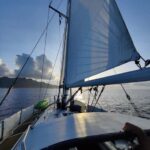
REVIEW · MOOREA
Private tour observing and swimming with humpback whales in Moorea
Book on Viator →Operated by Mana Moorea Tours · Bookable on Viator
A humpback sighting can change everything. In Moorea, this private half-day outing pairs a small-group boat (max 8) with a marine biologist and lifeguard-style safety so you can observe or swim with humpbacks during the July–November season.
I like the mix of plain fun and real purpose here: you also meet rays, sharks, and turtles, not just whales, and you get a guided look at Moorea’s lagoon and open sea. The best part for me is the ability to tailor the day to what you want, since this is genuinely private.
The only real drawback to plan for is that whale encounters are nature-based. You might not find whales instantly, and swimming takes some effort—one review notes a swim of about 100 yards to reach them—so you’ll want to be comfortable in the water and follow the guide’s calls.
In This Review
- Key points to know before you go
- Boarding the Mana’hau in Maharepa (and why small groups matter)
- The whale season window: July to November changes your odds
- Moorea from the water: lagoon, open sea, and the bays stop
- Marine biologist meets lifeguard: a smart safety-and-story combo
- Snorkeling with rays, sharks, and turtles (gear included)
- Subwin “flying” over the seabed: a fun extra when you want more than snorkeling
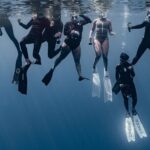
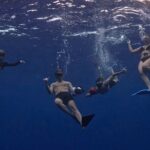
- Swimming with humpback whales: how the day usually unfolds
- Price and value: $1,640 for a private, safety-led whale experience
- Who this private Moorea whale tour fits best
- Tips to make the day smoother (based on how these trips run)
- Should you book this private whale-and-snorkel tour?
- FAQ
- When can you watch and swim with humpback whales on this tour?
- How long is the private tour?
- What is the group size?
- Is pickup offered?
- What happens at the end of the tour?
- What’s included for snorkeling?
- Who guides the experience?
- Where does the tour start?
- What level of fitness do you need?
- What if weather is bad?
Key points to know before you go
- Small-group feel (8 people max): more time and attention, less crowd noise
- Two roles on board: an experienced lifeguard guide plus a marine biologist for both safety and animal context
- Whale season timing (July–November): that’s when whale watching and snorkeling are offered
- You can observe or swim: choose your comfort level on the day
- Snorkeling kit included: plus safety equipment for the time in the water
- Subwin viewing: a board towed behind the boat lets you “fly” over the seabed to see what’s under you
Boarding the Mana’hau in Maharepa (and why small groups matter)
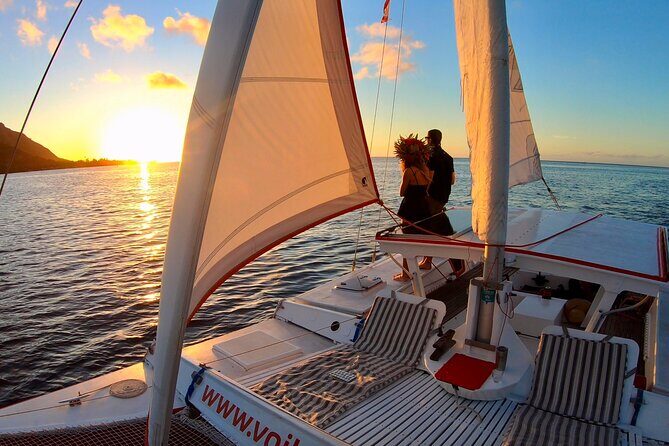
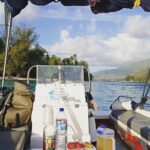
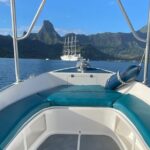
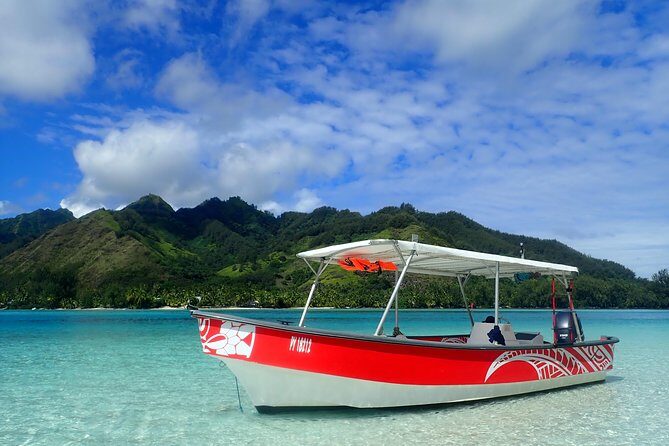
Your day starts from Caramel’In in Maharepa, and the tour ends back there, which keeps things simple. Expect a relaxed half-day schedule on the boat named Mana’hau, built for comfort and for getting you out to the areas you need without feeling rushed.
What makes the small-group setup a big deal is how it affects your time in the water. With a maximum of 8 people, there’s room for the guides to adapt. If you’re more into whale watching than swimming, or you want extra time with rays and turtles, the day can flex instead of running on rails.
The reviews echo this theme: people highlight how the guides were attentive, the timing stayed calm, and the boat experience matched the description. That matters because on wildlife trips, stress makes everything harder—especially if you’re hoping for a once-in-a-lifetime whale encounter.
You can also read our reviews of more private tours in Moorea



The whale season window: July to November changes your odds
This is not a year-round whale tour. Humpback whales are part of the plan from July to November, and that seasonal timing matters for two reasons.
First, you’re not rolling the dice in the wrong months. You’re aiming for a period when whale activity is expected, which improves the odds that your trip is actually about humpbacks rather than just “maybe someday.”
Second, the guides can plan around whale behavior and safe positioning. Even with all the right choices, humpbacks move, and the day can turn on where they decide to surface and what they do next. In one standout account, the group managed to get into position with moving whales and had a mother and calf close enough to feel unreal.
If you’re booking outside the season, you’d need a different type of Moorea wildlife day, because the whale piece is specifically tied to that July–November window.
Moorea from the water: lagoon, open sea, and the bays stop
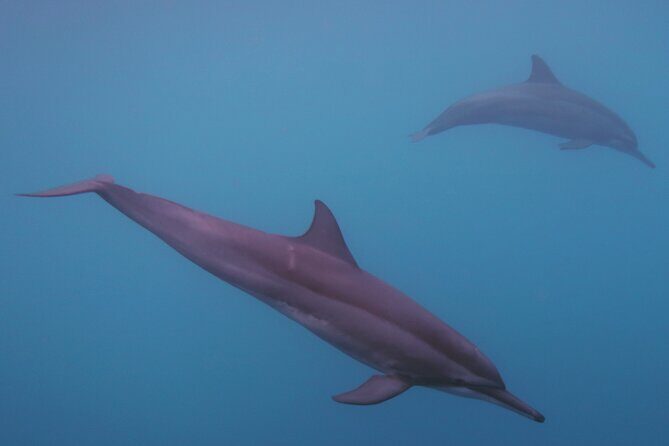
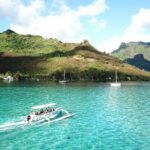
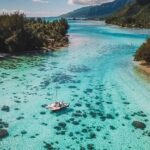
Once you’re aboard, the emphasis is on seeing Moorea’s marine world from multiple angles. You’ll head out to experience both the lagoon and the open sea, which gives you a broader picture than a single sheltered-cove outing.
A nice touch is that the day isn’t one-note. You may visit two bays during the excursion, which helps you break up your time and increases the variety of what you see—different water conditions, different shorelines, and different underwater “neighborhoods.”
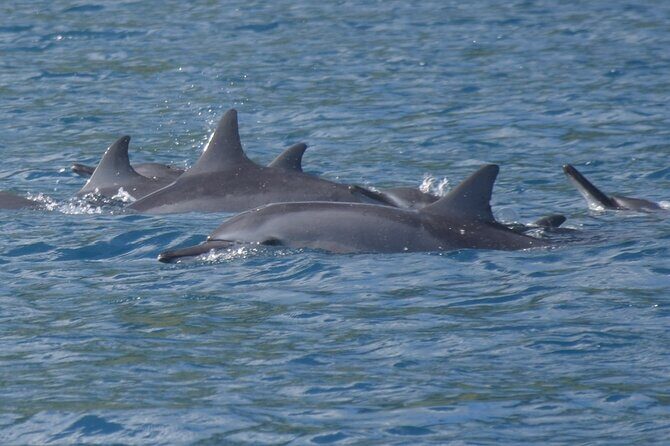
Some trips like this focus only on speed and catching whales. Here, the plan still leaves room for the other classic Moorea marine icons: rays, sharks, and turtles, plus dolphins during the season.
The practical upside for you: even if the whale timing is a little unpredictable, you’re still building a strong nature list by the end of the four-hour outing.
Marine biologist meets lifeguard: a smart safety-and-story combo
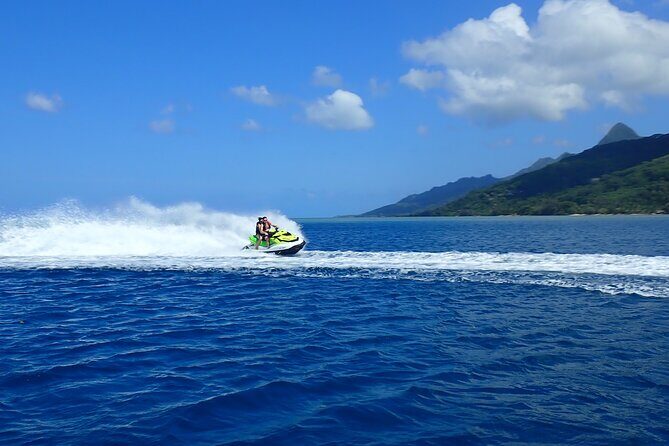
A lot of tours call themselves educational. This one is structured differently. You’re guided by both an experienced lifeguard guide and a qualified marine biologist specializing in Polynesian fauna.
That combination is useful in real life, not just in theory. The lifeguard side supports what you need for safe time in the water—how to handle snorkeling, how to react to changing conditions, and how to stay calm around large animals. The marine biologist side adds context, so you understand what you’re seeing beyond the wow factor.
In the reviews, people consistently mention the guides’ respect for the whales and the environment. One group specifically praised how the team was attentive to safety and tuned in to whale movement—exactly what you want when the animals are moving and you’re trying to swim without stressing them.
Snorkeling with rays, sharks, and turtles (gear included)

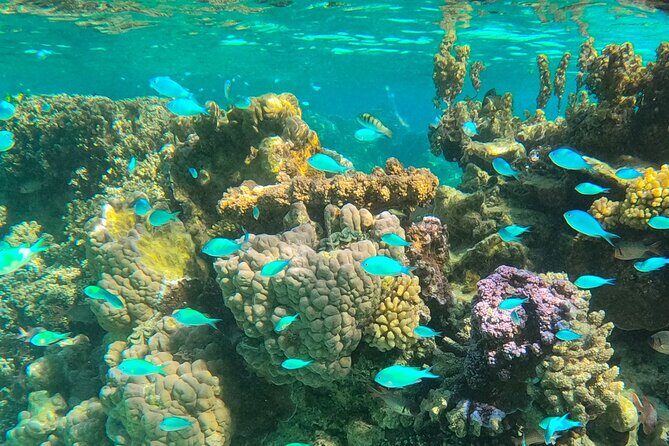
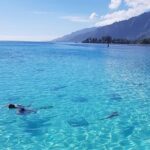
Snorkeling gear and all safety equipment are included, which you’ll appreciate when you’re traveling with suitcases and don’t want to track down rentals. You can think of this as “water time that’s handled for you,” not a DIY situation.
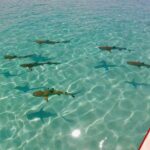
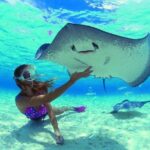
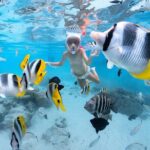
In the experience, snorkeling isn’t limited to one animal or one stop. You may snorkel near stingrays, sharks, and turtles, and you’ll get guidance through the interaction. One review notes that the trip never felt rushed as the group snorkeled through multiple types of marine life.
Here’s what that means for you: instead of sprinting from one quick sighting to the next, you get enough time in the water to settle in. That makes a big difference if you’re trying to see animals calmly rather than panic-surfacing every few seconds.
And if you’re new to snorkeling in tropical lagoons, the lifeguard guide presence is a comfort. Moderate fitness is required, but you’re not being asked to do anything technical—just to manage being in open water while following instructions.
You can also read our reviews of more whale watching tours in Moorea
Subwin “flying” over the seabed: a fun extra when you want more than snorkeling
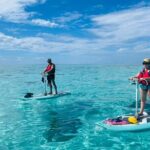
One of the more memorable options is the subwin, described as a board towed at the back of the boat so you can see the seabed from above. It’s basically a different angle on the underwater world—more like gliding than snorkeling.
The big value of this add-on is variety. If you snorkel and feel like you’ve seen everything you can see at the surface, the subwin gives you another perspective without requiring extra gear. It also tends to fit different comfort levels: you’re not necessarily committing to a long swim just to get a view.
Expect it to be part of the day’s flow, not a separate whole production. It’s the kind of extra that makes the four hours feel fuller than a standard whale boat ride.
Swimming with humpback whales: how the day usually unfolds
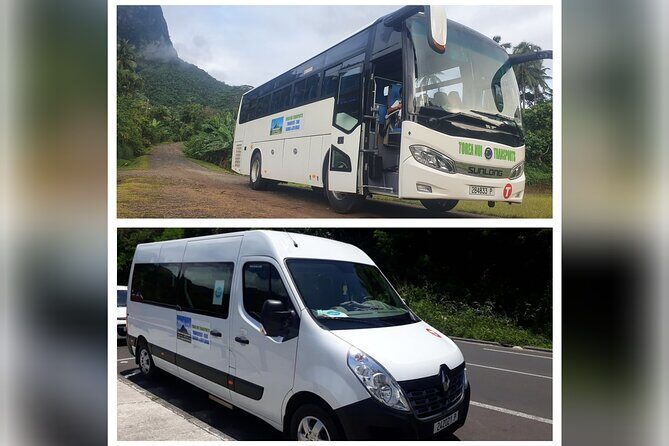
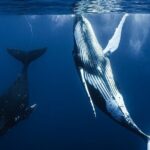
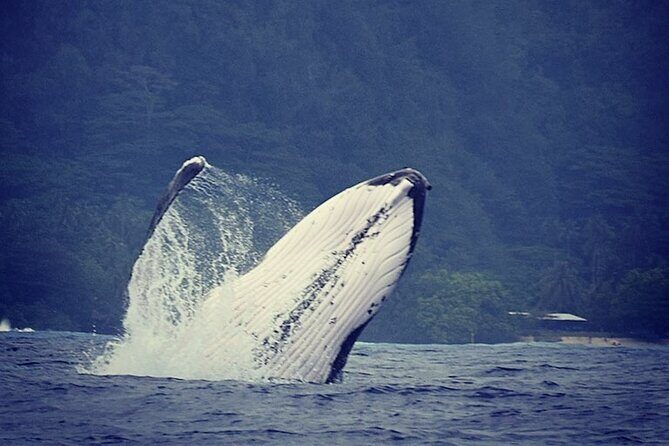
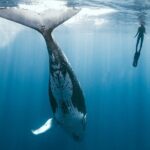
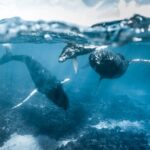
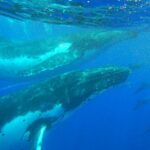
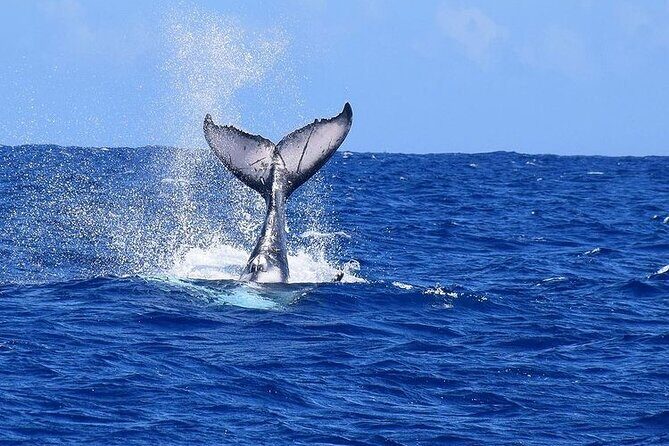
This is the headline, so it deserves a clear look. You can observe or swim with humpback whales during the season. On paper, that sounds straightforward. On the water, it’s more about timing, positioning, and patience.
In at least one account, the group spotted whales and then swam about 100 yards to reach them. That’s a key consideration for you. If swimming that distance feels like work, you might prefer to observe rather than swim—or at least talk through your comfort level at the start of the day.
Another important element is how whales approach. One review describes a moment where whales came right up to the group, and another highlights a magical close encounter with a mother and calf. Those moments don’t come from forcing contact. They come from the team reading the whales and getting into position while keeping a respectful distance.
So what should you do as a swimmer? Stick to your guide’s instructions, stay calm, and be ready for the day to change quickly. The upside is that when the conditions line up, it can feel surreal—in the best way.
Price and value: $1,640 for a private, safety-led whale experience
At $1,640, this isn’t a cheap excursion. But it may be one of those “pay for the right day” choices—especially if you want a private setup, included snorkeling gear, and professional safety and science support.
Here’s where the value comes from, practically:
- Private means fewer people than standard tours, which helps you get attention and adapt if conditions change.
- Safety equipment and lifeguard guidance reduce the friction and worry factor in the water.
- Marine biologist interpretation adds meaning so you’re not just watching silhouettes.
- Whale-focused season timing (July–November) improves your chance the outing is truly about humpbacks.
One thing to double-check when you book is what the price covers for your group size, since it’s listed as a single experience rate. If you’re splitting between multiple people, the per-person value often improves for a private outing like this.
If you’re the type who likes animals but also wants comfort, customization, and real guidance, the price can make sense quickly. If you’re traveling on a strict budget, you might find better value in a shared whale-watching day—but you’d likely trade away the small-group feel and tailored pacing.
Who this private Moorea whale tour fits best
This tour is ideal if you want:
- A private, small-group wildlife experience (max 8)
- A mix of whale watching plus snorkeling with other marine life
- Professional safety with a marine-focused explanation of what you’re seeing
- The option to observe or swim, based on your comfort
It’s also a good match if you’re celebrating something. The “once-in-a-lifetime” language shows up in the feedback because this is exactly the kind of day that sticks with you.
Who might hesitate? If you’re not comfortable swimming, you might still enjoy it by observing. But if the idea of any meaningful swim feels stressful, you should consider that moderate physical fitness is requested, and some groups do swim out to the whales.
Tips to make the day smoother (based on how these trips run)
You’ll have the best experience if you treat this like a coordinated wildlife mission, not a casual cruise.
- Bring a swim-ready mindset even if you plan to observe. Conditions can shift fast.
- Plan to follow your guide’s pace and spacing. This is how you stay safe and keep the encounter respectful.
- Wear what dries easily and helps you feel stable in water. You’ll likely be in and out of the sea more than once.
- If you’re hoping for whales, be mentally flexible about timing. When humpbacks are moving, patience is part of the deal.
Should you book this private whale-and-snorkel tour?
If you’re traveling in July–November and you want the real Moorea experience—boat time on the lagoon and open sea, snorkeling with rays/sharks/turtles, plus a genuine shot at swimming with humpback whales—this is a strong choice. The small-group cap and the dual guide setup (lifeguard guide plus marine biologist) are exactly what you want for a wildlife day.
I’d book if you value safety, personalization, and the chance to spend meaningful time around marine life rather than just spotting from far away. I’d hold off or adjust expectations if swimming distance makes you nervous, since some encounters can require active effort.
If the whale season lines up and you’re ready to play it calm and follow the plan, this is the kind of day that can turn into a core memory of French Polynesia.
FAQ
When can you watch and swim with humpback whales on this tour?
Whale watching and snorkeling with humpback whales are offered during the season from July to November.
How long is the private tour?
The experience runs for about 4 hours.
What is the group size?
This is a private tour with a maximum boat capacity of 8 people.
Is pickup offered?
Yes, pickup is offered.
What happens at the end of the tour?
The activity ends back at the meeting point.
What’s included for snorkeling?
The tour includes snorkeling equipment and all safety equipment.
Who guides the experience?
You’re supervised by an experienced lifeguard guide and a qualified marine biologist specializing in Polynesian fauna.
Where does the tour start?
The start point is Caramel’In in Moorea, at the commercial area in Maharepa (Moorea 98728), French Polynesia.
What level of fitness do you need?
A moderate physical fitness level is recommended.
What if weather is bad?
This experience requires good weather. If it’s canceled due to poor weather, you’ll be offered a different date or a full refund.