REVIEW · AVATORU
BLUE LAGOON | Eco-tour | Snorkeling Avatoru | Secret Green Lagoon
Book on Viator →Operated by Rangiroa Excursion · Bookable on Viator
Turquoise water, real-world sharks, and culture in one day. I love the focus on Le Lagon Bleu snorkeling where the water stays calm enough to enjoy long swims, with Black tip reef sharks often cruising nearby. I also like the small-group eco-tour approach in Rangiroa, built around nature spotting as much as photos.
You’ll also enjoy the cultural stop-and-lunch rhythm. On the private motu, the day mixes shaded food time with a hands-on braiding workshop and traditional music, and the energy from guides like Brando, Poema Burns, and Leticia’s family can make it feel personal instead of rushed. The main thing to consider is that the boat ride can be long and can feel rough when conditions turn, so it’s smart to plan for that.
In This Review
- Key reasons this Rangiroa eco-tour works so well
- First stop: Le Lagon Bleu and snorkeling with purpose
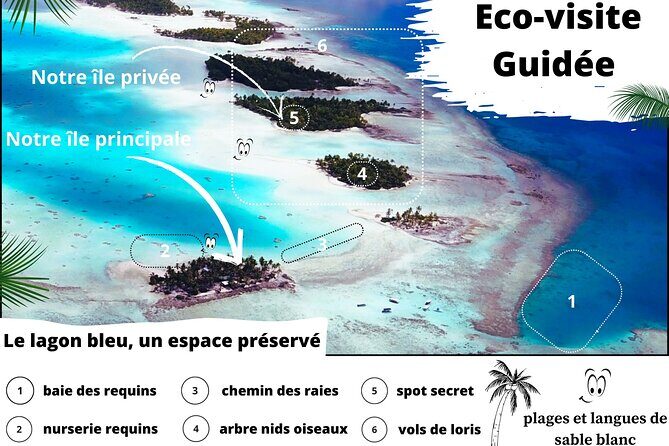
- Eco-tour on the main island: shark nurseries and seabirds, not just swimming
- Cultural workshop and traditional music on the motu
- Lunch on a private motu: local food and time to breathe
- Avatoru Pass snorkeling: the water calls the shots
- Secret Green Lagoon finish: coffee, cakes, and calmer vibes
- Timing, pickup, and what to pack for a long lagoon day
- Price and value: what $139.68 really buys you
- Should you book the Blue Lagoon eco-tour with Rangiroa Excursion?
- FAQ
- What is the duration of the Blue Lagoon eco-tour?
- What time does the tour start, and do they pick me up?
- Where is pickup for Tiputa and for cruise ship passengers?
- Can I snorkel Avatoru Pass if conditions aren’t perfect?
- How many people are in the group?
- What should I bring for snorkeling?
- Does the tour run in any weather?
- What is the cancellation refund window?
Key reasons this Rangiroa eco-tour works so well
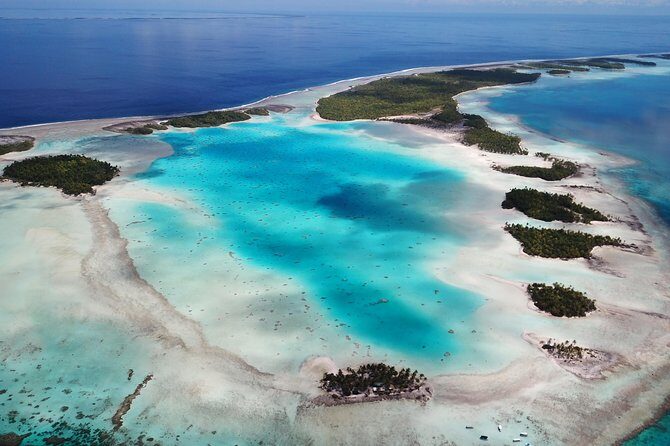
- Blue Lagoon snorkeling in a famously clear bay, with wildlife-friendly guiding
- Eco-tour nature time: shark nurseries, seabirds, skates, corals, and beach areas
- Private motu lunch with local food, plus braiding and traditional music
- Avatoru Pass snorkeling when the current cooperates
- Secret Green Lagoon finish with coffee and cakes
First stop: Le Lagon Bleu and snorkeling with purpose
The day starts with the big one: Le Lagon Bleu. This is Rangiroa at its most postcard-like, with bright turquoise water over pale sand, and a setup that’s meant for real snorkeling time rather than quick checkmarks. The crew leads you through the water with an eye toward safety and staying in the right areas, so you’re not just drifting and hoping for the best.
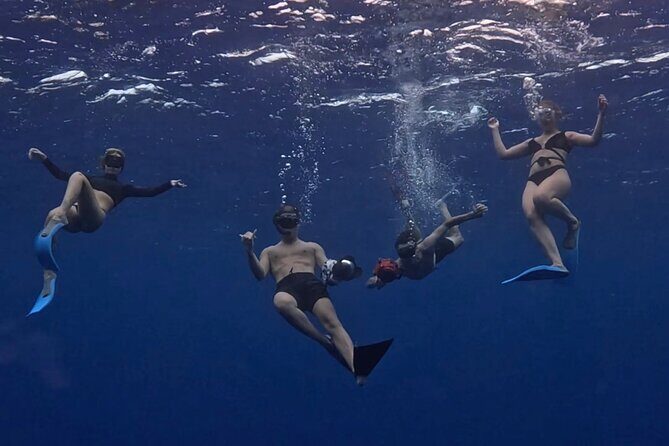
What makes this stop click is the mix of sights and the pace. You get a boat ride out, then time on a main area for a snack and bathing before the snorkeling. When you get in, you’re not doing a frantic sprint. You can slow down and actually watch what’s going on below: fish schools, coral edges, and the kind of calm, curious shark presence that makes people stop moving for a moment just to stare.
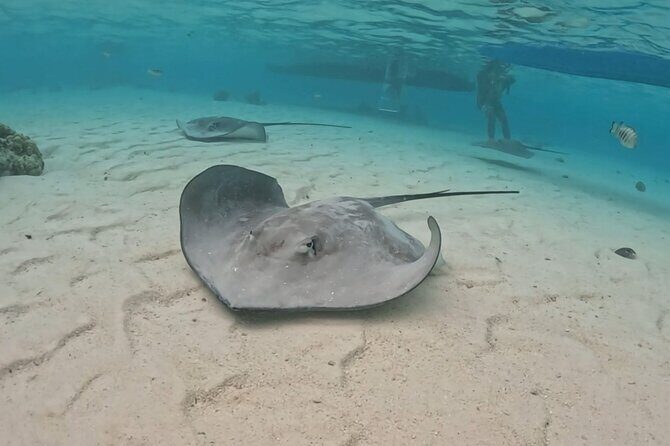
And yes, people really do talk about the sharks here. Many mention Black tip reef sharks, and some also note other rays and big grace-in-the-water moments. The point isn’t that wildlife is guaranteed on every single second. The point is that the guides put you in the right places and keep you aware, so you’re more likely to see the highlights without wasting your energy.
If you’re thinking about equipment, bring water shoes if you have them. Even when the water is the main event, sandy entries and coral-adjacent areas can make a difference. If you prefer your own snorkel mask setup, bring it too. When you’re comfortable, you can stay in the water longer and enjoy more.
Eco-tour on the main island: shark nurseries and seabirds, not just swimming
After the first snorkeling, the day shifts gears to an eco-tour on the main island. This is where the tour earns its eco label in a practical way: you’re not only on the water, you’re learning how the lagoon ecosystem works and why certain spots matter.
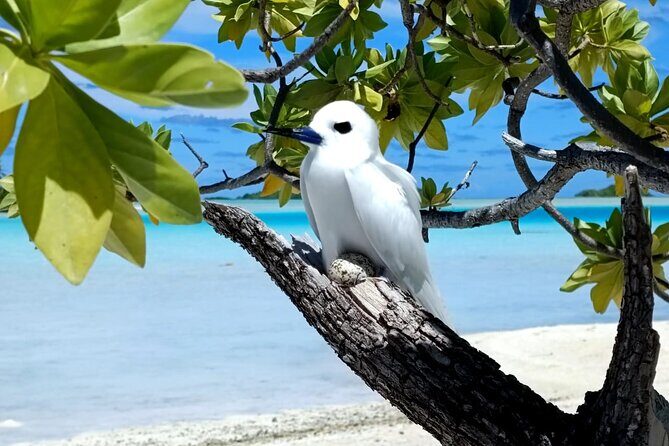
You’ll hear explanations tied to what you’re seeing, including shark nurseries, seabirds, skates, local flora, corals, and beaches. That sounds like a list, but it’s helpful because it changes how you look at the lagoon. Instead of only scanning for the next exciting creature, you start noticing the supporting cast: where life gathers, what signals a good habitat, and how shallow reef edges and sandy areas connect.
This part is also a good reset. The first snorkeling stop is bright and fun, but it uses energy. The eco-tour gives you shade and a break from constant water time, while still keeping you engaged. It’s also where group size matters. This tour runs with a maximum of 12 people, which tends to make the experience easier for the guides to manage and for you to ask questions without shouting.
If you like nature spotting and you care about learning without turning the day into a classroom, this stop is one of the best values of the schedule.
Cultural workshop and traditional music on the motu
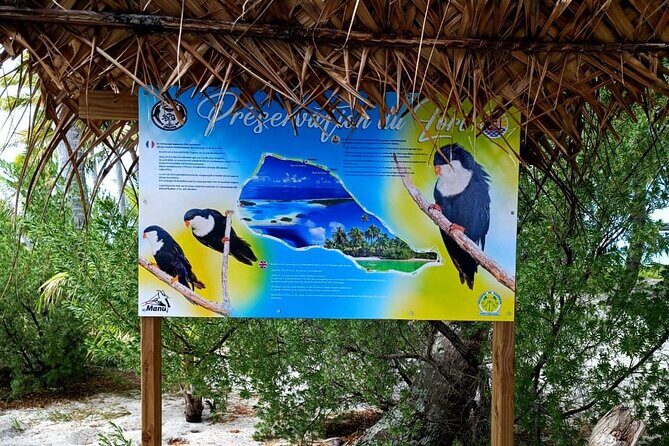
By late morning, you land on the cultural side of the day. There’s a braiding workshop and traditional music as part of the lineup. This matters because it turns your day away from only wildlife watching and into something more connected to Rangiroa life.
The braiding is hands-on, and that’s what I like about it. You’re not just watching someone perform. You get to try, mess up a bit, and leave with a small skill and story that makes the photos feel more meaningful.
Traditional music plays in the background, usually as part of the lunch rhythm, not a separate show that forces you into one spot. That keeps the mood relaxed. People also mention shaded lunch breaks and breezes, which you’ll really appreciate in the lagoon heat.
There’s a social element too. In the best moments, you feel like the family or team feeding you wants you to experience their routine, not just consume a meal and move on. Names that come up in feedback include Leticia and her family, plus team members like Mati, but the larger takeaway is the same: the cultural stops feel warmly hosted.
Lunch on a private motu: local food and time to breathe
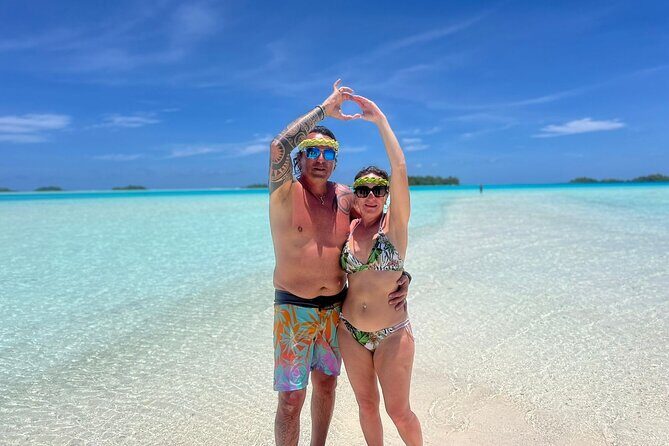
Lunch is served on a private motu, which is one of those things you feel immediately. The lagoon around you is quiet in a way that big public beaches often aren’t. You get time to slow down, eat, and then linger without pressure.
Food is described as delicious, and several people mention that the family on the beach prepares it and serves it in a shaded, comfortable way. Some notes even mention a fresh-fish element picked up along the way for a BBQ-style lunch. Even if you don’t care about the exact fishing story, you’ll care about the result: a real lunch, not a sad sandwich that gets eaten standing up.
This is also when you’ll want to take sun seriously. People bring up concern about sun exposure, and the tour’s setup helps: there’s sun protection during boat time, plus shade during the lunch stop. Still, plan for the sun anyway. Light coverage and a long-sleeve layer can make the whole day feel easier.
After lunch, there’s a window of free time. That’s smart scheduling because it lets you choose how your energy holds up. If you want more water time, you can. If you want to lie on the sand and do absolutely nothing, you can do that too.
Avatoru Pass snorkeling: the water calls the shots
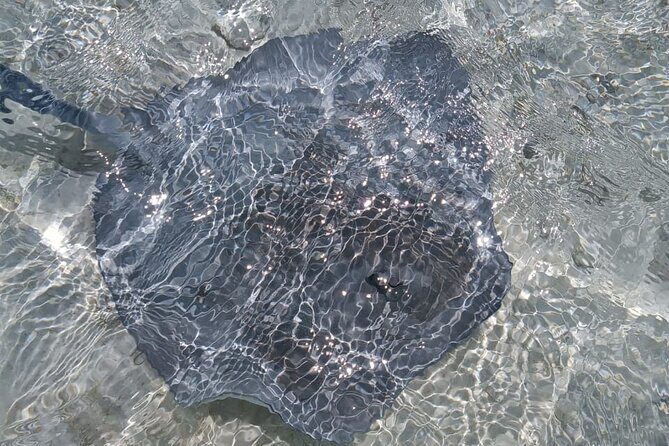
Later in the afternoon, you head to Avatoru Pass for snorkeling, but there’s one key condition: it’s scheduled only if the current is favorable. That’s not a marketing detail. It affects whether you’ll actually get the best snorkeling conditions and what the experience feels like in your time in the water.
When the current works, this stop is often described as leaving people speechless. The pass area is known for strong, interesting flow and clear views when conditions are right, and it tends to deliver big “how is this real?” moments compared to calmer lagoon bays.
You won’t want to show up to this part expecting a leisurely drift with zero movement. Even when you’re careful, pass water can feel more energetic than the Blue Lagoon stop. The guide team’s job is to choose the right timing and keep you safe. Your job is to be ready for snorkeling that might feel a little more active.
If you get sensitive to sun or motion, this is also a good moment to pace yourself. The whole day is long, so you’ll enjoy Avatoru Pass more if you don’t treat it like the final sprint of the trip.
Secret Green Lagoon finish: coffee, cakes, and calmer vibes
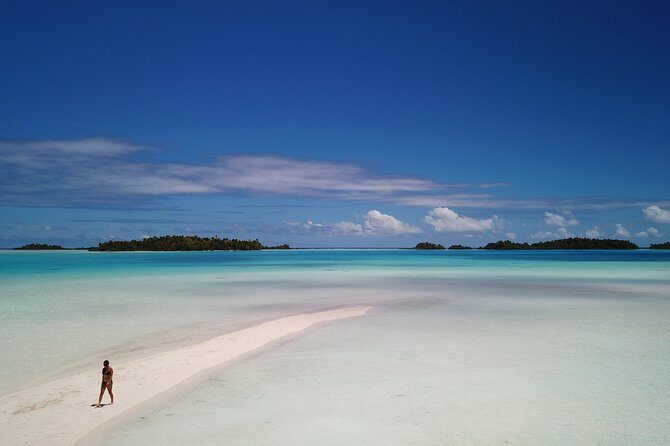
The day rounds out at the Secret Green Lagoon with coffee and cakes. This is a nice tonal change after snorkeling, because it feels like you’re coming down from the water and letting the day land.
People describe the Green Lagoon experience as special, including wildlife sightings on the way back. Even when you don’t catch an extra animal moment, the lagoon color shift is real and dramatic. The “green” part is the vibe: the water looks different, the light looks different, and it feels like a softer ending instead of another frantic stop.
Coffee and cakes are a small touch, but it’s the kind of touch that makes a difference at the end of an 8-hour excursion. You’ll have time to cool off a bit, refuel, and reset before the return trip.
Timing, pickup, and what to pack for a long lagoon day
This is an early start kind of outing. The schedule has a transfer from your accommodation around 08:20, boat check-out around 09:00, and then snorkeling and activities that run through roughly 16:30. The tour is listed at about 8 hours total, but on lagoon time, it can feel like a full day because you’re moving, snorkeling, and then eating with real pauses.
Pickup details matter depending on where you’re staying:
- If you’re in Tiputa, pickup is at the Ohotu quay at 8:20 a.m., with a taxi boat at the tour’s expense.
- If you’re on a cruise, contact the operator directly to adjust schedules, and there’s mention of round-trip transfer from Ohotu dock.
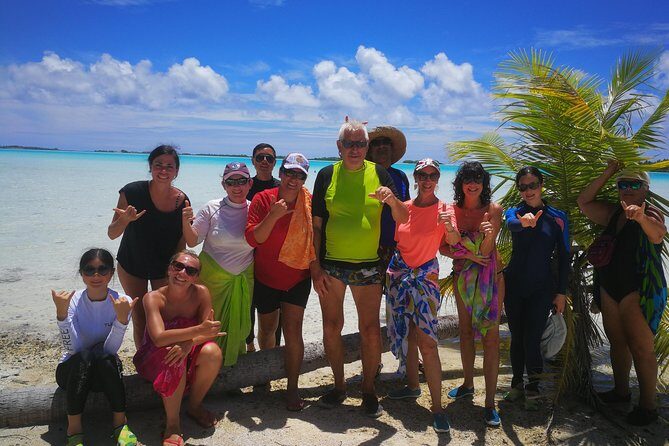
This tour caps at 12 travelers, which is excellent for the vibe. Smaller groups often mean less waiting around during transitions and more direct attention during snorkeling.
Now, what to pack based on real on-the-water comfort:
- Water shoes (strongly recommended)
- Your snorkel mask if you prefer your own fit
- Long sleeves for sun and comfort
- Basic sun protection (hat, sunscreen), even if shade is part of the plan
Also think about motion and rough water. The feedback is consistent that the boat ride can be fun and adventurous, but it can also be rough enough to bother some people. If you’re prone to seasickness, plan ahead.
Price and value: what $139.68 really buys you
At $139.68 per person, this isn’t a bargain price. But it’s also not just a quick snorkel. You’re paying for a full lagoon day built around multiple experiences that each cost money on their own: boat transport, two main snorkeling zones (Blue Lagoon and Avatoru Pass, depending on current), an eco-tour portion with guided nature focus, a cultural workshop, and a local motu lunch plus coffee and cakes.
For me, the value comes from the way the day is structured:
- You get more than one water highlight, not only one quick swim.
- The eco-tour adds meaning, so the wildlife sightings feel connected rather than random.
- The motu lunch and cultural moments turn it into a day with atmosphere, not only sightseeing.
If you’re the type who enjoys snorkeling and you want it paired with local culture and nature learning, the price makes sense. If you only want one short swim and you’re happiest doing everything independently, you might find a simpler half-day option more efficient. But for a full-sensory Rangiroa day, this one earns its cost.
Should you book the Blue Lagoon eco-tour with Rangiroa Excursion?
I’d book it if you want a well-paced full-day that balances water time with guided nature learning and a proper local lunch on a private motu. I also like that it’s small-group focused (max 12), and the cultural stops are hands-on rather than passive.
Hold off or plan carefully if:
- You know you get uncomfortable with boat rides in choppy conditions.
- You’re sensitive to sun and don’t pack coverage.
- You specifically want Avatoru Pass snorkeling guaranteed. It depends on current, so you should expect nature to set the final terms.
If your idea of a great day in Rangiroa is snorkeling plus real lagoon ecology plus a shared meal on the motu, this is the kind of tour that fits. And if you’re lucky with wildlife and currents, you’ll leave with that very hard-to-fake feeling of having seen Rangiroa the way it’s meant to be seen.
FAQ
What is the duration of the Blue Lagoon eco-tour?
The tour runs about 8 hours (approx.), starting with a morning transfer and returning around the late afternoon.
What time does the tour start, and do they pick me up?
Start time is listed as 8:30 a.m., and the schedule includes pickup/transfer from your accommodation around 08:20.
Where is pickup for Tiputa and for cruise ship passengers?
For accommodations in Tiputa, pickup is at the Ohotu quay at 8:20 a.m., with a taxi boat at the tour’s expense. For cruise ship passengers, you need to contact the operator directly to adjust schedules, and there’s mention of round-trip transfer from Ohotu dock.
Can I snorkel Avatoru Pass if conditions aren’t perfect?
Snorkeling in Avatoru Pass is included only if the current is favorable.
How many people are in the group?
This activity has a maximum group size of 12 travelers.
What should I bring for snorkeling?
You should bring water shoes, and if you prefer your own gear, bring your snorkel and mask. Long sleeves are also recommended in the feedback.
Does the tour run in any weather?
It requires good weather. If it’s canceled due to poor weather, you’ll be offered a different date or a full refund.
What is the cancellation refund window?
Free cancellation is available up to 24 hours in advance for a full refund. If you cancel less than 24 hours before the start time, the amount paid is not refunded.