REVIEW · MOOREA
Whale watching and snorkelling in Moorea
Book on Viator →Operated by Lagoon Vibes · Bookable on Viator
Humpbacks in Moorea are a real-life show. This 4-hour outing lets you chase whales in their seasonal migration and, when conditions allow, snorkel right alongside them with Lagoon Vibes. I particularly like the small max group size and the focused teamwork of guides like Ivy and Captain Christoph, who aim for a respectful, safety-first experience rather than just ticking a box.
The tradeoff? You do need to be comfortable with ocean snorkeling basics—fins, mask, and getting in and out of the water using the boat ladder—plus good physical stamina for longer swims when they track the whales. If you’re not a strong swimmer or you get motion sick, plan carefully.
In This Review
- Key things I’d prioritize before you go
- The Whale-Watching Reality in Moorea: What You’re Actually Hoping to See
- Starting at Quai des croisières: How the Trip Gets Rolling
- Finding Whales: Why Ivy’s Spotting and Patience Matter
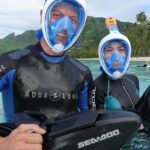
- Snorkelling Launches in Open Ocean: What You’ll Need to Do
- What if the sea is rough or visibility is limited?
- You don’t have to get in the water
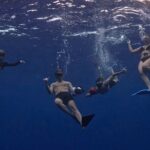
- What the Snorkel Experience Feels Like: Multiple Swims and Real Encounters
- Safety and Whale Etiquette: Why This Tour Feels Respectful
- Price and Value: Is $230.78 Worth It for Four Hours?
- Who This Tour Suits Best (And Who Should Think Twice)
- Should You Book This Whale Watching and Snorkelling Tour?
- FAQ
- How long is the Moorea whale watching and snorkelling tour?
- What is the price per person?
- What are the group size limits?
- Do I need to snorkel in the water?
- What fitness or swimming skills are required?
- Are there age requirements for ocean launches?
Key things I’d prioritize before you go
- Max 6 travelers means more personal attention and less time waiting around.
- Ivy and Captain Christoph lead with whale awareness, safety routines, and calm problem-solving when the sea is choppy.
- Snorkelling is conditional: you can watch from the boat if water conditions or animal behavior don’t line up for launches.
- You might swim multiple times at different whale spots if the day allows it.
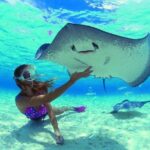
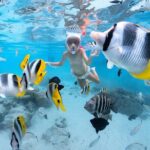
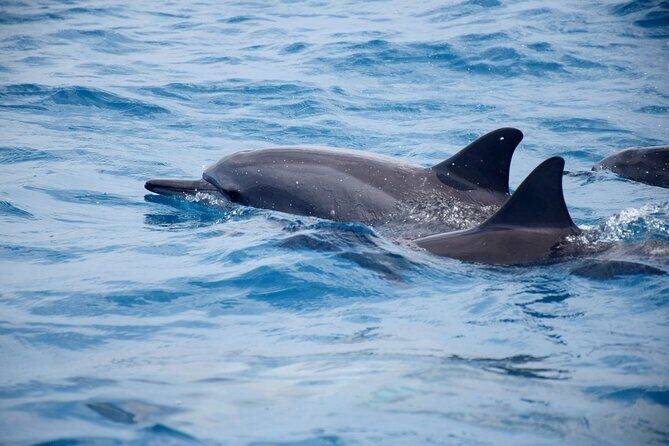
- More than whales is possible: dolphins, turtles, skates, and sharks can show up depending on the day.
- Gear support includes snorkel equipment and wet suits, plus drinks during the trip.
The Whale-Watching Reality in Moorea: What You’re Actually Hoping to See
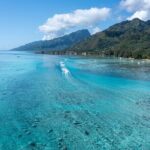
Moorea is famous for humpbacks, and this tour is built around how unpredictable that can be. You’re not buying a guaranteed performance. You’re buying a structured search with the right people steering the boat, watching behavior closely, and making good calls when conditions change.
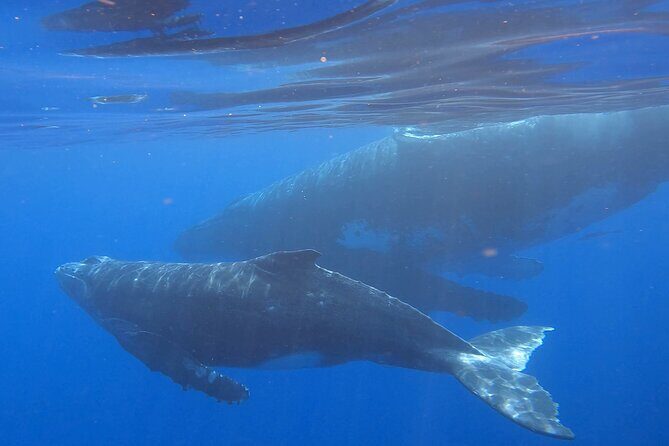
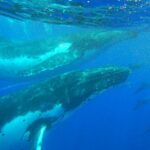
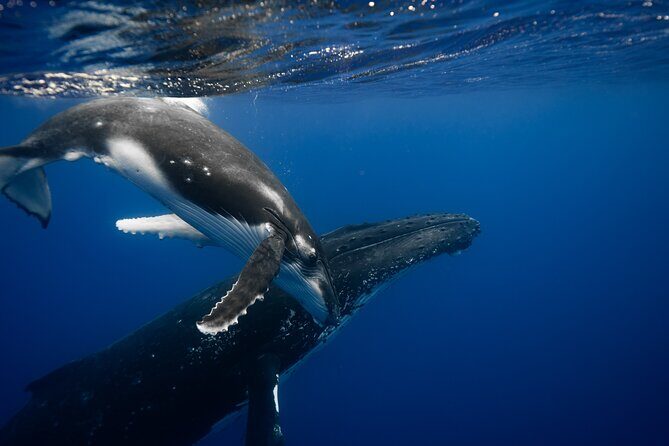
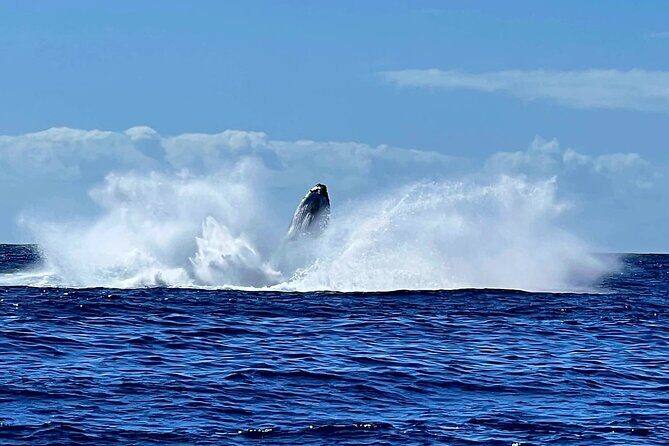
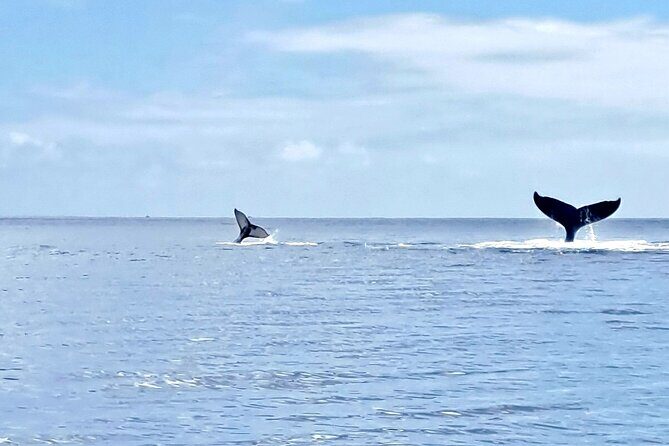
In the best cases, you’re in the right place for the kinds of whale moments that make people forget everything else. You might see a mom and calf, hear a male humpback singing, and catch the dramatic stuff like jumps, fin-flapping, pectoral fin strikes, or the tail end coming out of the water. And if the whales are doing their social and courting behaviors, you may also see what the team calls love parades—slow, purposeful movement that looks almost choreographed from the surface.
The important part for you: even when you don’t get a “close swim” on every attempt, you can still have a very real whale day. Many of the most memorable moments happen from the boat—breathing, surfacing patterns, and listening to singing—without you needing to push your body into open-ocean snorkeling.
You can also read our reviews of more whale watching tours in Moorea

Starting at Quai des croisières: How the Trip Gets Rolling
Your tour meets at Quai des croisières (G56J+9VV) in Moorea, and it ends back at the same meeting point. That’s simple, and it matters if your day is tight between cruise logistics and other island plans.
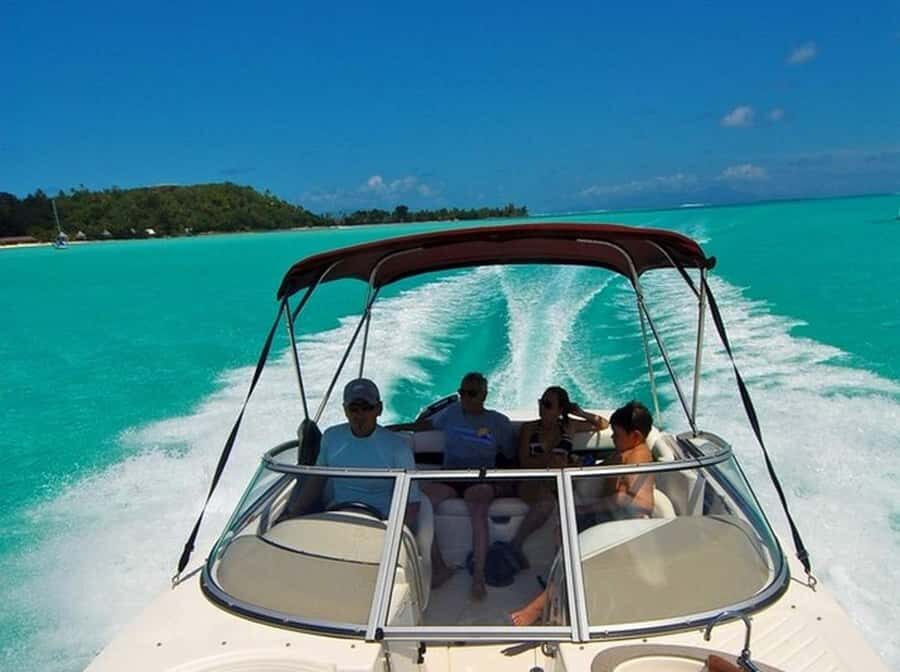
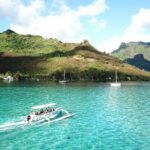
Once you’re aboard, you’ll travel along the coast in search of whales. This boat time is not wasted time. It’s where the guide team spots movement, monitors how other boats are positioned, and prepares for the next action—either another whale sighting pass or a controlled launch if the conditions and whale behavior cooperate.
The day is run like a team sport. When the sea is rough, the captain’s job is boat placement and stability. The guide’s job is people management in the water and whale awareness—staying at the right distance and timing any swimming window carefully. You’ll feel the difference if you’re used to tours where everyone crowds the moment something appears.
Also, small-group matters here. With a maximum of 6 people, you’re less likely to feel rushed, shuffled, or waiting while others take turns. You tend to swim and move in a way that feels more natural, and the captain and guide can focus on the group’s safety rather than juggling a crowd.
Finding Whales: Why Ivy’s Spotting and Patience Matter
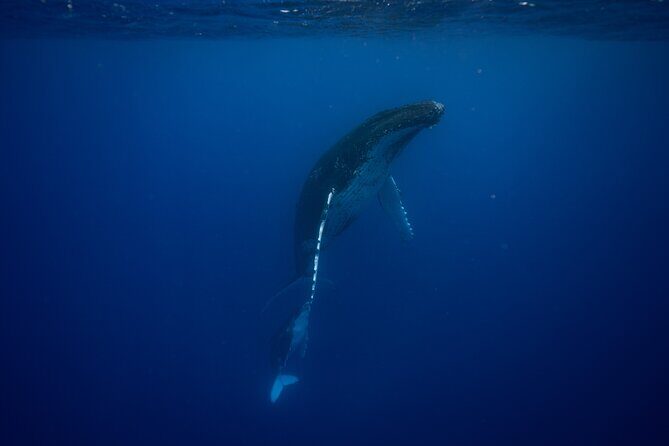
A lot of whale-watching tours feel like a gamble that you simply wait out. This one feels more like skilled searching. The guide team actively looks for signs, and once they find activity, they manage the interaction so you get the best possible experience without stressing the animals.
From what you can expect, the day can swing from quiet to exciting fast. One day you might be seeing breaching and fin-flapping. Another day you might only get brief surfacing before the whales shift location. That’s why patience is not a cute talking point. It’s the actual skill that turns the outing from frustrating to magical.
Ivy is repeatedly mentioned for being energetic and for identifying whale activity even underwater. That matters because humpbacks aren’t always easy to spot at the surface. Underwater cues and behavior recognition help the team place you where you’ll actually see the next breath or the next movement that makes a swim worthwhile.
You’ll also hear plenty of whale facts during the trip—practical knowledge that helps you understand what you’re looking at, not just the usual big-picture statements. If you like learning while you’re on the water, this tour gives you that.
Snorkelling Launches in Open Ocean: What You’ll Need to Do
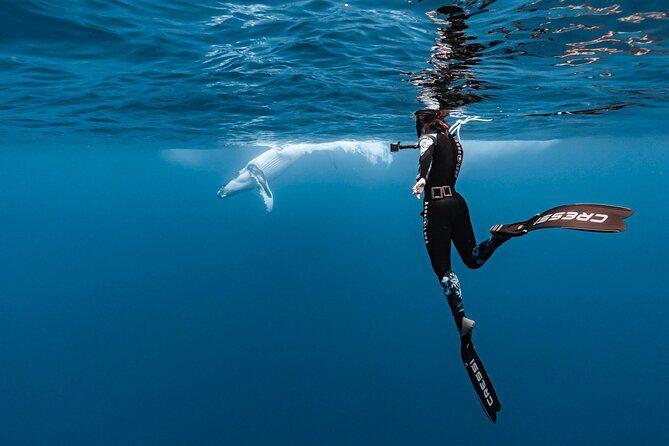
When conditions allow and the whales’ behavior works with the plan, you’ll have the chance to snorkel. But this is not a calm-lagoon paddle. Reviews and the tour info point clearly to open-ocean launches, and the team emphasizes safety around real sea conditions.
Here’s what you should know before you show up:
- You need to be comfortable with fins and a snorkel mask for getting in the water.
- You must be able to climb back up the boat ladder—this is required for launches into both ocean and lagoon settings.
- You should be in good physical shape, including the ability to swim about 300 meters autonomously for ocean launches.
- For ocean launches, there’s a minimum age of 15.
What does that mean for you in practice? If you’re a confident swimmer who’s used to ocean conditions, you’ll feel more in control. If you’re newer to snorkeling with fins, you may find the pace and distance more demanding than you expected.
What if the sea is rough or visibility is limited?
This tour is weather-dependent, and the sea can be rough. Even with great guides, visibility can drop and underwater visibility can be medium-good. When that happens, you might see whales from the surface more than you’ll see them underwater while snorkeling.
The guide still tries to make it happen, and you still get whale time. But the priority stays the same: safety for you and respect for the whales. In rough water, it may simply not be the right moment for the full swim plan.
You can also read our reviews of more snorkeling tours in Moorea

You don’t have to get in the water
One of the best practical points: you can choose not to snorkel. If you’re more comfortable watching from the boat, you’ll still experience whale behavior up close from the surface. This is especially useful if you get seasick or you’re conserving energy for later in the day.
What the Snorkel Experience Feels Like: Multiple Swims and Real Encounters
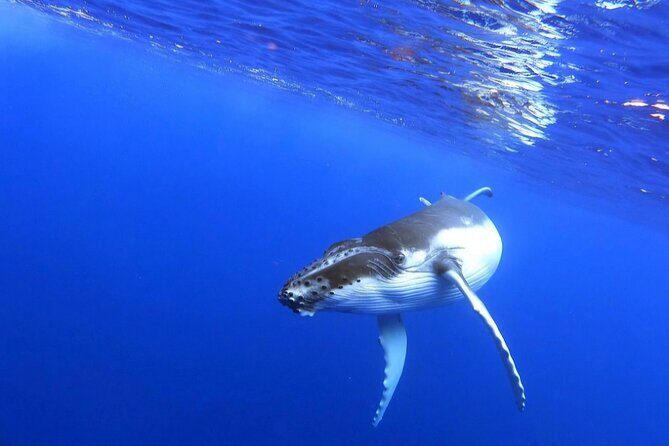
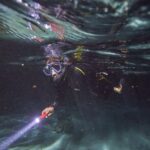
When the day lines up, the snorkeling experience can be extraordinary because you’re not just one quick splash. You may do multiple swims—some days people report being in the water three times—and it happens at different whale locations if the team keeps finding fresh sightings.
You’re guided during launches, and an aquatic guide supervises your entry and movement for safety and animal welfare. That supervision is part of what keeps the experience smooth, especially if the sea is moving. You’re not left to fend for yourself while trying to spot a whale in shifting water.
If you’re lucky, you’re swimming alongside a humpback in a way that makes you forget the schedule. People describe mothers and calves passing very near, male humpbacks singing, and the sheer emotion of seeing breathing patterns up close while you’re in the water.
One thing to calibrate your expectations: not every swim ends with you directly next to the whale’s favorite lane in the water. Sometimes the whale is there, but the swell or underwater visibility limits what you can clearly see. The team still works to position you for the best possible viewing, but nature doesn’t always cooperate.
If you do manage to swim near a whale, you’ll likely remember the moment you hear the sound of what humpbacks are doing—singing, moving, and surfacing. Some of the most memorable moments come from that mix of sound and proximity.
Safety and Whale Etiquette: Why This Tour Feels Respectful
The tour clearly frames whale watching in terms of compliance with regulations, and the real-world vibe matches that. The guides focus on safety and animal welfare, including how they interact with whales and how they manage distance from other boats.
You’ll feel this in how quickly the team reacts to whale behavior. If the whales move, the captain positions accordingly. If the whales pause, the team takes advantage of that moment without crowding. And if water conditions aren’t right, they don’t force a risky launch just because you want a swim.
This is also why small-group size helps. It reduces crowding pressure. It makes it easier to follow animal-focused rules. It also keeps the guides from having to divide their attention too much.
Price and Value: Is $230.78 Worth It for Four Hours?
At $230.78 per person for about 4 hours, this isn’t a cheap activity. But it is positioned like a serious, guided whale experience with real operating costs: a captain running out in open ocean search conditions, gear for snorkeling, and guided launches that take effort and risk management.
What you’re paying for is not only whale possibility. You’re paying for:
- Small-group attention (max 6)
- Guide-led supervision during launches
- Gear support such as wet suits and snorkel equipment
- A longer on-water window than many short tours
- A team that tries for multiple swim chances when the conditions allow
Value is personal. If you mainly want a quick boat ride and a casual swim, you might feel this is pricier than necessary. If you want a whale-and-snorkel day run like a professional operation—with the best shot at a true swim near humpbacks—this price starts to make more sense.
Also, if the day turns out rough for swimming, you’re still getting whale watching time. And if the tour can’t run due to weather, you’ll be offered another date or a full refund. That reduces the risk of paying for a day that never really happens.
Who This Tour Suits Best (And Who Should Think Twice)
This is a strong fit if you:
- Are a strong swimmer and can handle ocean conditions
- Are comfortable with snorkel gear and fins
- Want a whale day with a real chance of swimming, not just watching from the boat
- Like learning while you’re doing something active on the water
- Prefer a smaller, more intimate group
It might be a tough fit if you:
- Are not comfortable climbing back onto a boat ladder
- Don’t meet the swim stamina expectation (about 300 meters for ocean launches)
- Get motion sick easily and don’t plan for it
- Want a fully guaranteed snorkeling session regardless of sea conditions
If you’re on the fence, be honest about your comfort level with open-ocean snorkeling. The best whale encounter in the world is less fun if you’re struggling through basic logistics.
Should You Book This Whale Watching and Snorkelling Tour?
If I were helping a friend decide, I’d tell you to book it if you match the basics: good fitness, confident swimming, comfort with mask-and-fins, and willingness to go out even when the sea gets a little rough.
Here’s the practical upside: this tour is set up for real whale time, with a tight group, skilled guides, and multiple chances to get into the water when conditions are right. If you’re lucky, you’ll swim with humpbacks and maybe catch extra wildlife like dolphins and sea turtles along the way.
The main reason to hesitate is the same reason to respect it: you can’t force whale behavior or ocean conditions. Some days are more boat-based than swim-based. But if you want the best blend of searching skill, safety focus, and the chance for a genuine snorkeling encounter, this is a solid choice for Moorea.
FAQ
How long is the Moorea whale watching and snorkelling tour?
It runs for about 4 hours.
What is the price per person?
The price is $230.78 per person.
What are the group size limits?
The tour has a maximum of 6 travelers.
Do I need to snorkel in the water?
No. You can choose to stay in the boat if you don’t want to get in the water.
What fitness or swimming skills are required?
You should have good physical conditions for launching, be able to swim about 300 meters autonomously for ocean launches, and be able to climb back onto the boat ladder.
Are there age requirements for ocean launches?
Yes. Ocean launches require participants to be over 15 years old.