REVIEW · MOOREA
Whale watching 6 people half day
Book on Viator →Operated by Mori Ora · Bookable on Viator
Six people, whales, and real respect.
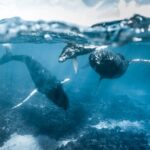
This half-day cruise in Moorea is built for close, calm wildlife viewing with an experienced crew that reads animal behavior and makes gentle approaches when conditions allow. The small size (max 6 travelers) is the big draw, because it keeps everyone focused on what’s happening in the water, not what’s happening around you.
Two things I like a lot: first, the emphasis on animal-friendly behavior. You’re briefed on how to enter the water and how to act once whales show up, and the crew adjusts plans based on what the animals are doing (singing males, love parades, calves or no calves). Second, I appreciate that the experience is flexible—duration can run about 3 to 4 hours depending on weather and whale activity.
One thing to consider: swimming isn’t guaranteed, and the ocean has its say. If you get seasick easily or you’re not comfortable snorkeling with fins, you’ll want to plan for watching from the boat instead.
In This Review
- Key highlights you should care about
- Moorea Marina, small-group comfort, and quick starts
- The animal-friendly approach: how it affects your whale encounter
- How the 3–4 hours typically plays out on the water
- Besides humpbacks: other marine life you might see
- Swimming with fins: the fitness reality check (and the easier option)
- Crew names, guide style, and safety that feels calm
- Price and value: what you’re really paying for
- Weather, sea conditions, and why timing matters
- Who should book this Moorea whale swim tour
- Should you book it or not?
- FAQ
- How long is the whale watching tour in Moorea?
- What’s the group size?
- Where do we meet in Moorea?
- Will I be able to swim with the whales?
- Do I need to be a strong swimmer?
- What marine animals could we see besides humpback whales?
- When will I receive confirmation after booking?
- What if the weather is bad?
- What should I do if I get seasick?
Key highlights you should care about
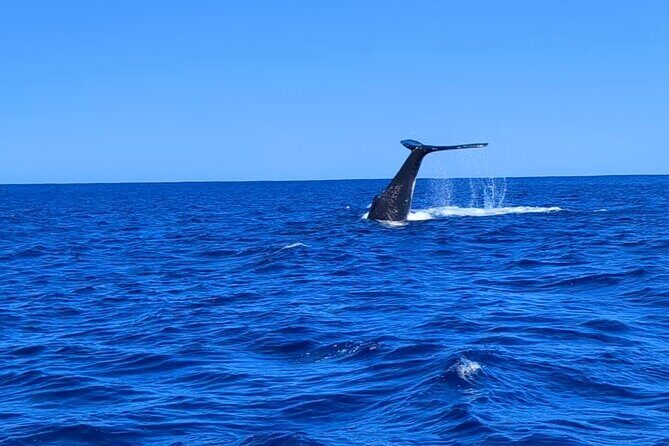
- Max 6 travelers means more attention per person and a quieter experience on the water
- Naturalist-led safety + behavior briefing before you enter the ocean
- Gentle approach style built around what whales are doing (resting, singing, calves nearby)
- Optional swim/snorkel with fins when conditions permit; non-swimmers can stay aboard
- Not just humpbacks you might also spot dolphins, sperm whales, or seabirds depending on the day
Moorea Marina, small-group comfort, and quick starts
Your day begins at Moorea Marina (BP 1173, Opunohu) and ends back there. That “same place out, same place back” layout matters in Moorea because half-day tours can otherwise feel like you’re spending most of the time transferring or waiting.
This is also the kind of tour where the group size changes the vibe. With up to 6 travelers, you’re less likely to feel like you’re part of a production line. It’s easier for the guide to manage spacing in the water and easier for you to hear instructions when the boat is moving.
You’ll use a mobile ticket, so have your confirmation ready on your phone.
You can also read our reviews of more whale watching tours in Moorea
The animal-friendly approach: how it affects your whale encounter
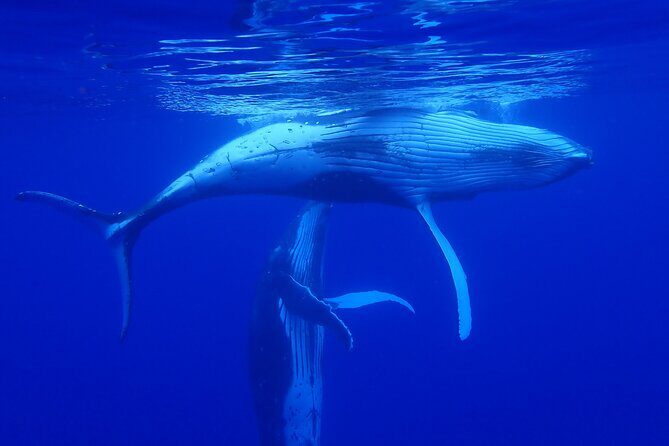
The company’s pitch is clear: a respectful crew with an experienced naturalist who studies animal behavior and approaches gently when conditions allow. That’s not just marketing talk. In practice, it means the tour is designed around whales as living animals with choices—not something to chase in a loud, constant sprint.
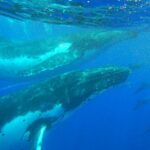
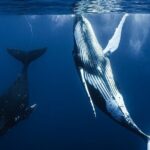
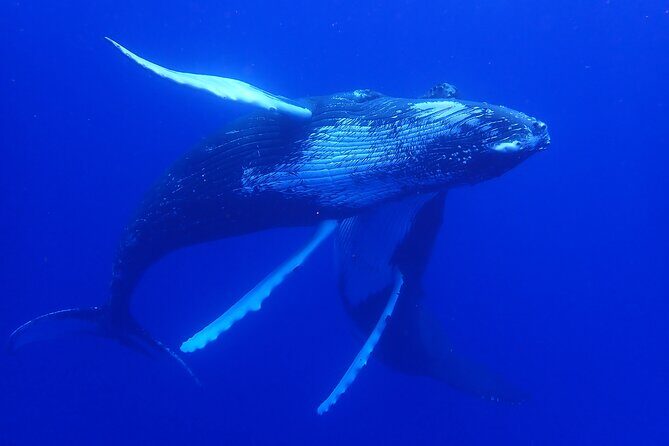
You can also expect variety in what the crew looks for. Humpback whales in Moorea can show up alone, in groups, at rest, or with calves. Some days include a singing male, and other days might bring what the guide describes as social behavior like love parades or males trying to seduce a female. The tour is set up so you’re watching for patterns, not just waiting for a single “big moment.”
And there’s an important honesty built in: swimming is never guaranteed. That’s actually a good sign for an animal-friendly operation. If the ocean or the whales don’t cooperate, they still give you a strong wildlife-viewing experience from the boat.
How the 3–4 hours typically plays out on the water
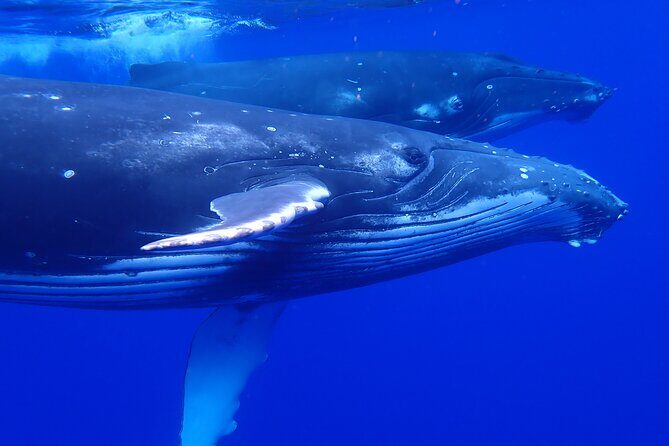
The timing is flexible by design. You should plan on about 4 hours (approx.), but the schedule can slide to closer to 3 hours depending on weather conditions and animal activity.
Here’s the flow you should expect:
- Check-in and meet the crew at Moorea Marina
- A safety briefing and clear instructions for what to do in the water (especially if you plan to snorkel)
- Head out to search for whales, with the guide actively sharing what you should be looking for
- If conditions permit, you may get the chance to launch and gently approach the whales
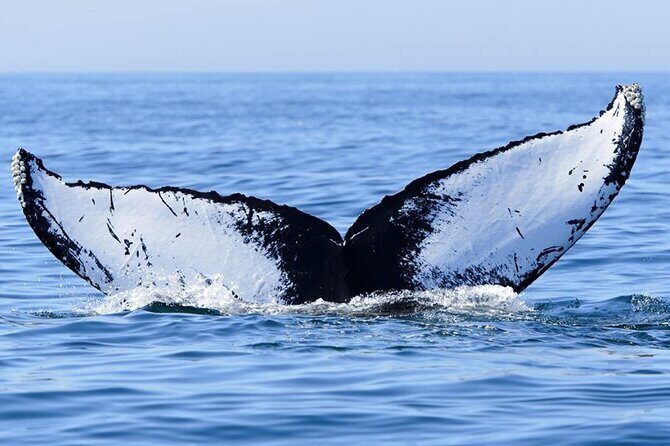
- Time in the area can include multiple whale moments: surface behavior, tail slaps, singing, and groups coming together
- For swimmers, the goal is a calm, controlled snorkel experience with fins; for non-swimmers, the goal is clear viewing from the boat
One detail I really like: the crew doesn’t just narrate sightings after the fact. They talk during the search and use the behavior they observe to guide what happens next. It makes the waiting feel useful, not empty.
Besides humpbacks: other marine life you might see
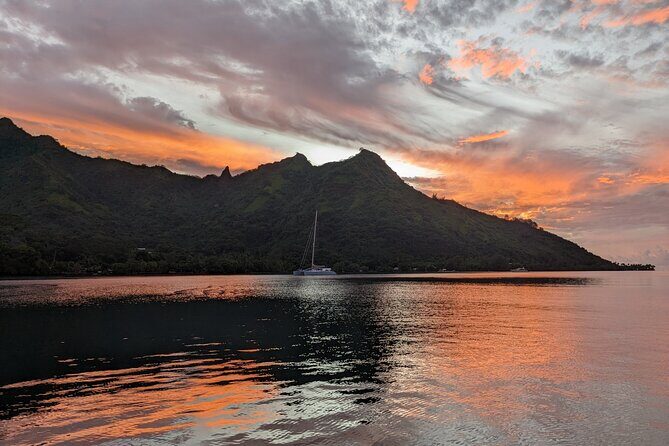
Humpback whales are the headline, but this tour is built on the idea that Moorea’s marine scene can change fast. The operator notes the possibility of other marine mammals and ocean wildlife, and the real world matches that:
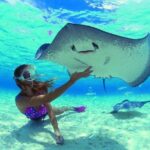
You might see gloricles (noted in the tour description), long-billed and narrow-billed dolphins, sperm whales, and even wildlife like flying fish and hunting seabirds. Some days feel like a “whale watch” in the strict sense. Other days feel more like an ocean safari where whales are the big target but not the only prize.
That matters for value. When you’re paying premium pricing, it helps if the tour doesn’t stop counting the moment the humpbacks are gone. Here, the crew keeps scanning for the day’s best opportunities.
Swimming with fins: the fitness reality check (and the easier option)
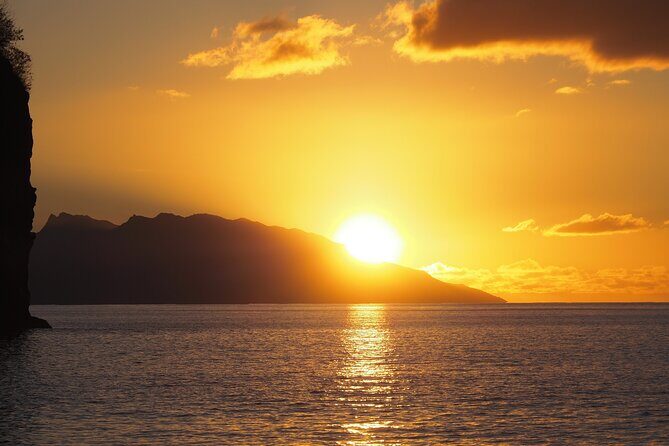
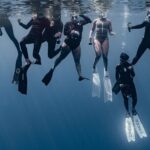
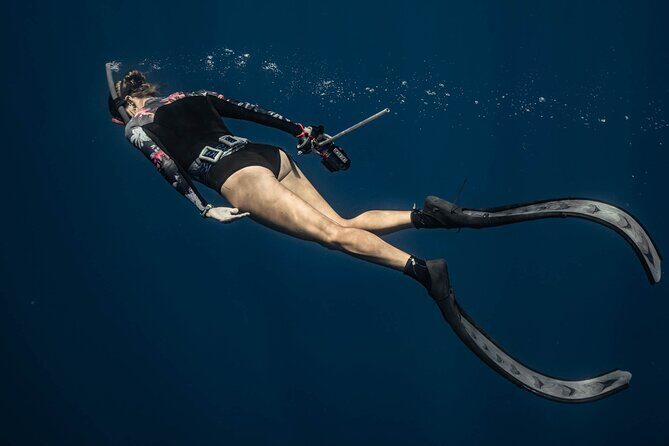
This is not a lounging-on-a-catamaran tour. It’s a marine encounter built around snorkeling with fins when the moment is right. The tour guidance calls for comfort in the open ocean and good physical condition, especially for swimming with fins.
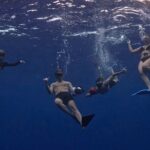
If you meet those requirements, you can aim for the classic dream moment: being in the water near humpbacks while the guide manages safe, respectful spacing.
If you’re not up for swimming, that’s still okay. The plan includes a clear alternative: non-swimmers can observe the animals from the boat, and you’ll still hear the guide’s info about what you’re seeing—like singing behavior or how animals position themselves.
From practical experience (and it lines up with the tour notes), the difference usually comes down to two things:
- Can you stay comfortable in moving open water while equipped with mask and snorkel?
- Do fins feel normal to you, not like a chore?
If either answer is no, you’ll likely enjoy the boat-viewing experience more than you expect.



Crew names, guide style, and safety that feels calm
You’re not just buying a boat ticket. You’re paying for expertise and calm decision-making in a place where wildlife shouldn’t be treated like a prop.
In past departures, guides have included people like Doris and Jay. Captains named in this operator’s experience include Sebastian, and other crew names you may hear include JP and Anaïs. The consistent thread isn’t just names—it’s the style: patient, gentle, and focused on respectful animal behavior.
The guide is also set up for questions. The tour description specifically mentions that the naturalist guide shares knowledge about cetaceans and answers questions. That’s a big deal if you want more than a “look, there’s a whale” moment.
And safety matters here. You should expect a safety briefing before anyone enters the ocean. The guides also manage the experience so that even when whales are active—breaching, circling, or changing positions—you’re not left guessing what to do.
Price and value: what you’re really paying for
At $273.29 per person for a half-day, this sits in the “serious experience” category. The value isn’t only the whales. It’s the combination of:
- Small group size (max 6)
- Experienced crew and naturalist-led explanations
- A focus on gentle approaches rather than maximum chaos
- Real time on the water, typically 3 to 4 hours
If you’re comparing whale tours, don’t just compare the ticket price. Compare the experience structure: how many people are in the water at once, how often you get controlled entries, whether you get a true briefing, and whether the operation is willing to shift plans if conditions or animals demand it.
Also, the tour’s “no swim guarantee” is worth taking seriously. It means you’re not paying for a promised action shot. You’re paying for a guided hunt for whales plus the option to swim when it’s appropriate.
Weather, sea conditions, and why timing matters
This is a weather-dependent tour. If the sea state makes it unsafe or the conditions aren’t right, the operator may cancel and either offer another date or a full refund. That’s one of those “small print” realities that’s actually good to see. It signals they care more about conditions than about pushing everyone out no matter what.
For you personally, the most common concern in this kind of outing is seasickness. One of the clearest bits of advice from the experience history is simple: if you tend to get sick on boats, take precautions beforehand. In other words, don’t wait until you feel terrible.
If you’re unsure, pack what you need for an open-water outing—extra comfort items you already know help you. The ocean doesn’t care about your itinerary.
Who should book this Moorea whale swim tour
This tour is a strong fit if you want:
- A small-group whale experience
- A guide who talks about cetacean behavior, not just sightings
- The option to snorkel with fins in calm, controlled conditions
- A day built for multiple possibilities—singing males, calves nearby, dolphin sightings, and more
It’s a weaker fit if:
- You want a fully relaxing, guaranteed swimming experience
- You get very seasick even with precautions
- You dislike open-water snorkeling basics (mask/snorkel/fins)
Should you book it or not?
I’d book this if you’re the type of traveler who remembers the how as much as the what. The small group size and animal-respect approach matter, and the chance for real swim time (when conditions allow) makes it feel like more than a drive-by.
I’d hesitate if swimming with fins sounds like a struggle. In that case, you can still have a great boat-viewing experience, but you’ll need to be comfortable with the idea that the highlight might be from the deck rather than in the water.
If you like structure, safety briefings, and a crew that focuses on whale behavior, this is the kind of Moorea tour that earns its place on your schedule.
FAQ
How long is the whale watching tour in Moorea?
The tour runs about 4 hours approximately, but the duration can vary between 3 and 4 hours depending on the weather and animal activity.
What’s the group size?
This activity has a maximum of 6 travelers, which helps keep the experience more personal.
Where do we meet in Moorea?
The meeting point is Moorea Marina, BP 1173, Opunohu 98729, French Polynesia. The tour ends back at the meeting point.
Will I be able to swim with the whales?
Swimming is not guaranteed. If conditions permit, the crew may launch and gently approach the whales, and swimming/snorkeling may be possible.
Do I need to be a strong swimmer?
The tour requires good physical condition and comfort in the ocean with fins, mask, and snorkel. Non-swimmers can still observe whales from the boat.
What marine animals could we see besides humpback whales?
The tour notes possibilities such as dolphins (including long-billed and narrow-billed), sperm whales, flying fish, and hunting seabirds, along with humpback whales.
When will I receive confirmation after booking?
Confirmation is received within 48 hours of booking, subject to availability.
What if the weather is bad?
This experience requires good weather. If it’s canceled due to poor weather, you’ll be offered a different date or a full refund.
What should I do if I get seasick?
If you tend to feel boat sick, the practical advice is to take your seasickness pills beforehand and plan for open-water motion.