REVIEW · TAHITI
Papeete and Tahiti Historical and Cultural Tour
Book on Viator →Operated by FAATI CITY · Bookable on Viator
Tahiti history gets personal fast. The best part is how Christian ties Polynesian culture to what you see today, city streets to island life, in a short, practical ride. I also like the on-time, safe pickup and the way the route can be tuned to your interests. One caution: if your dream stop is the market, ask ahead, since it can be closed for cleaning.
You’ll meet at Office du Tourisme in Papeete’s waterfront area, then split your time between the Papeete city center and a longer island drive/stop on Tahiti. The group is kept small (max 8), and you can choose whether to explore the East or the West side around Papeete from the Mahina to Paea area.
In This Review
- Key highlights worth planning for
- A local-guided sweep of Papeete and Tahiti
- How the 2- to 3-hour route actually unfolds
- Block one: Papeete city center (about 1 hour)
- Block two: Tahiti from the urban edge (about 2 hours)
- Total time: expect about 2 to 3 hours
- Christian’s guiding style: history that connects to today
- Papeete city center: what you’ll likely focus on
- East vs West Tahiti: choosing the right side of the island
- Price and value: why $139.68 can still make sense
- Getting there: meeting point, pickup, and keeping the day smooth
- Weather is not optional: plan around good conditions
- Who should book this tour (and who might skip it)
- Should you book the Papeete and Tahiti Historical and Cultural Tour?
- FAQ
- How long is the Papeete and Tahiti Historical and Cultural Tour?
- What is the price per person?
- Is pickup offered, and where do I meet?
- How many people are in the group?
- Are admission tickets included for the stops?
- What happens if the weather is bad?
Key highlights worth planning for
- Christian’s local storytelling: Past and present connect to everyday life on Tahiti, not just dates and names
- Choose East or West Tahiti: You pick the direction around Papeete, so the day fits your curiosity
- Small group size (up to 8): Easier questions and a more human pace than big buses
- Free admission for the tour stops: The ticket piece is marked free, so your extra costs stay low
- Flexible stops in Papeete city center: You can guide where you spend your first hour based on what you want most
- Weather-dependent day: The experience requires good conditions, so you should keep your schedule flexible
A local-guided sweep of Papeete and Tahiti
This is the kind of tour that works when you want context fast. Papeete is the main hub on Tahiti, so it can feel like a blur of waterfront, streets, and cruise-shore traffic. This tour gives you a way to slow down and understand what you’re actually looking at, from local daily rhythms to cultural touchpoints that explain why the place looks the way it does.
The driver-guide team matters here. Christian comes across as the real deal: lived in Papeete, long experience in tourism, and a clear, friendly way of explaining both history and the present. Even when the day is short, the storytelling doesn’t feel like a lecture. It feels like someone showing you the threads that connect Polynesian tradition, French Polynesia’s modern life, and the geography of the island.
Two things I especially appreciate:
First, the tour is personalized without feeling chaotic. You’re not just following a fixed checklist. You can express what you care about most, and the plan can lean that way.
Second, the logistics are handled with a safety-first mindset. People emphasize both punctual pickup and a careful approach to driving, which matters a lot on an island road network where your time is limited.
The main downside is simple: if you’re planning your day around one specific stop like a market, you should confirm whether it fits on your exact schedule. One guest missed a market visit because it was closed for cleaning, and that’s a good reminder that island schedules don’t always match your cruise-day expectations.
You can also read our reviews of more tours and experiences in Tahiti.



How the 2- to 3-hour route actually unfolds
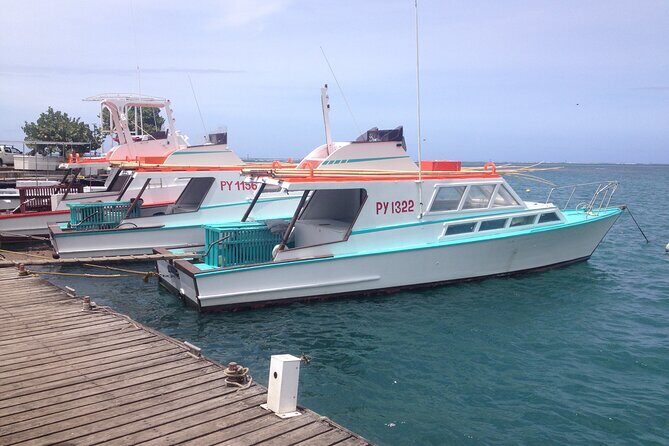
Think of this as two blocks, with choices built in.
Block one: Papeete city center (about 1 hour)
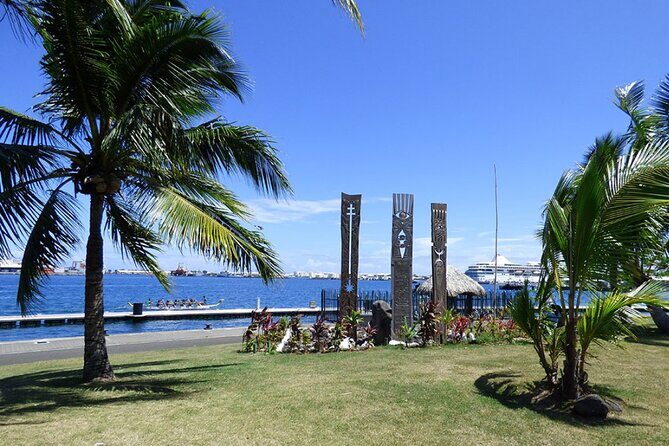
You start in Papeete at the Office du Tourisme area by the waterfront. That’s a smart meet-up point because you’re already near the part of town most people use as their base: the commerce zone and the front de mer area.
From there, the city-center portion is flexible. You don’t get a rigid, “one size fits all” walk. Instead, your guide selects one or more places so you get the aspects of Papeete that match your curiosity. That could mean focusing on cultural life, civic identity, or the everyday texture of town. The point is that you’re using an hour efficiently, not trying to see everything.
If you’re the type who likes to get your bearings fast, this part is perfect. You’ll have a clearer mental map of where you are and how the town relates to the rest of Tahiti.
Block two: Tahiti from the urban edge (about 2 hours)
Then the tour shifts to Tahiti beyond the densest central core. You choose either the East or the West side around Papeete. The coverage runs through a broad urban-to-neighborhood arc extending roughly from Mahina to Paea.
What makes this portion practical is the “between districts” concept. You’re not driving deep into a single scenic pocket for a single view. Instead, you’re shown how the island’s different areas feel and function as part of island life around the main city.
This is where you tend to learn the most about how Polynesian culture lives in the present. Places and stops are adjusted to your preferences, so if you lean more cultural or more historical, the guiding direction can shift.
Total time: expect about 2 to 3 hours
Most combinations land around 3 hours, because it’s 1 hour plus about 2 hours. But the tour is designed to be manageable. It’s long enough to create understanding, short enough to still work on a day with other plans.
If you’re arriving by cruise, this timing can be a good match because it respects the reality of shore schedules. Just keep in mind it’s weather-dependent.



Christian’s guiding style: history that connects to today
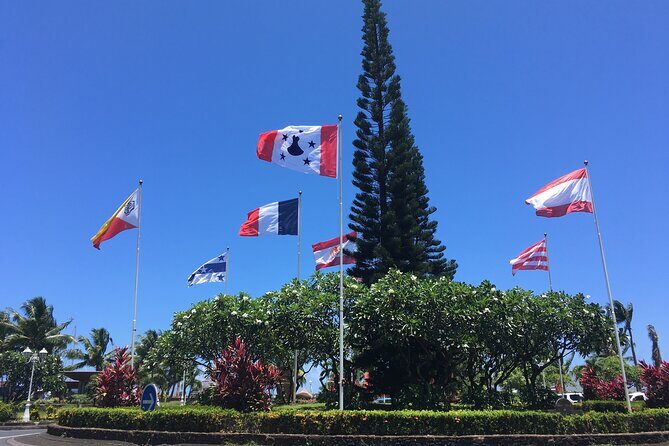
The reason this tour earns top marks is the human factor: Christian doesn’t just recite what happened. He connects it to what you can still see, smell, hear, and experience now.
Here’s what you’ll notice in his approach:
- He can handle both the past and the present, in the same conversation, without making it confusing.
- He adapts to your energy and interests. If you want a smoother pace, he works with that.
- He keeps the tone warm and conversational, not robotic.
You’ll also get a sense of why “local guide” matters. Christian’s explanations come from a long relationship with Papeete, not just a stack of guidebook facts. That means you get the cultural logic behind things, like why certain patterns show up where you’re looking, and how modern life still carries Polynesian roots.
And yes, people note the safe driver part. You’re in a vehicle for the Tahiti portion, so you want confidence behind the wheel. It’s a small thing that can make the whole day easier, especially if you’re not used to driving in a tropical setting.
Papeete city center: what you’ll likely focus on
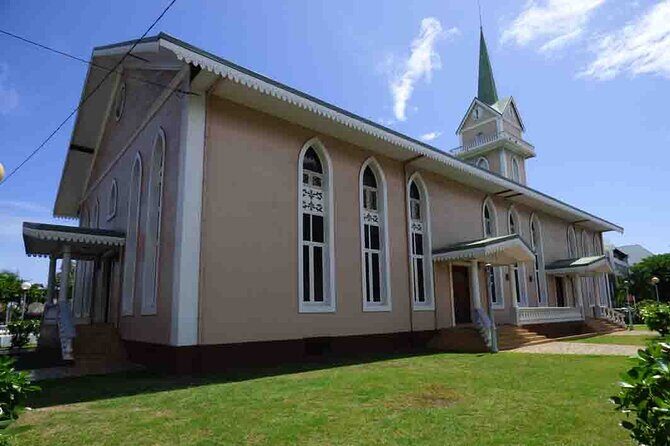
Because the first hour is chosen based on your curiosity, your experience will feel customized right away. That’s a big advantage compared with tours that force everyone down the same route.
In practice, this portion is best for:
- Getting orientation fast: you’ll learn the structure of town and what areas tend to matter.
- Understanding local life: you’ll hear context about the day-to-day rhythms of Papeete.
- Building a mental map: after this, you’ll know where to go on your own for the rest of the day.
If you have a specific interest—culture, history, or how Papeete functions as the gateway to Tahiti—raise it at the start. The tour is set up to respond.
One more note for planning: if a market visit is part of your personal wish list, make sure it’s on your guide’s radar early. One traveler expected the market but it was closed for cleaning during their visit. If that’s important to you, you’ll sleep better having it confirmed.
East vs West Tahiti: choosing the right side of the island
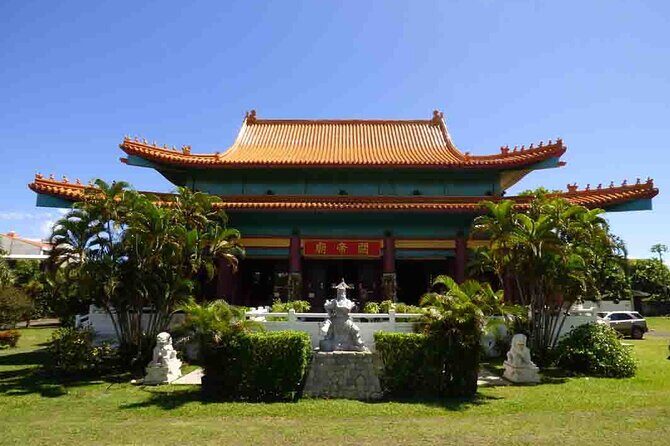
The East/West option is more than a quick fork in the road. It shapes the feel of the tour.
If you choose the East side around Papeete, you’ll spend your 2-hour Tahiti block seeing areas in that direction, between Mahina and Paea. That means your stops and the story told by the guide will follow that side’s character.
If you choose the West side, you’ll get a different sweep around the city’s edge. The same basic structure applies—driving and stopping around the urban belt—but your route and emphasis will change.
How to decide?
- Pick the side that matches what you’ve already seen on the island on your own. If you’ve spent the morning wandering one direction, balance it with the other.
- If your curiosity is about a particular type of local setting, ask your guide which side tends to fit those interests best. The tour is built around personalization, so your question matters.
Price and value: why $139.68 can still make sense
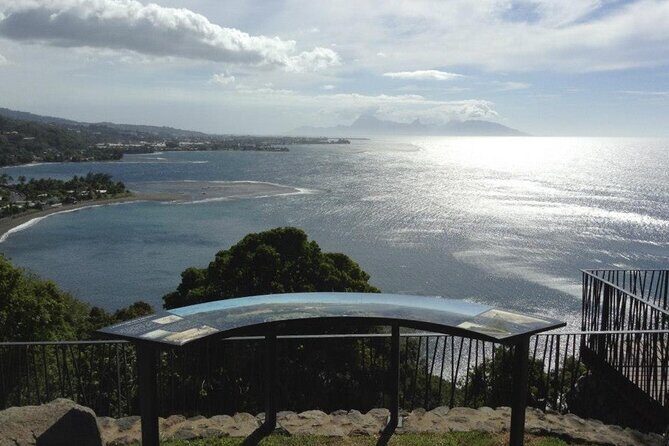
At $139.68 per person, you’re paying for a guided, small-group experience that covers both Papeete and a broader stretch of Tahiti around the city.
For the money, you’re getting:
- A local guide with real day-to-day familiarity with Papeete and island culture
- Transportation for the Tahiti portion
- A small group (max 8), which often reduces the feeling of being herded
- Free admission marked for the tour stops listed as ticket-free
Is it the cheapest option? No. But it’s also not a long, all-day tour where you’re paying for extra hours you don’t need. This is the sweet spot: enough time to get context and enough control to keep your plans moving.
The real “value” question for you is whether you’ll benefit from interpretation. If you like figuring out what you’re seeing, this tour pays off. If you just want a fast photo-op circuit, you might do fine on your own.
Also, the ability to customize and choose East vs West means you’re not locked into a generic route. That flexibility is part of what you’re paying for.
Getting there: meeting point, pickup, and keeping the day smooth
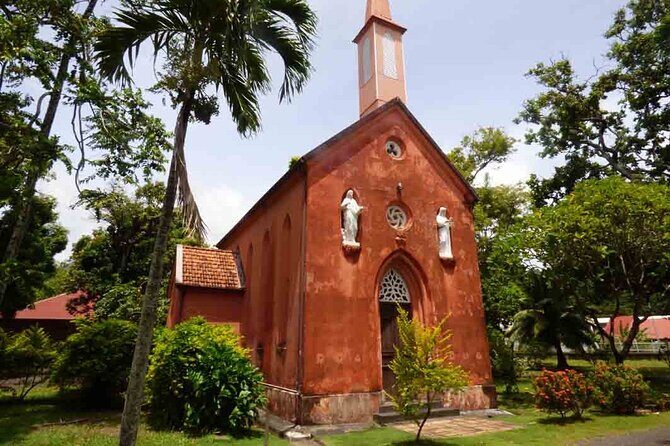
The meet-up is at Office du Tourisme in Fare Manihini, at the front de mer in Papeete’s commerce area. The tour ends back at the meeting point, which is convenient if you plan to continue your day in town.
Pickup is offered, which is a big deal in a place like Tahiti where getting to the right area can eat into your limited sightseeing time. If you’re staying outside the core area, confirm pickup details ahead of time when you book.
The tour is near public transportation as well, so even if pickup isn’t your plan, you’re not stuck far from an option to reach the meeting point.
You’ll also use a mobile ticket, and you’ll receive confirmation at booking time. That keeps things simple when you’re juggling cruise schedules or multiple island activities.
Weather is not optional: plan around good conditions
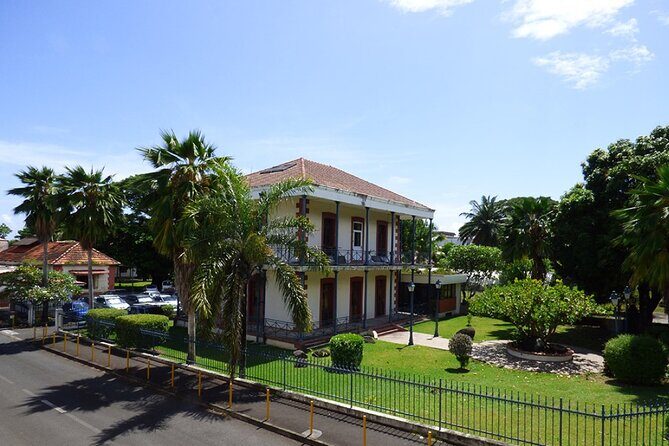
This experience requires good weather. That’s not just “might happen.” It’s a condition for the tour itself. If conditions aren’t right, you’ll need to reschedule or get a refund.
So treat this tour like a slot that you should place on a day with fewer tight commitments. If you already know your schedule is packed, you might feel safer reserving the tour early in the trip, when you have more room to swap dates.
Who should book this tour (and who might skip it)
This is a great match if:
- you want a cultural and historical lens without spending an entire day
- you prefer a guide who explains what you see in everyday language
- you like small groups and the chance to steer the route based on your interests
- you want to balance Papeete orientation with a wider look at Tahiti around the city belt
You might skip it if:
- you only want beach time or views and you don’t care about interpretation
- you’re strictly focused on a specific activity like a market visit and you don’t want any uncertainty (ask your guide early)
If you’re on a cruise, this tour’s duration can be a strong fit because it respects limited shore time. Still, put it on a day that has flexibility for weather.
Should you book the Papeete and Tahiti Historical and Cultural Tour?
I’d book it if you want real context in a short window. Christian’s guiding style, the personalization, and the safe, smooth handling of the day are the big reasons. You’ll come away with a clearer sense of how Papeete works and how the island’s culture shows up beyond the most obvious stops.
Book it with one mindset: this is about understanding local life, not ticking off a long list. If that matches your travel style, you’ll likely feel like the time was well spent.
If your priority is a market visit or a very specific site, message your provider before you go and confirm whether it can be worked into your version of the route. That one small question can save a lot of disappointment.
FAQ
How long is the Papeete and Tahiti Historical and Cultural Tour?
The tour runs about 2 to 3 hours.
What is the price per person?
It costs $139.68 per person.
Is pickup offered, and where do I meet?
Pickup is offered. The meeting point is Office du Tourisme – Fare Manihini – Front de Mer de Papeete, and the tour ends back at the meeting point.
How many people are in the group?
This tour has a maximum of 8 travelers.
Are admission tickets included for the stops?
Admission is listed as free for both the Papeete and Tahiti portions.
What happens if the weather is bad?
The experience requires good weather. If it’s canceled due to poor weather, you’ll be offered a different date or a full refund.