REVIEW · BORA BORA
2 Dives in the morning for certified divers in Bora Bora
Book on Viator →Operated by BORA DIVING CENTER (by Eleuthera) · Bookable on Viator
Mantas and sharks start early in Bora Bora. I love the small-group feel (up to 5 certified scuba participants) and the fact you get two morning underwater site trips matched to your comfort level. I also like how the crew and guides focus on safety and respectful wildlife viewing—including reports of no baiting and no chasing of manta rays. One possible drawback: you need to be an active certified scuba participant (your last session must be within the last year) and be comfortable with the allowed depth up to 18 meters/60 feet.
From the moment pickup happens, this runs like a well-timed morning routine. You’ll either ride by car or head to the boat quickly, then spend roughly 4 hours total on two different sites (usually one in the lagoon and one outside the reef), with hot tea and cookies between tank times.
In This Review
- Key things I’d lock in before you go
- The real appeal: two sites, small group, and a calm morning pace
- How the morning schedule works (and why it matters)
- Lagoon one, outside-reef one: what you’re signing up for underwater
- The scuba boat experience: why the ride feels easier than you’d expect
- Your guide and safety culture: what shows up in the best reviews
- What you can realistically expect to see: mantas, sharks, and reef life
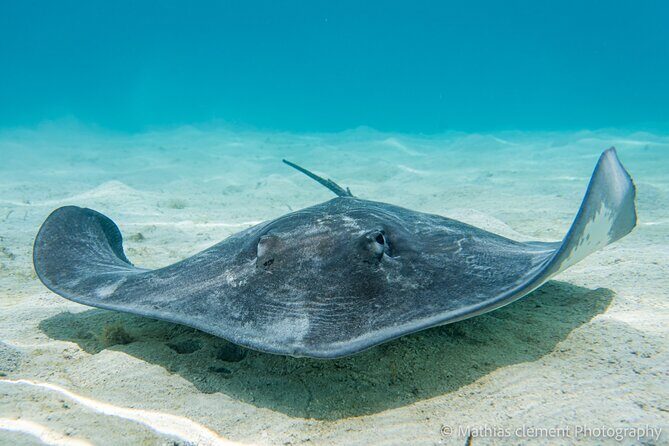
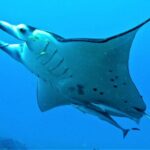
- Manta rays: the headline act
- Sharks and other big animals
- Reef life: the extras that make the trip feel complete
- Gear, equipment, and the Nitrox perk
- Who this fits best (and who should think twice)
- Is $235.69 good value for two morning site trips?
- Should you book this morning program?
- FAQ
- Do I need to be a certified scuba participant?
- What depth am I allowed to reach?
- How recent does my last scuba session need to be?
- What is the minimum age?
- How many people are in the group?
- How long are the two underwater site trips?
- What’s included in the price?
- What happens if the weather is bad?
Key things I’d lock in before you go
- Up to 5 people means real instructor attention: you’re not lost in a crowd.
- Two separate underwater sites in one morning: typically lagoon in one, reef/outside conditions in the other.
- Short, focused tank times: each session is about 45–60 minutes at around 15–20 meters.
- Refreshment break between sessions: fresh water, hot tea, and cookies help you reset.
- Nitrox is free for certified users: ask when you book if you’re set up for it.
- Respect-first wildlife policy shows up on the water: multiple reviews highlight no baiting and no chasing.
The real appeal: two sites, small group, and a calm morning pace
In Bora Bora, you can burn a whole day on water. This format is smarter: two structured underwater site trips, back-to-back in the morning, with a proper break in between. The point isn’t just seeing sea life. It’s getting enough time underwater that your brain feels settled and your body stops fighting the logistics.
What I like most is the max-5 setup. With smaller groups, you spend less time waiting around and more time watching what’s right in front of you. Reviews also repeatedly name guides like Niki, Pascal, Nicholas, Flo, Arthur, and JP, and the common thread is calm guidance plus consistent safety checks.
One thing to keep in mind: the schedule is built around conditions. The operator says they check conditions to choose the best sites, so you should expect a plan that adapts to water and weather rather than something rigid no matter what.
You can also read our reviews of more scuba diving tours in Bora Bora
How the morning schedule works (and why it matters)
This trip runs in the late-morning window from 7:30 AM to about midday, ending back at the meeting point. The total experience is roughly 4 hours, which makes it a good fit if you want your Bora Bora day to still include beach time afterward.
Here’s how your morning typically flows:
- Pickup and fast transit: you’ll be picked up by boat or by car depending on where you stay. The operator also mentions that they may pick up additional divers along the way and tries to keep the ride to the dive spot as quick as possible.
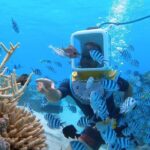
- Two separate underwater site trips: your first site is often in the lagoon and the second is often outside the reef.
- Between-site break: fresh water, hot tea, and cookies are available so you can hydrate, warm up a bit, and regroup.
Each session is described as about 45–60 minutes, usually around 15–20 meters. That time range matters because it helps you judge the morning realistically: it’s not an all-day expedition, but it’s long enough for meaningful wildlife encounters.
Lagoon one, outside-reef one: what you’re signing up for underwater
The operator’s usual pattern is simple and smart: one lagoon site and one outside-reef site. You don’t just repeat the same scenery twice, and that difference can be dramatic in Bora Bora.
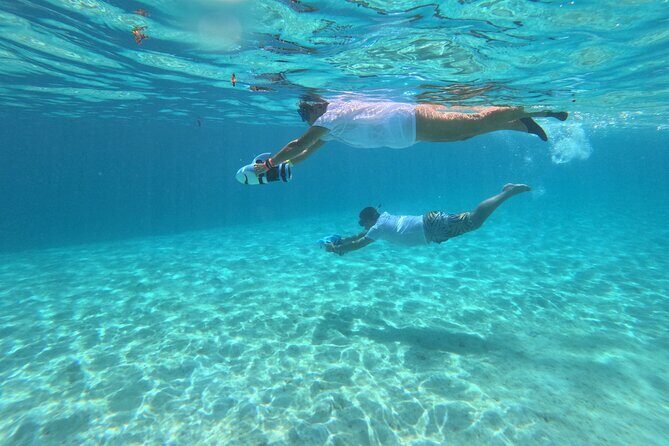
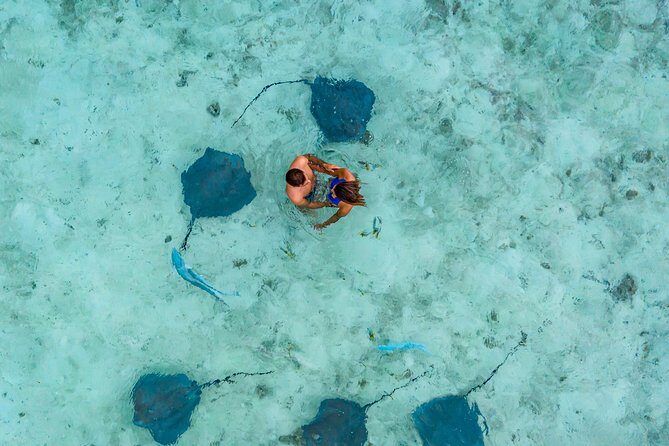
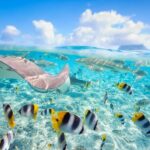
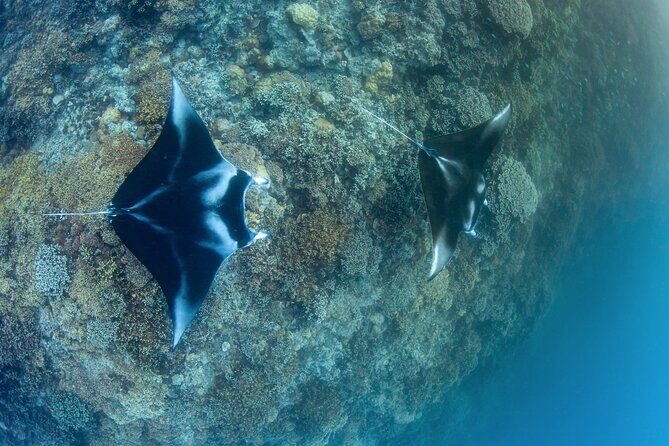
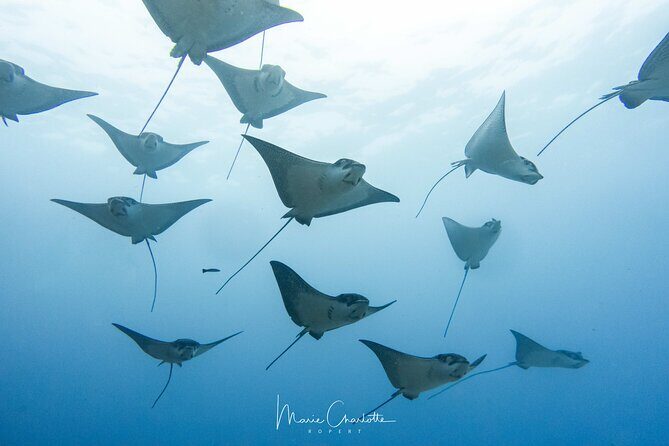
On the lagoon side, you’re typically hunting for the big “Bora Bora” icons—especially manta rays. Multiple reports describe manta sightings that were frequent enough to be memorable in a very hands-on way: mantas passing overhead multiple times, sometimes pairs, and in one case around 6–7 mantas during the session.
On the outside-reef side, you’re often in a different kind of underwater world. Expect more current and a stronger sense of “ocean water exchange.” One review specifically calls out a challenging drift due to heavier current on the second site, but still mentions spotting cool life like sharks and other reef species.
If you want a practical way to think about it: the lagoon is where you’ll often get cleaner, calmer visibility and very “showy” manta activity. Outside the reef is where you can get bigger current-driven action and a different set of reef characters—plus the possibility of more dramatic conditions.
The scuba boat experience: why the ride feels easier than you’d expect
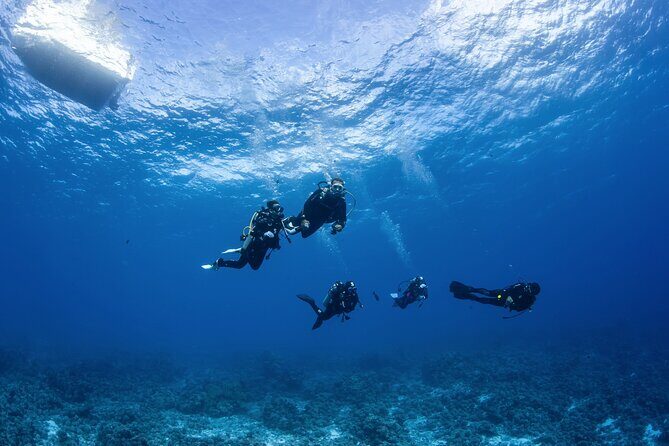
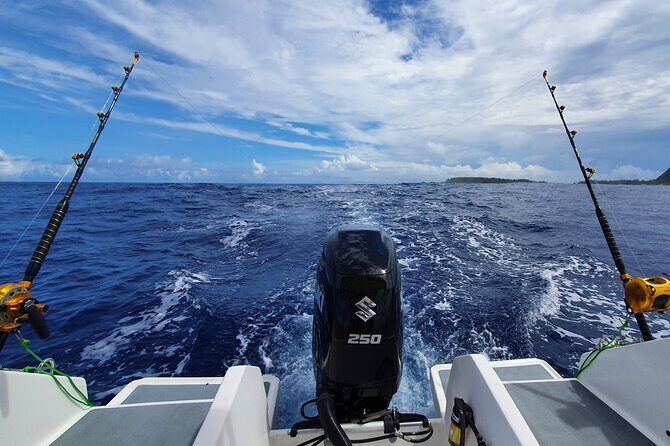
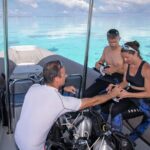
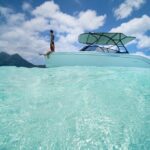
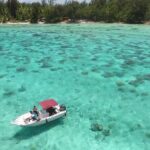
This outing is run from an aluminium boat designed for scuba. That detail matters more than you might think, because boarding and getting comfortable on a standard boat can turn into an awkward start to your morning.
The operator notes the boat has a roof, ladders, and protection, which helps keep things practical when you’re loading gear, managing entry, and transitioning between the two sites. Reviews also describe the overall trip as very organized, with equipment prepared when people arrived on board.
A small-group morning also changes the tempo on the boat. You’re not stuck waiting while a large team scrambles to get ready. Most of what you need is handled by the crew so you can focus on the real part: water time and your guide’s plan for the best conditions.
Your guide and safety culture: what shows up in the best reviews
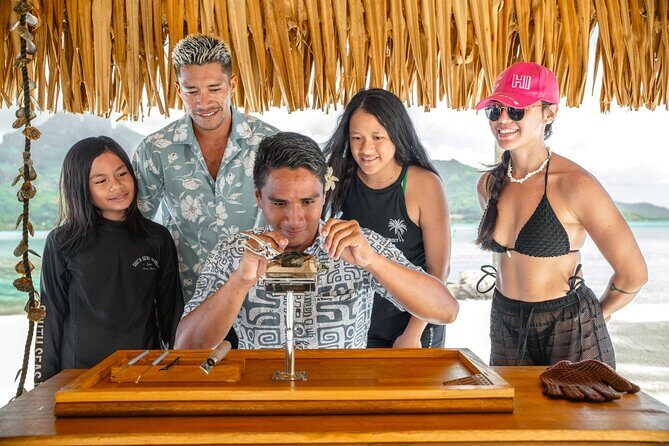
If you care about comfort and control underwater, the guide culture here is a huge part of the value. Reviews repeatedly mention calm, reassuring instruction and a strong safety-first approach.
You’ll also notice an ethical thread: multiple reviewers highlight respect for wildlife behavior. One featured review credits the crew with not baiting sharks and not allowing mantas to be chased. That’s not just “nice behavior.” It directly affects what you’ll see and how close animals feel to you, because it keeps interactions natural.
Guides named in reviews include:
- Niki: described as responsible and focused on finding mantas and other sea life.
- Pascal: praised as fun, friendly, patient, and great at getting people set up for manta encounters.
- Nicholas: noted for being knowledgeable and reassuring.
- Flo: highlighted for helping a family with a first open-water experience and keeping everyone comfortable.
- Arthur: called out for handling conditions and guidance even with current.
- JP: mentioned for helping an air-hog situation by sharing air and watching safety closely.
One small detail that signals how organized the team can be: at least one review reports that the crew switched equipment/tank setup for someone before the second session. That’s the kind of behind-the-scenes competence you want on a short, structured morning.


What you can realistically expect to see: mantas, sharks, and reef life
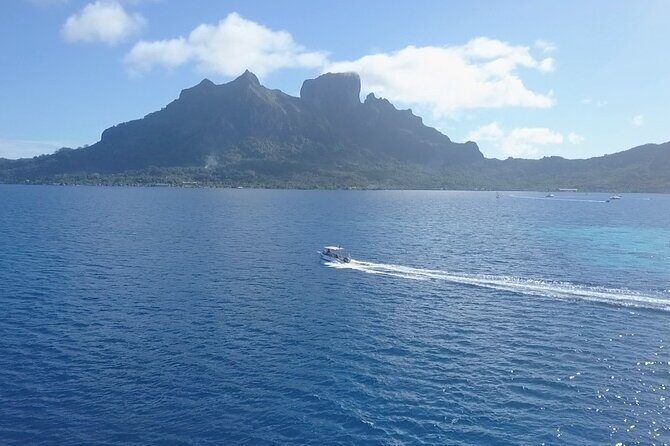
Let’s talk sightings, because Bora Bora’s reputation is earned. Your odds depend on conditions, but the pattern in reviews is consistent: you’ll likely see a mix of larger pelagic animals and reef characters.
Manta rays: the headline act
Manta rays show up again and again. Some reviews describe:
- multiple mantas overhead,
- mantas passing repeatedly over divers,
- mantas in lagoon settings,
- and even groups of 4 or more.
In one account, the mantas were close enough that the diver felt them pass just above head level during cleaning behavior. Even if you don’t get that exact closeness, the repeated theme is that mantas are a core target, not a lucky accident.
Sharks and other big animals
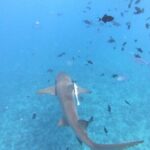
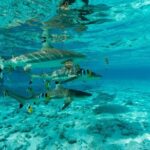
Sharks also appear frequently in the reports, including black-tip reef sharks and white-tip sharks. There are also mentions of eagle rays and other tropical sea life, plus turtles in at least one lagoon-style session.
Reef life: the extras that make the trip feel complete
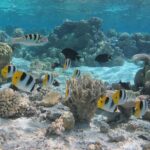
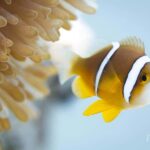
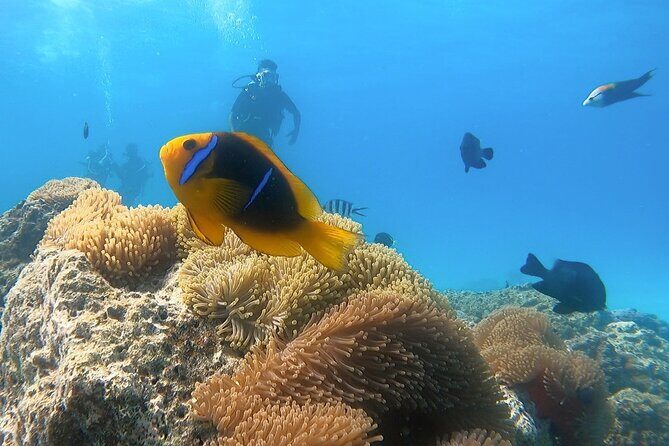
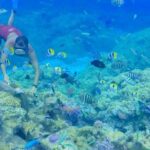
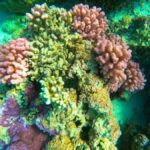
Even when the headline animal is the star, you’ll also get plenty of reef life: eels, octopus, lionfish, shrimp, coral, and a wide range of reef fish. One review even mentions a cave swim-through, which tells you the underwater routes can include interesting terrain when conditions allow.
Practical note: if your expectation is only manta rays, you might still be thrilled but less fully satisfied. The best mindset is to show up ready to watch the whole underwater system: mantas, sharks, and the smaller stuff that makes reef biology feel alive.
Gear, equipment, and the Nitrox perk
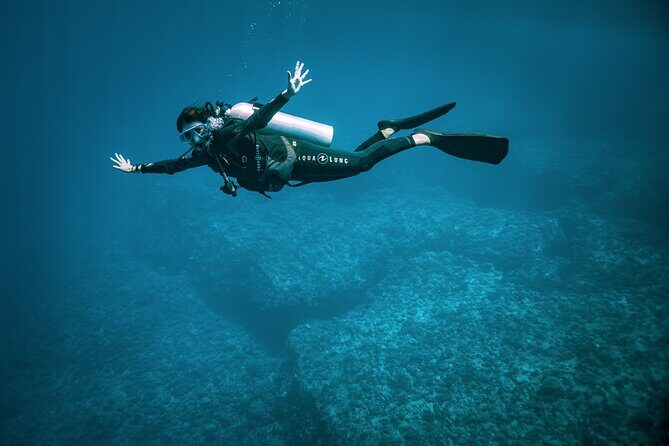
Everything you need for scuba equipment use is included. That matters because in Bora Bora, arranging gear separately can quickly turn into extra hassle and extra cost.
Nitrox is another value lever. The operator states that if you’re Nitrox certified, you can ask for it and it’s free. If you regularly use Nitrox, this is one of the rare “small line item” perks that can meaningfully improve your comfort and planning.
As for fit and comfort, reviews generally praise the rental equipment quality, including someone noting it felt newer and fit better than what they used during their certification training.
Who this fits best (and who should think twice)
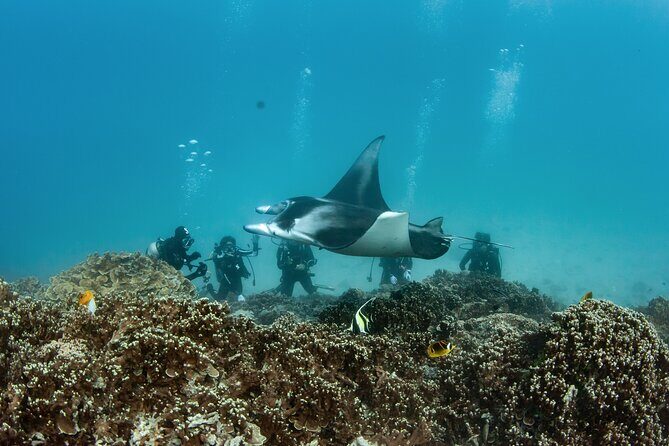
This program is designed for certified scuba participants with specific rules. You’re allowed to go down to 18 meters/60 feet, and your last scuba session must be less than a year ago. If your certification is old and you haven’t been back in the water recently, you may not meet the requirements.
Minimum age is 12 years old, and the small-group format can help families manage comfort. One review describes a teenage daughter joining, with guides making it work smoothly.
This is also a good fit if you want instruction that doesn’t feel rushed. The max-5 group size and the consistent comments about patience and reassurance point to a calmer coaching style than you might get in larger operations.
Think twice if you get nervous about current. One report mentions a more challenging drift with heavy current on the outside-reef site. If you’re sensitive to movement underwater, talk to the operator beforehand and make sure they match you with the right conditions and buddy plan.
Is $235.69 good value for two morning site trips?
At $235.69 per person, you’re paying for a package that includes more than just a boat ride. You’re getting:
- pickup and drop-off,
- use of scuba equipment,
- two separate underwater site trips,
- and between-session refreshment (fresh water, hot tea, cookies),
- plus instruction in a small group (max 5).
You can think of the value like this: you’re not managing transportation, gear logistics, or a large-group schedule on your own. The operator handles the “messy” parts so your morning can stay focused on the underwater experience.
The other value point is the guide-to-water ratio implied by the small group size. Multiple reviews highlight personalized attention and safety handling. When you’re in a short 4-hour window, that matters.
If your priority is seeing manta rays and sharks with calm guidance and ethical handling, this price starts to look pretty reasonable for Bora Bora—especially because the morning format gives you two different underwater environments without needing extra bookings.
Should you book this morning program?
I’d book it if you’re a certified scuba participant who:
- wants two different underwater sites in one morning,
- likes a small group where you’re not competing for attention,
- and is hoping for manta rays and sharks as part of a safety-led plan.
I might skip (or at least reconsider timing and expectations) if:
- you’re not within the required recency window for your last scuba session,
- you’re uncomfortable with the allowed depth of 18 meters/60 feet,
- or you know current and drift stress you out, since the outside-reef site can bring more movement.
If you book, do one thing to help the experience go smoothly: be honest about your comfort level and your air consumption habits. The crew can’t control every variable on the water, but they can manage the plan when they know what to expect from you.
FAQ
Do I need to be a certified scuba participant?
Yes. The tour is for certified scuba participants, including PADI Open Water Diver, SSI Open Water Diver, CMAS Level 1, and similar certification levels.
What depth am I allowed to reach?
You’re allowed to go down to 18 meters / 60 feet.
How recent does my last scuba session need to be?
Your last scuba session must have been less than one year ago.
What is the minimum age?
The minimum age is 12 years old.
How many people are in the group?
The maximum group size is 5 participants.
How long are the two underwater site trips?
Each underwater site trip is approximately 45–60 minutes, typically around 15–20 meters, with a break in between.
What’s included in the price?
The price includes use of scuba equipment, pickup and drop-off, and between the two sessions fresh water, hot tea, and cookies. Nitrox can be requested if you’re Nitrox certified, and it’s free.
What happens if the weather is bad?
This experience requires good weather. If it’s canceled due to poor weather, you’ll be offered a different date or a full refund.