REVIEW · TAHITI
Double Diving Adventure Exploration for Certified Divers
Book on Viator →Operated by ACTIVISEAS Tahiti diving and water sports · Bookable on Viator
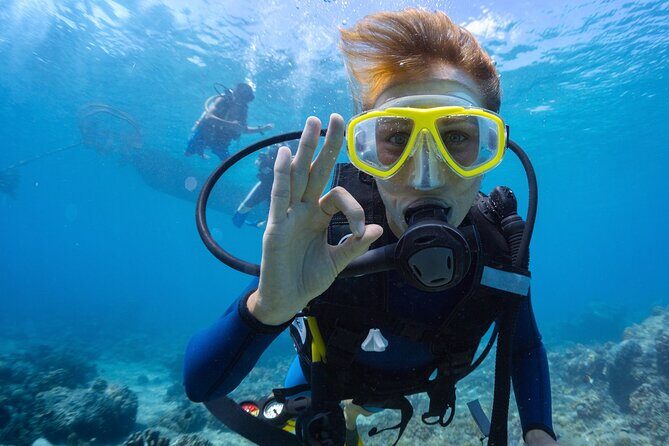
Scuba gear, reef wildlife, and a relaxed schedule. That is what makes this double scuba outing in Tahiti feel so worth it. I like the small group setup that keeps attention personal, and I like that everything is handled for you with well-maintained equipment and experienced certified instructors. One thing to weigh: this is only for certified divers, so if you are not already trained, you’ll need a different option.
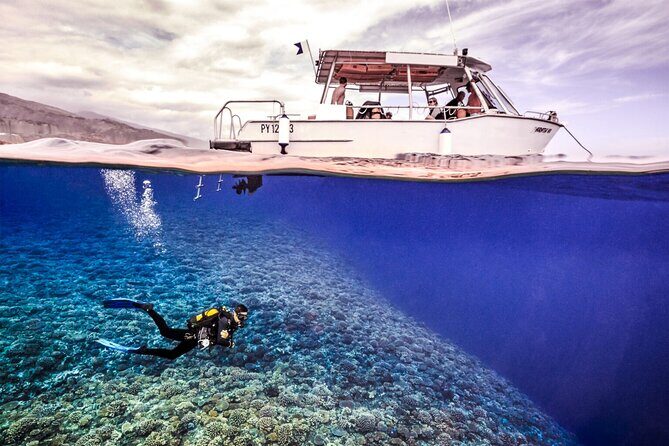
Expect two consecutive exploration outings in the ocean and/or lagoon, timed to get you out early and back before your day turns into a long slog. The guides actively look after safety and the vibe, and they also keep an eye on protecting the marine environment. You should also have at least moderate fitness, since you’ll be getting in and out of the water with a bit of effort.
In This Review
- Key takeaways before you go
- Why this double scuba outing works so well in Tahiti
- Getting started at InterContinental Tahiti Resort: easy arrival, early start
- Two successive sessions for certified divers: what the day feels like
- Safety and equipment: the calm part of the trip
- Marine life you can reasonably look for in Tahiti
- What responsible reef behavior means in real life
- Price and value: is $240.50 fair for two sessions?
- When to choose this, and who should skip it
- Should you book this double scuba adventure in Tahiti?
- FAQ
- Is this scuba experience only for certified divers?
- How long does the outing last, and when does it start?
- Where do we meet, and is pickup available?
- What is the maximum group size?
- Do I need to bring my own scuba equipment?
- Will I get confirmation after booking?
- What happens if weather is poor?
- What is the cancellation and refund timing?
Key takeaways before you go
- Small group cap (max 5): you get more hands-on guidance instead of being “one more number.”
- Two successive exploration sessions: you’re not rushing; you get a second chance to enjoy the reef and its animals.
- Ocean or lagoon options: you’ll be exploring the kind of water conditions that suit the day.
- Gear is provided: properly maintained equipment means less stress and less packing.
- Friendly team energy: names like Olivier, Emilien (spelled Emilien in one response), and the crew Gautier, Matisse, Eric, Teiki show up repeatedly in how people describe the experience.
Why this double scuba outing works so well in Tahiti
Tahiti is famous for its scenery above the surface, but the real payoff is what happens once you’re geared up and out on calm water. This plan is built around two back-to-back underwater exploration sessions. That matters, because the first one helps you settle in with the team and the conditions. Then the second one gives you a cleaner view of what the reef is doing that day, and it’s a lot more fun than trying to squeeze everything into a single short outing.
I especially liked how “certified divers only” changes the tone. You’re not being trained from scratch. Instead, the instructors can focus on site flow, safety details, and spotting wildlife you’ll actually appreciate. And because the group is capped at five, you’re less likely to feel like you’re waiting around while someone else figures out buoyancy.
The other big plus is how the operator frames the experience: reef life and local biodiversity are the goal, not just getting wet. The company also emphasizes responsible behavior to help protect marine ecosystems. In plain terms, that means you should get a better-quality experience that also respects the place you’re visiting.
You can also read our reviews of more scuba diving tours in Tahiti


Getting started at InterContinental Tahiti Resort: easy arrival, early start
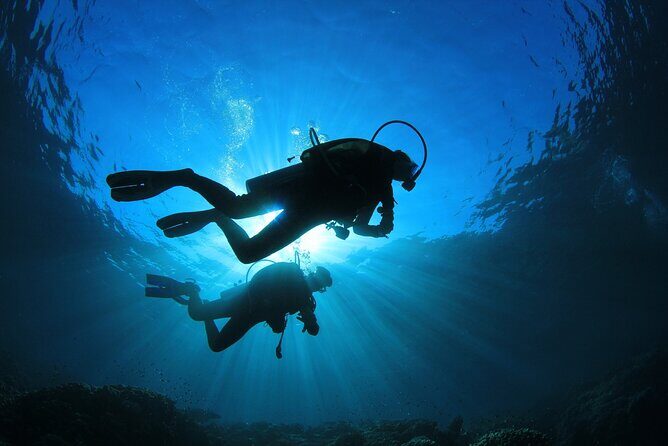
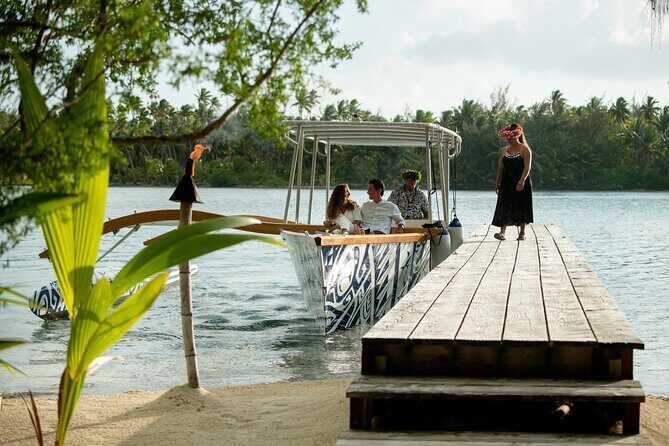
Your morning begins at the InterContinental Tahiti Resort & Spa, PK7, Fa’a’a, French Polynesia. The start time is 8:00 am, and the full outing runs about four hours.
Here’s the practical benefit: this meeting point is straightforward if you’re staying nearby. One detailed account notes it is a very short walk from the InterContinental. Even if you aren’t staying at that hotel, being near public transportation helps. You won’t lose your whole morning trying to coordinate a complicated pickup.
Pickup is offered as well. If you’re on the hotel shuttle loop or staying in the area, it can simplify your logistics. If you prefer to control your timing, you can also plan to get to the meeting spot and stay flexible. Either way, the key is to show up ready and on time. With early departures, the crew wants to get the gear loaded and you in the water while conditions are at their best.
Also, don’t over-plan your breakfast schedule. With an early start and two water sessions, you’ll want to feel comfortable and not rush. Bring what you need so you can eat, hydrate, and then focus on the reef.
Two successive sessions for certified divers: what the day feels like
This is built for certified divers, with two exploration outings in the ocean and/or the lagoon. You’ll usually get a first session that functions like your warm runway: you’ll check your comfort in the water, lock in buoyancy, and start scanning for animals. Then you get a second session that lets you relax into the rhythm and enjoy the sites with less mental load.
The experience is designed around guided discovery. The guides help you read what you’re seeing—fish behavior, reef structure, and where animals tend to move. That matters because you can have great visibility and still miss the good stuff if you don’t know where to look.
What makes this “two sessions” format especially valuable is the time you lose when you’re learning something new underwater. If everything is crammed into one short outing, any small problem—thickness of exposure suit, buoyancy adjustments, or just getting oriented—cuts into your time with marine life. With two back-to-back sessions, you can recover quickly and enjoy the second outing with better confidence.
Group size helps too. When you’re in a group of up to five, the instructor can manage pace without turning it into a slow shuffle. You should feel like you’re actually exploring, not just following.
Safety and equipment: the calm part of the trip
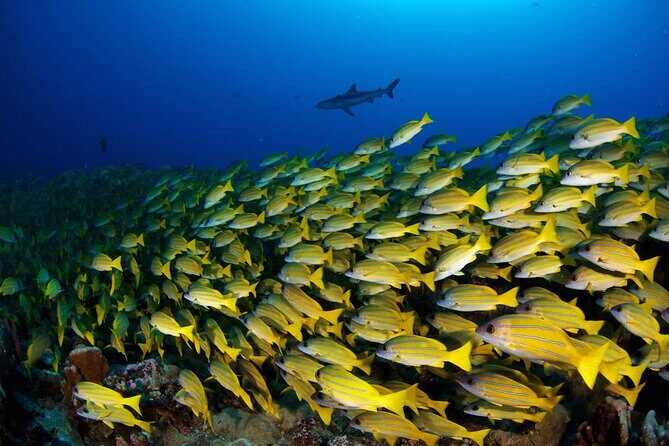
The operator provides equipment, and the gear is described as carefully maintained. For me, that’s the difference between a stressful scuba morning and a smooth one. Good equipment reduces the number of things you have to think about underwater, which leaves more brain space for what you came for: reef life.
Certified divers can also appreciate the way instructors can tailor support. Since you’re not doing basic training, the team can focus on practical safety habits like controlled entries, spacing as conditions require, and staying aligned with the group. When the guides know your level of training, the whole flow is more natural.
People repeatedly mention how well the team takes care of divers. One account credits Olivier for a welcoming experience. Another emphasizes how Emilien helped someone who had not dived in a long time feel comfortable. That’s not a small detail. Comfort at the start of a scuba plan affects everything: your buoyancy, your breathing pace, and your willingness to enjoy the scenery instead of monitoring every sensation.
If you’re a confident diver, you’ll still get value from that kind of attention, because it keeps you from drifting into solo “do it your way” territory. If you’re rusty, it’s even more valuable.
Marine life you can reasonably look for in Tahiti
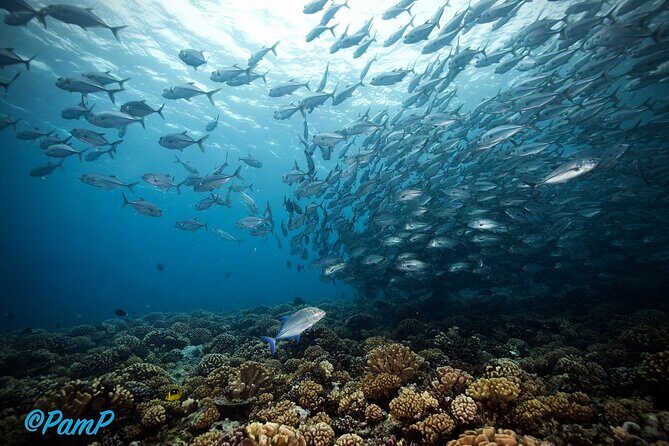
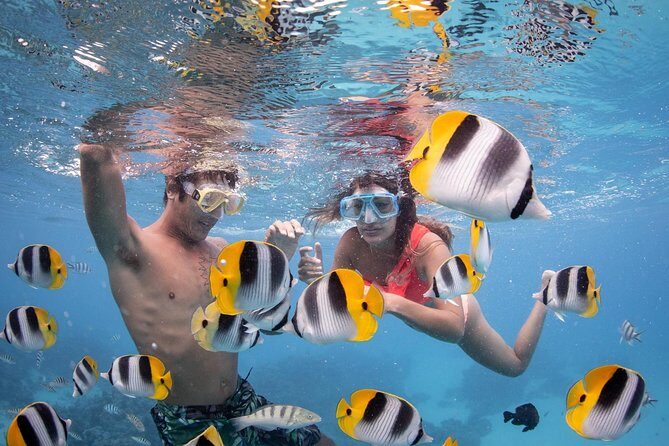
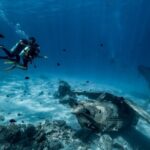
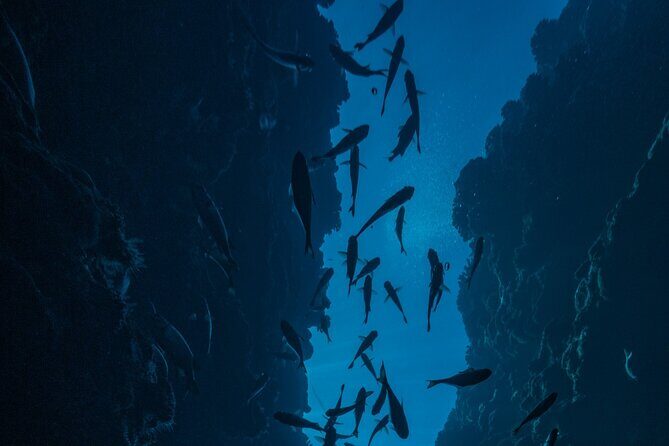
This outing is framed around reef biodiversity, and the specific animals mentioned include turtles, colorful fish, skates, and much more. That list is encouraging because it’s not only about seeing something once. It’s about experiencing the reef ecosystem as a functioning place.
The “ocean and/or lagoon” format is also key. Lagoon conditions often feel different from open water: lighter currents, different visibility behavior, and a different mix of reef spots. Ocean sessions can feel more open and expansive. Either way, guides help you navigate so you spend your limited time underwater seeing wildlife, not just swimming to locations.
One practical tip: when you spot a turtle, slow down and give it time. If you chase it, you’ll often miss the best view. Same idea for skates and reef fish. Let them come to you when possible, and keep your buoyancy steady so you don’t stir up the bottom.
If you’re the type who loves a checklist, it helps to go in knowing what you might see: turtles, colorful fish, skates, and the broader reef life that supports them. If you’re the type who likes surprises, the guides’ role becomes even more important, because they can point you toward the living parts of the reef while you focus on staying comfortable.






What responsible reef behavior means in real life
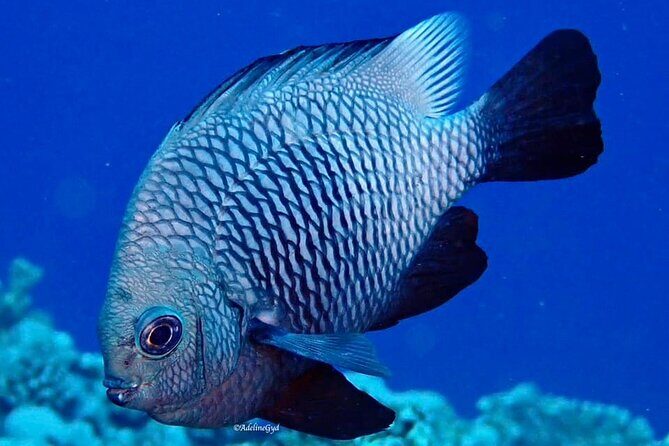
The operator states a respect for the environment, with responsible practices meant to protect marine ecosystems. You’ll feel this in how the team runs the outing. When an operator takes reef protection seriously, it typically shows up as careful handling of buoyancy, controlled movement, and a culture where the guides expect divers to behave responsibly.
In a place like Tahiti, reef ecosystems are both beautiful and fragile. A diver can cause more damage than they realize, especially during the moments when you’re distracted by trying to look at a new animal. Responsible practice is partly about rules, but it’s also about attitude. The best reef days are the ones where everyone moves like the reef matters, because it does.
So even though you’ll be there for wildlife and photos, aim to treat the reef like a shared home, not a backdrop. If you do that, you’ll usually enjoy the experience more too. Clearer, calmer behavior leads to calmer water movement, which often improves visibility for everyone.
Price and value: is $240.50 fair for two sessions?
At $240.50 per person, this isn’t the cheapest way to spend a morning in Tahiti. But it’s also not hard to see the value. You’re paying for two guided exploration sessions in a controlled, small-group setting. You’re also paying for provided equipment and certified instructors who can run the day with attention to safety and pace.
The group cap matters here. In many scuba plans, the price feels high because you’re paying for a crowd. Here, you’re paying for time and attention. With a maximum of five travelers, the experience tends to feel more like a guided outing than a production line.
Also, timing and weather matter. This activity requires good weather. If the company needs to adjust or reschedule, you’re usually protected by the fact that you’ll be offered a different date or a full refund if it’s canceled due to poor weather. That reduces the risk of paying for something you can’t control.
And since the average booking happens about 151 days in advance, this is clearly something people try to lock in early. That isn’t proof of quality by itself, but it is a hint that the best dates go first. If you’re planning around a specific week in Tahiti, don’t wait for the last minute.
When to choose this, and who should skip it

Choose this outing if you’re a certified diver who wants two guided underwater sessions, with equipment included and a small group size that keeps the day friendly and manageable.
It’s especially suitable if:
- you want to see reef biodiversity like turtles, colorful fish, and skates
- you appreciate an instructor-led structure rather than solo wandering
- you like the idea of two shots at the day’s best conditions
Consider skipping if:
- you’re not already certified (this is certified divers only)
- you’re dealing with mobility limitations that make boarding and water time difficult
- you don’t like early mornings (8:00 am start)
Moderate physical fitness is recommended. That doesn’t mean you need to be an athlete, but you should be comfortable with the physical rhythm of scuba: getting in and out smoothly, carrying gear when needed, and managing the natural effort of a water outing.
Should you book this double scuba adventure in Tahiti?
Yes, if you’re already certified and you want a guided, small-group morning focused on reef life. The combination of provided equipment, experienced certified instructors, and two successive exploration sessions is a strong value play, especially compared with one-off outings that leave you short on time to enjoy what you came for.
If you’re deciding between multiple options, use this simple rule: pick the one where you’ll feel most relaxed. For a lot of divers, small groups and careful guidance are what turn a good plan into a great one. And based on the way people describe the team, the crew seems to do more than just run a schedule. They look after comfort, safety, and the feel of the experience from start to finish.
FAQ
Is this scuba experience only for certified divers?
Yes. It’s for certified divers only, and it includes ocean and/or lagoon sessions.
How long does the outing last, and when does it start?
It lasts about 4 hours and starts at 8:00 am.
Where do we meet, and is pickup available?
You meet at InterContinental Tahiti Resort & Spa, PK7, Fa’a’a 98702, French Polynesia. Pickup is offered.
What is the maximum group size?
The experience has a maximum of 5 travelers.
Do I need to bring my own scuba equipment?
No. Equipment is provided, and it’s maintained by the operator.
Will I get confirmation after booking?
Yes. Confirmation is received within 48 hours of booking, subject to availability.
What happens if weather is poor?
The activity requires good weather. If it’s canceled due to poor weather, you’ll be offered a different date or a full refund.
What is the cancellation and refund timing?
Free cancellation is available. Cancel up to 24 hours in advance for a full refund. If you cancel less than 24 hours before the start time, the amount paid is not refunded.