REVIEW · BORA BORA
Whale Watching Bora Bora
Book on Viator →Operated by Bora Ocean Adventures · Bookable on Viator
Whales off Bora Bora can be either magic or elusive. This small-group trip pairs a patient crew with snorkel gear so you can watch whales in the wild and, when conditions allow, get closer from the water.
What I love most is the small size (a maximum of 12, often feeling even roomier) and how the crew teaches you what you’re seeing while actively scanning the lagoon. You also get the practical stuff handled: waterproof jacket/bag, towels, plus tea and a snack during the cruise.
One thing to know up front: this is wildlife. You can’t count on whales showing—or on swimming with them—even when the guides do everything they can.
In This Review
- Key highlights you’ll care about
- Why Bora Bora works for whale season (and what to expect)
- Your 3.5-hour rhythm on the water: cruise, search, then whale time
- Meeting point and getting onboard without stress
- Snorkeling gear, rules, and the 100-meter reality check
- What you might actually see: humpbacks, calves, and whale surprises
- How the crew makes or breaks the day
- The practical value of a $304 whale-watch (what’s included, and what’s not)
- Comfort and constraints: boat size, weather, and rough-water expectations
- Who this tour suits best (and who might look for alternatives)
- Should you book this Bora Bora whale watching trip?
- FAQ
- What species might we see on this whale watching tour?
- How long is the tour?
- Is pickup available?
- What’s included for snorkeling and comfort?
- Are there morning and afternoon departures?
- How many people are on the boat?
- Is it guaranteed that we’ll see whales or swim with them?
- What happens if weather is too poor to run the tour?
- When will I get confirmation after booking?
- Can I cancel and get a refund?
Key highlights you’ll care about
- Max 12 passengers means more time with your guide and less waiting around
- Morning or afternoon departures so you can match your Bora Bora day
- Snorkel equipment included with waterproof gear to keep you comfortable on deck
- Local crew focus on locating whales and explaining what to watch for
- Refreshments onboard (fresh water, tea, and a snack) to keep the trip easy
- Seasonal timing matters: July to November is prime for humpbacks in warmer waters
Why Bora Bora works for whale season (and what to expect)
Bora Bora isn’t just pretty. It’s part of the wider French Polynesia whale sanctuary route, which matters because timing turns a good outing into a great one.
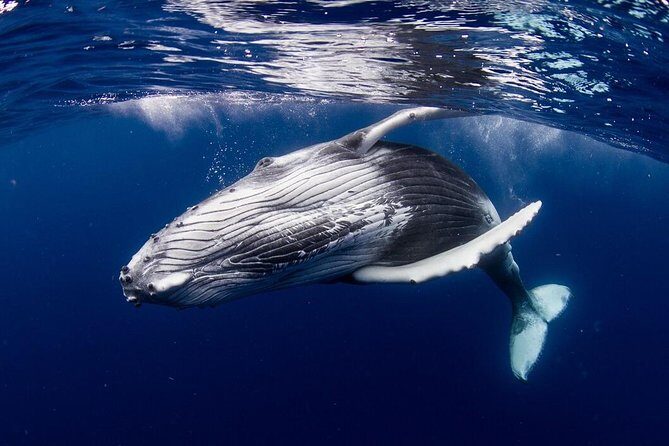
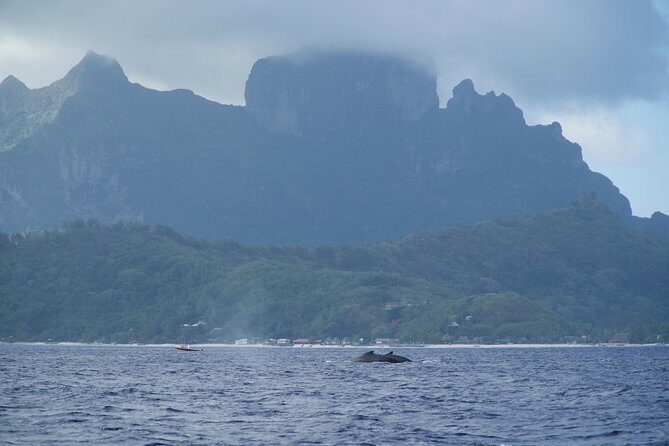
Between July and November, humpback whales move north into warmer waters to give birth and raise calves. That’s when you’ll have the best chance for the classic moments people come for: mothers with young, surfacing, and sometimes dramatic breaches.
You might also encounter other marine stars, including orcas, rorquals, and dolphins. Even if whales don’t show, the water life here is still active—think dolphins, birds, and other signs that the ecosystem is humming.
You can also read our reviews of more whale watching tours in Bora Bora
Your 3.5-hour rhythm on the water: cruise, search, then whale time
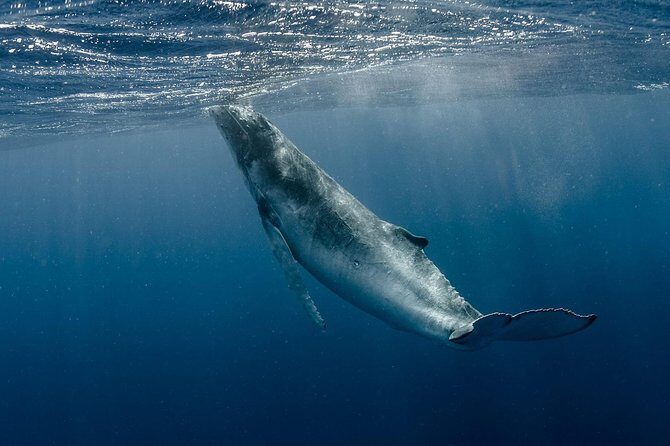
This tour runs about 3 hours 30 minutes with the guide and captain on board. The flow is simple: you head out, the crew searches, you watch and listen, and then you settle into the best whale sighting they can find.
The small group size is a big deal for how it feels. With a cap of 12, you’re more likely to get clear instructions and real attention when it’s time to snorkel.
Be realistic about the “search” part. Several tour experiences include a slow start, followed by a breakthrough once whales surface and stay in range. The best runs are the ones where the crew keeps communicating, tracking movements, and re-positioning without rushing you.
Meeting point and getting onboard without stress
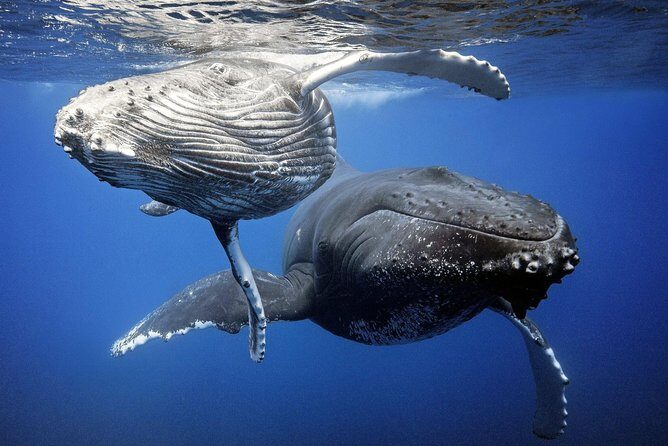
The tour starts at Bora Ocean Adventures (BP 795, Bora-Bora 98730, French Polynesia). It ends back at the same meeting point, so you’re not juggling a long return.
A real convenience here is pickup by boat from your hotel or meeting point. That saves you the “how do we get there?” headache, especially if you’re staying in a resort area where walking isn’t the move.
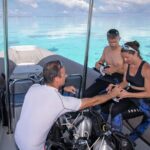
Your first stop on board is basically comfort and readiness. You’ll be given snorkeling equipment, and you’ll also have waterproof jacket/bags and towels available. That means you’re not stuck in wet clothes if conditions change.
Snorkeling gear, rules, and the 100-meter reality check
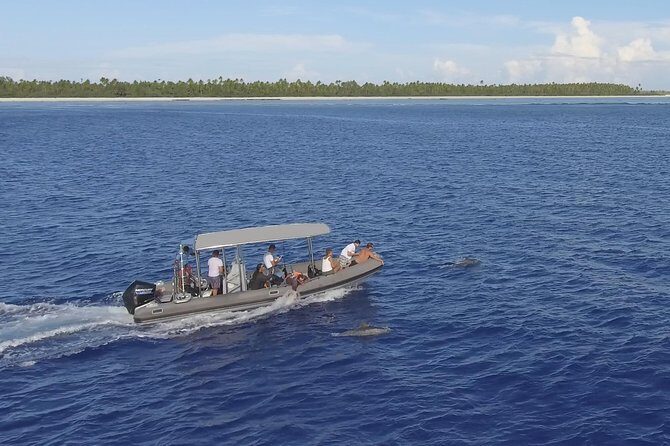
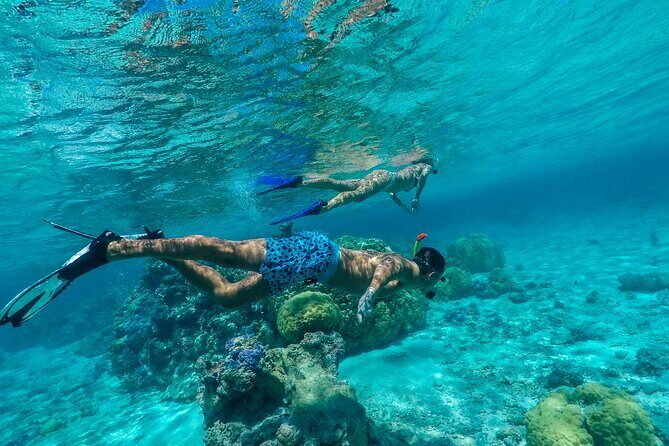
This tour includes snorkel equipment, and that’s what turns whale watching into something more physical than just filming from the rail.
But here’s the expectation-setting detail that matters: there are rules about how close boats can approach whales. One guide team notes that the boat cannot approach whales closer than 100 meters. That’s not a “downside” as much as it’s the reason the experience stays respectful and safe for the animals.
In practice, this changes how you’ll experience the whales:
- You may watch from a distance for longer stretches (especially at first)
- Swimming might happen only when the whales’ position and conditions line up
- You can still get an amazing view from the water when you’re positioned correctly
If you get a chance to swim, it’s usually because the crew can place you near a calm, appropriate moment. The guide’s job is to brief you on local rules about interacting with whales and then help you navigate what you’re allowed to do.
What you might actually see: humpbacks, calves, and whale surprises
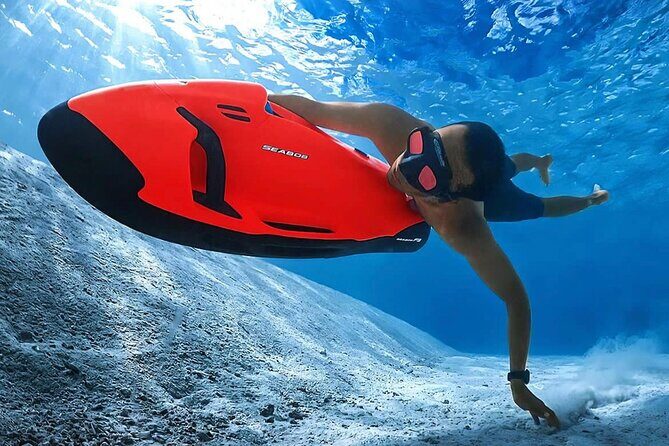
When humpbacks are around, the sightings people remember most are often the ones that happen after the crew finds a mother-and-calf pair.
A common “wow” pattern is:
- a mother surfaces with her calf nearby
- both remain active for a while
- the crew keeps you on the right side of the action without crowding the animals
Sometimes whales show well from the boat first—breaches and surfacing can happen from a distance when the animals are in motion. Other times, the big payoff is later: the crew keeps searching, then suddenly you’re watching multiple whales or a clear interaction.
Some tours may be more quiet than others. A few trips don’t produce a whale sighting at all, even with persistent searching. When that happens, the time doesn’t always feel wasted—because you’re still out seeing dolphins, birds, and other ocean life—but it won’t match the whale-focused dream.



How the crew makes or breaks the day
With wildlife tours, the difference is usually effort plus communication. This operator’s teams come up repeatedly for trying hard to spot whales and for explaining what to do once they find them.
In the better runs, you’ll feel the crew working in sync:
- they scan continuously
- they stay in contact with other boats (when they can)
- they reposition based on whale behavior
- they guide you into the right spot for viewing or snorkeling
You’ll also notice the people-portion of this tour: guides and captains who handle the “waiting” part without turning it into dead time. Even on trips where whales are missed, the tone tends to stay upbeat and focused on making the most of the ocean you’re actually on.
Guide names that came up in real experiences include Sebastian, BG, and also Will and Rudolf. The point isn’t the names—it’s that the crew’s style is consistent: safety-first, rules-focused, and genuinely excited when whales appear.
The practical value of a $304 whale-watch (what’s included, and what’s not)
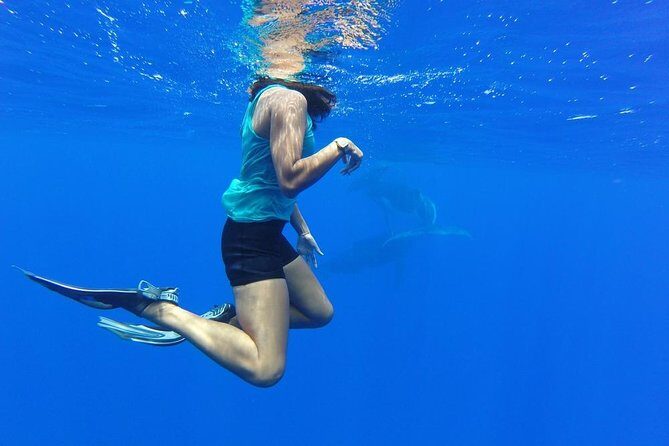
At $304, this isn’t a bargain-basement activity. The value comes from three places: time, gear, and the odds-improving search.
You’re paying for:
- a 3.5-hour small-group cruise out beyond the reef
- snorkel gear plus waterproof jacket/bags and towels
- tea, fresh water, and a snack onboard
- a crew whose main job is finding whales and keeping you oriented
What you’re not paying for is a guaranteed whale swim. Even with a strong operator and the right season, whales are wild animals. If you don’t see whales, the tour experience still might be scenic and fun, but it won’t hit the main reason you booked.
So how do you decide if it’s worth it for you?
- If you’re in Bora Bora during July–November, your chances are better and the price feels easier to stomach.
- If whale watching is a top priority and you can handle the gamble, this is a solid match.
- If you need a guaranteed on-water whale moment for your trip to feel successful, it’s harder to justify paying this amount.
Comfort and constraints: boat size, weather, and rough-water expectations
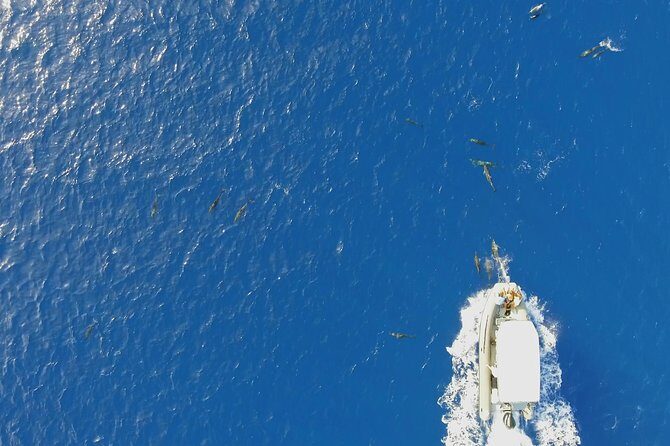
This trip requires good weather, and that’s non-negotiable for ocean conditions. When it’s rough, the ride can feel more intense than the smooth photos everyone posts.
One small but real consideration: a guest noted that the boat wasn’t ideal for very tall people (around 1.90 m). Even if you’re not that tall, it’s a reminder that this is a specific whale-watching vessel for this kind of excursion, not a big, cushy sightseeing ship.
Also, swimming with whales depends on the moment. Some days are “watch from the boat,” and some days you’re in the water with the whales. If swimming is the make-or-break part of your bucket list, plan your expectations like a weather-dependent activity.
Who this tour suits best (and who might look for alternatives)
This is a great fit if you:
- want a small-group experience instead of a crowd
- love marine animals and don’t mind a bit of searching
- want the option to snorkel with the whales when conditions allow
- value guidance and rules so you’re not just rushing through a checklist
It might be less ideal if you:
- get motion sick easily (the ocean can be bumpy)
- are very tall and care a lot about seating comfort
- need a guaranteed whale encounter, guaranteed swimming, and guaranteed close views
If you’re the type of traveler who enjoys the learning part—what to watch for, how whales behave, why rules exist—this tour tends to land better than a purely passive boat cruise.
Should you book this Bora Bora whale watching trip?
I’d book it if your dates fall during July–November and you’re okay with the reality that nature decides the finale. The included gear, small-group setup, and the crew’s repeated focus on finding whales make it feel like a thoughtful experience, not just a ride.
I’d think twice if you’re going in a shoulder week with low whale activity expectations, or if spending $304 would leave you frustrated by a no-sighting day. Wildlife tours can be incredible or mildly annoying, and this one runs right in that zone.
Bottom line: if whales are your priority and you want a respectful, well-run small-group outing with snorkeling included, this is a strong choice for Bora Bora.
FAQ
What species might we see on this whale watching tour?
The tour description lists possible sightings of humpback whales, orcas, rorquals, and dolphins.
How long is the tour?
It runs for about 3 hours 30 minutes.
Is pickup available?
Yes. The tour offers pickup by boat from your hotel or meeting point.
What’s included for snorkeling and comfort?
You’ll be provided snorkel equipment, along with a waterproof jacket/bag and towels. Fresh water, tea, and a snack are served during the tour.
Are there morning and afternoon departures?
Yes. You can choose between a morning or an afternoon time slot.
How many people are on the boat?
This activity has a maximum of 12 travelers.
Is it guaranteed that we’ll see whales or swim with them?
No. Whale sightings can’t be guaranteed because whales are wild animals in their natural habitat.
What happens if weather is too poor to run the tour?
This experience requires good weather. If it’s canceled due to poor weather, you’ll be offered a different date or a full refund.
When will I get confirmation after booking?
You should receive confirmation within 48 hours of booking, subject to availability.
Can I cancel and get a refund?
Yes. You can cancel up to 24 hours in advance of the experience start time for a full refund.
If you want, tell me your travel month and whether swimming is your main goal—I’ll help you set realistic expectations before you book.