REVIEW · TAHITI
Whale watching DE Tahiti Peninsula
Book on Viator →Operated by Polyn'Easy Dive and Tours · Bookable on Viator
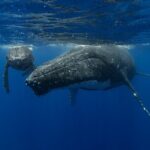
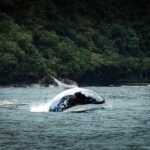
Humpbacks can show up fast here. This Tahiti Peninsula whale-watching trip focuses on humpbacks during their seasonal migration, with a small group, real marine-life guidance, and a comfortable boat. I like that the crew keeps things safety-first (for you and for the whales), and that coffee, snacks, water, plus snorkeling and safety equipment are included. The main catch is also the most important one: a whale swim/launch is never guaranteed, and there are clear ability rules.
You’ll also get a respectful, rules-based approach to how the boat and swimmers interact with whales. It’s not a circus. It’s designed around controlled conditions, so even if the day is not perfect, the experience still feels thoughtful and well-managed.
In This Review
- Key things to know before you go
- Whale watching on the Tahiti Peninsula: what season actually means
- Where you start: Taiarapu-Ouest meeting point and the flow of the outing
- Inside the small-group boat: coffee, snacks, and a real safety tone
- How the whale rules work: what “approach rules” means for you
- When you can launch with humpbacks (and when you just observe)
- Swimming/launch requirements
- Water limits
- Non-swimmers and observers
- Snorkeling gear included: how to get ready for Tahiti’s ocean reality
- Why the experience is priced at $188.27: value beyond the sticker
- What I’d watch for on your day: the practical checklist
- Who should book this whale-watching trip (and who should skip it)
- Should you book Whale watching on the Tahiti Peninsula?
- FAQ
- FAQ
- How long is the whale watching excursion on the Tahiti Peninsula?
- Is swimming or launching with the whales guaranteed?
- What dates are humpback whale observations permitted?
- What do I need to do to join the launch with whales?
- Is snorkeling equipment included?
- Is there pick-up included?
Key things to know before you go
- Small group size (max 8 travelers) keeps the water calmer and the experience more personal
- Possible whale swim/launch, not systematic depends on conditions and approval of the observation approach
- Launch rules are strict: max 6 swimmers + 1 guide in the water
- Ability requirements matter: you need to swim at least 200 meters without assistance
- Snorkeling and safety gear are included, plus coffee/tea, snacks, and bottled water
- Time window for observations runs from mid-winter/spring season through 20 November, subject to DIREN approval
Whale watching on the Tahiti Peninsula: what season actually means
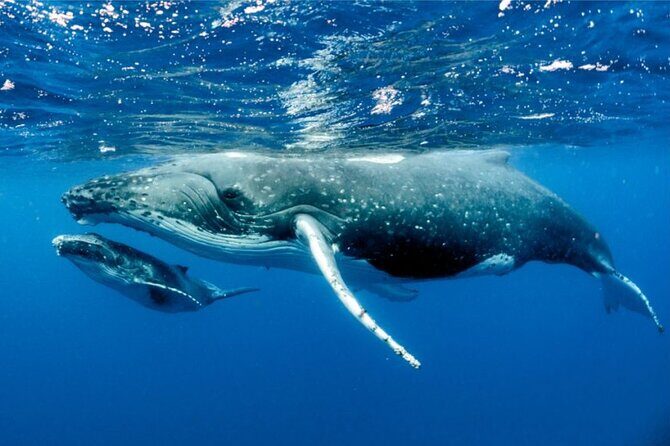
Humpback whales migrate each year from Antarctica to warmer southern Pacific waters to breed, give birth, and educate calves. On the Tahiti Peninsula, the best chances happen during the permitted observation season, when whales have regrouped before the long return journey.
The tour notes that whale observation is allowed from 20 July/August to 20 November, subject to DIREN approval. Translation: if you book outside that window, don’t expect the same activity to run, or it may be adjusted. If you’re traveling during the permitted months, you’re aiming at a genuine biological moment, not a random sightseeing slot.
This also helps you set expectations. Whale watching is never “click and collect.” The whales decide when they’re visible and how close they feel comfortable being. Your day should feel like waiting in the right place, with a crew that knows the rules and reads the conditions.
You can also read our reviews of more whale watching tours in Tahiti


Where you start: Taiarapu-Ouest meeting point and the flow of the outing
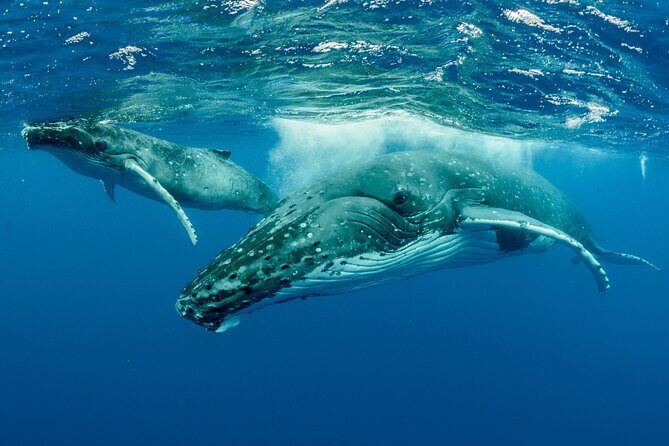
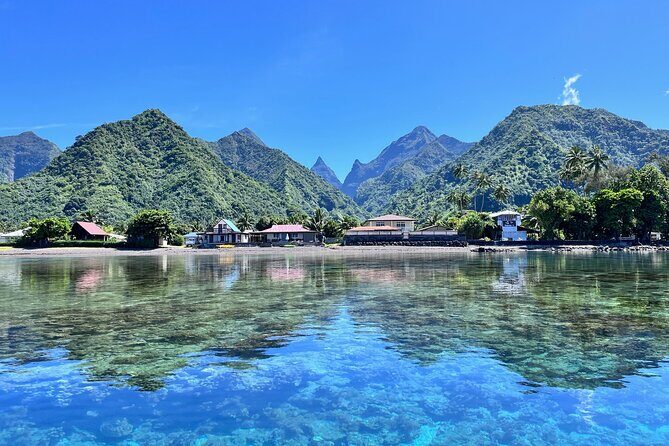
The trip runs as a round-trip from the meeting point at Parking debarquadaire pensions PK 17, Taiarapu-Ouest. You start there and the activity ends back at the same place, so you’re not dealing with a complicated end-of-day transfer.
The outing is listed at about 4 hours, with an average visit time often falling in the 3 to 4 hour range. That’s a good length for this kind of marine-life spotting: long enough to get into the day, short enough that you won’t feel trapped if the whales don’t show.
Plan for a moderate physical effort level. The description doesn’t frame this as a “hard hike,” but it does frame it as an ocean environment you need to handle comfortably—especially if you want the option to launch with the whales.
Also, you get a mobile ticket, so have it ready on your phone. That’s usually fast on check-in days, but you still want battery life and signal.
Inside the small-group boat: coffee, snacks, and a real safety tone
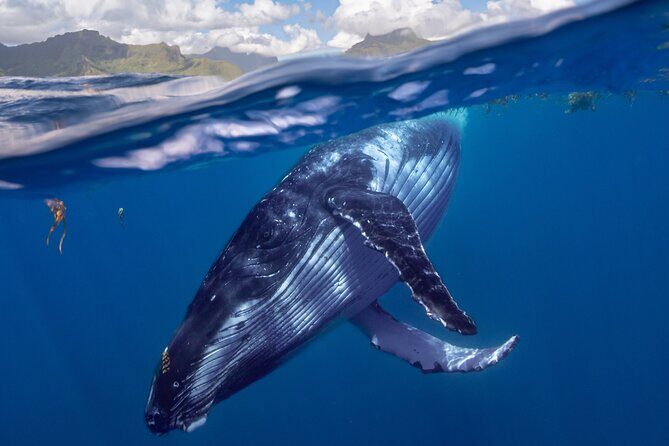
A big part of the value here is what happens before you even hit the water. You’re met by a professional crew (guide and captain) and then onboard service follows quickly: coffee or tea, bottled water, and snacks are included.
Then comes the part you should care about: safety equipment and guidance. You’re also provided snorkeling equipment and safety gear, so you’re not showing up and suddenly playing equipment roulette.
The best whale days feel calm. Based on what the crew is praised for, that calm comes from how they handle both people and whales at the same time. One review specifically called out a guide named Romuald for being funny, accommodating, and strongly focused on safety for passengers and respect for the animals. That combination is exactly what you want on a whale trip: clear rules, a relaxed vibe, and no confusion in the moment.
How the whale rules work: what “approach rules” means for you
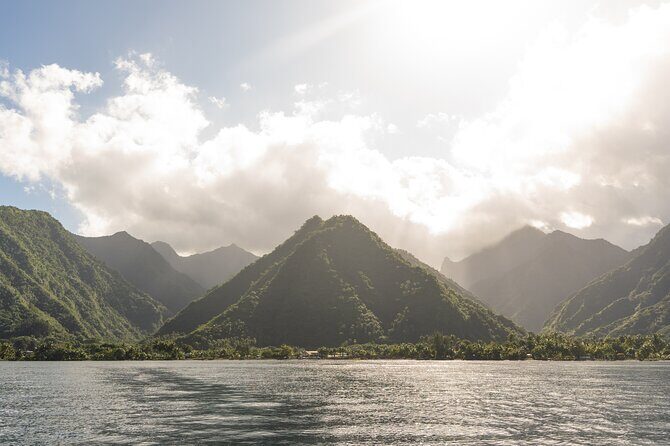
The tour is very clear that the approach is governed by rules set by the French Polynesia whale station. In practice, that means you’re not just drifting anywhere and doing whatever feels cool. The crew follows defined station rules for observation and approach.
This matters for two reasons:
First, it protects you. You’ll know what’s expected in the water and what you should not do. The tour also states an observation period and approach rules are defined by the stationing rule in French Polynesia, so the day is run with structure.
Second, it protects the whales. The experience is described as a natural marine mammal observation activity where observations are not guaranteed, and the launch is not mandatory and not systematic. That is a huge signal: if the whales aren’t behaving in an appropriate way, the activity won’t force proximity.
So when you plan your day, think of the experience as guided viewing that may include a swim moment when conditions allow. The best crews don’t pressure outcomes—they manage risk and respect.
When you can launch with humpbacks (and when you just observe)
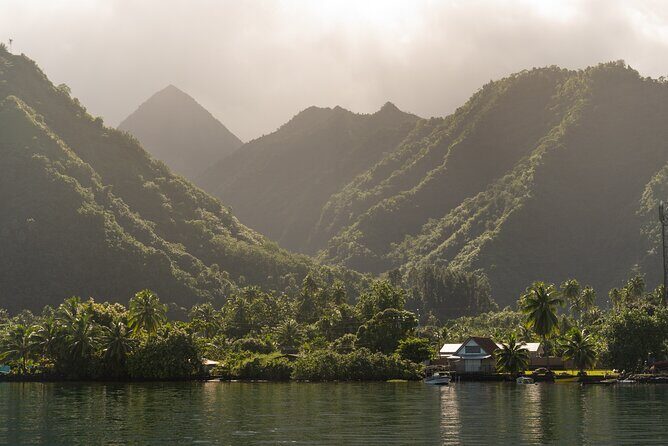
This is the part to read carefully, because the biggest wow moment—if it happens—depends on meeting the requirements.





Swimming/launch requirements
To participate in the launch with whales, it is essential that:
- you can swim at least 200 meters without assistance
- you’re comfortable in a natural ocean environment, even with a slide
- you won’t panic in contact with large marine animals (the tour lists 1 to 30 tonnes)
- children under 12 are not launched with whales
For ages 12 to under 18, launch participation is subject to parental authorization. If there’s doubt, children may participate as observers on board. The crew is also allowed to act in the best interests of passengers.
Water limits
There’s also a strict limit in the water: maximum permitted size is 6 swimmers + 1 guide. That’s a meaningful constraint. It tends to reduce overcrowding and keeps the experience controlled rather than chaotic.
Non-swimmers and observers
If you’re an adult non-swimmer/observer, you do not launch with the whales, but you can still take part in the overall activity. In other words, you’re buying into the whale day experience, not only a guaranteed swim.
This setup helps you make a realistic decision. If you want the swim moment, you must train your comfort and physical ability. If you’re happy to observe from the boat and snorkel, you can still enjoy the day when the whales come close enough.
Snorkeling gear included: how to get ready for Tahiti’s ocean reality
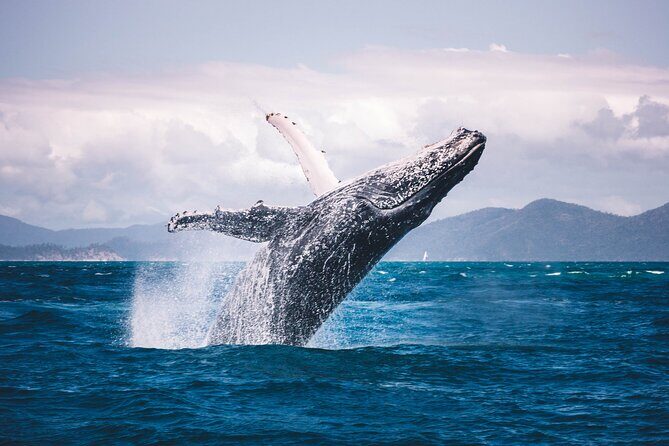
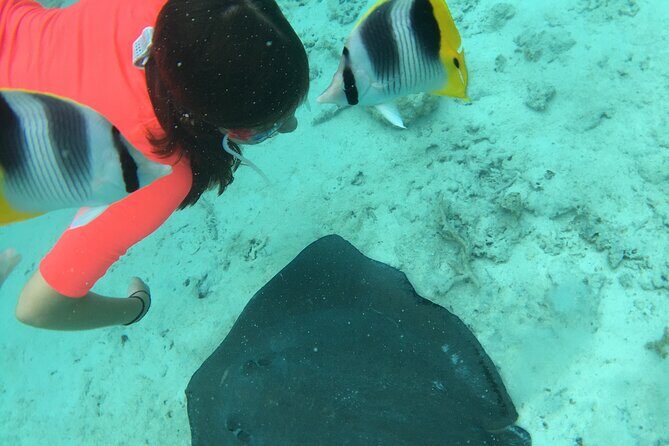
The tour includes snorkeling equipment and safety equipment, so you don’t need to pack your own. That said, you still want to show up ready for ocean conditions.
The tour specifically calls out comfort even with a slide, which hints at how access to the water works onboard. Even if you’re only snorkeling, you should be at ease in open water and not be thrown off by waves, spray, or changing visibility.
Because the whale approach follows rules, you may not always get a long “tourist snorkel session.” Some days become more about observation than about exploring underwater. That’s normal. It’s a whale encounter day first.
If you’re prone to cold or you’re not used to moving in water with gear, bring that reality to your planning. You can’t control the ocean, but you can control how prepared you are.
Why the experience is priced at $188.27: value beyond the sticker
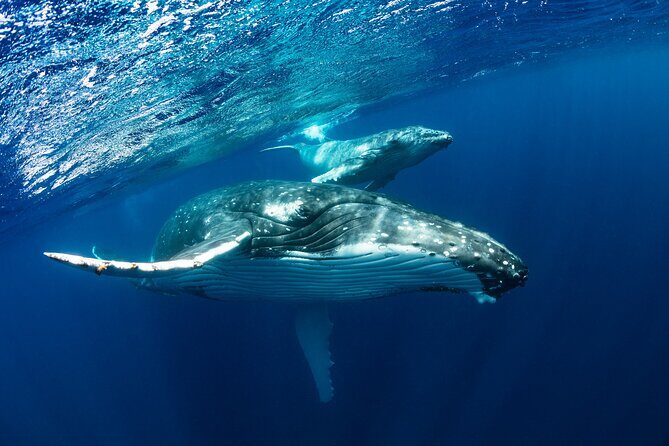
At $188.27 per person for an approximately 4-hour outing, you’re not paying for a “cheap look.” You’re paying for several things that add up fast:
- a small-group format (maximum 8 travelers)
- professional crew, including a captain and guide
- included snacks, coffee/tea, bottled water
- included snorkeling and safety equipment
- time and planning tied to whale observation rules and conditions
- an optional, ability-based launch with a controlled number of swimmers (6 + 1)
The biggest value factor is also the hardest one to monetize: safety and respect. Whale days require training, clear communication, and careful handling. Even the best whales sightings can turn risky if a crew is sloppy. The reviews emphasize that the crew cares about safety for passengers and whales, and that matches what you should want at this price point.
Also note the booking rhythm: it’s often booked about 88 days in advance on average. That doesn’t automatically mean scarcity, but it does signal demand during the better whale season windows. If you want specific dates, you’ll usually have a smoother time locking in early.
What I’d watch for on your day: the practical checklist
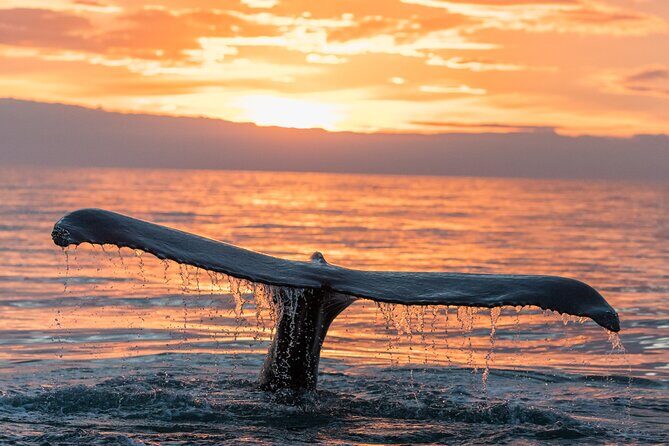
Here’s how to think like a smart guest, not a passenger hoping for luck.
Check your own swim confidence first. If there’s any hesitation about swimming 200 meters without assistance, don’t assume you can “tough it out.” Comfort and safety matter more than pride.
Decide what you’re paying for: swim moment vs. observation day. Because the launch is not systematic, the day is best framed as whale watching that may include a swim when conditions are right.
Dress and plan for real ocean exposure. Even with equipment and crew support, you’re in a natural marine environment. If you get anxious about open water or sudden changes, be honest with yourself ahead of time.
Go with the crew’s pace. The station rules and approach rules are there for a reason. Follow instructions fast and you’ll get the smoothest experience.
Who should book this whale-watching trip (and who should skip it)
This tour is a strong fit if you want:
- humpback whale watching in a more controlled, small-group format
- the chance to snorkel with provided gear
- a crew that focuses on whale respect and passenger safety
- a half-day outing that still feels focused and guided
It’s less ideal if:
- you’re expecting a guaranteed swim with whales every time
- you don’t meet the swim and comfort requirements for launch participation (even if you can observe from the boat)
- you want hotel pickup handled automatically (pick-up is listed as possible on request, but it’s not included by default)
Families should especially read the age rules. Children under 12 are not launched with whales, and 12 to under 18 needs parental authorization for the launch option.
Should you book Whale watching on the Tahiti Peninsula?
If you’re traveling in the permitted season and you want a whale day run by professionals with clear rules, I’d book it—especially because the operator includes key comfort items like snacks, drinks, and snorkeling gear, and keeps the group small.
Do book with the right mindset: this is natural observation, with swimming as a conditional bonus. If you can swim comfortably and you’re open to the ocean experience, the payoff can be huge. If you can’t swim or you’re not comfortable with the launch requirement, you can still enjoy the whale-focused day from the boat, and that’s still a meaningful experience.
FAQ
FAQ
How long is the whale watching excursion on the Tahiti Peninsula?
It runs about 4 hours (approx.), and the average visit time is often in the 3 to 4 hour range.
Is swimming or launching with the whales guaranteed?
No. Observations are not guaranteed, and the whale launch is not mandatory and not systematic. It depends on conditions and the rules for approach.
What dates are humpback whale observations permitted?
The tour states observations are allowed from 20 July/August to 20 November, subject to DIREN approval.
What do I need to do to join the launch with whales?
You must be able to swim at least 200 meters without assistance, be comfortable in the natural ocean environment (including with the slide), and be able to stay calm around large marine animals. Children under 12 are not launched with whales.
Is snorkeling equipment included?
Yes. Snorkeling equipment and safety equipment are included, along with coffee/tea, bottled water, and snacks.
Is there pick-up included?
Pick-up is not listed as included, but it is possible on request.
If you want, tell me your travel month and whether you’re a confident swimmer. I can help you decide if you’re likely to qualify for the whale launch moment or best plan for observation day.