REVIEW · BORA BORA
Whale Watching Tours in Bora Bora
Book on Viator →Operated by Tohora Bora Bora · Bookable on Viator
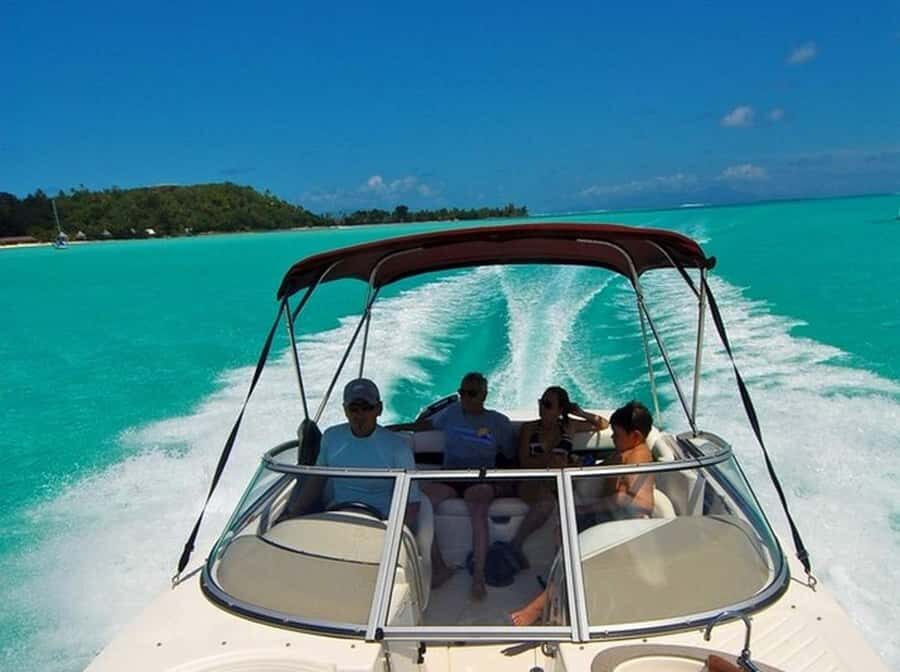
Bora Bora’s whales don’t show up on a schedule. What makes this trip stand out is the mix of small-group attention, a guide who talks with respect for humpbacks, and time out on the water where you can actually listen to their songs.
I like the directional hydrophone setup for hearing whale calls clearly, and I also like that the experience is built around strict safety and distance rules for a protected species. That combination turns it from a simple boat ride into something more thoughtful, even when the day is choppy.
One thing to consider: the optional in-water “launch” isn’t a guarantee. It depends on whale behavior and conditions, and if you do get in, it can involve swimming more than 100 m in open sea—so you’ll want strong comfort in the water.
In This Review
- Key Points That Matter Here
- Why Humpback Encounters Feel Different in Bora Bora
- Meet Simon, the Captain, and the Small-Group Rhythm
- Your 3 Hours 30 Minutes: How the Ocean Time Is Used
- Snorkeling Lagoon + Whale Watching: What That Combo Means
- The Launch Option: When Swimming Is Possible (and When It’s Not)
- Whale Songs Through a Hydrophone: What You Can Actually Learn
- When the Day Ends Without Whales: How to Think About It
- Price and Value: What $305.30 Covers
- Seasickness, Safety, and the “Quiet in the Water” Factor
- Who This Tour Suits Best (and Who Should Pass)
- Booking Decision: Should You Book This Whale Watching Tour?
- FAQ
- How long is the whale watching tour?
- How many people are on the boat?
- Is pickup included?
- Do I get a ticket for admission?
- Can I stay on the boat instead of going in the water?
- Is swimming with the whales guaranteed?
- What fitness level do I need?
- What happens if the tour can’t run due to weather or minimum numbers?
Key Points That Matter Here
- Max 6 travelers: you’ll get more space and attention than on larger boats
- Directional hydrophone: whale songs come through with exceptional sound quality
- Swim launch is optional and conditional: whales and weather decide what happens
- Strict approach rules: numbers, distances, and quiet behavior are taken seriously
- 3h30 on the ocean: be ready for waves or swell, not just calm lagoon cruising
Why Humpback Encounters Feel Different in Bora Bora
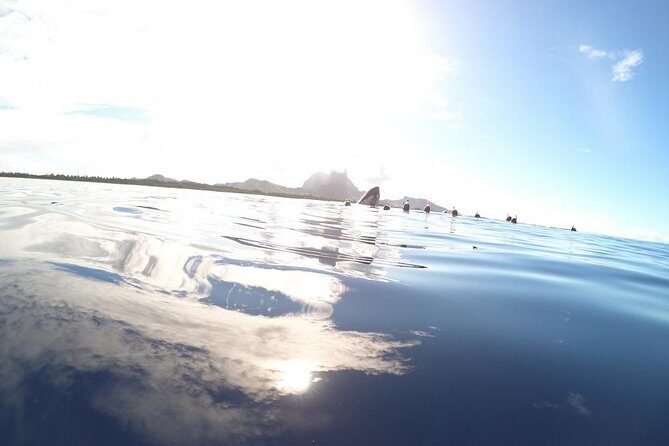
This is the kind of whale watching where the animals stay in charge. Humpbacks migrate and change their behavior day to day, so even a well-run hunt can end with fewer sightings than you hoped for.
That unpredictability is also the point. A good operator doesn’t treat whales like entertainment. They focus on respect and on keeping the experience safe—for you and for the whales.
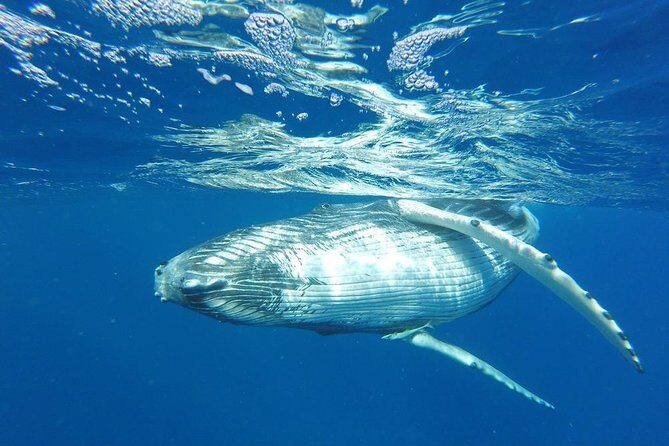
You’ll also learn that whale watching is partly about listening. On this tour, the boat is equipped with a directional hydrophone, so you’re not just scanning the horizon with your eyes. You’re hearing what whales are doing, even before you spot them.
And when you do see them, the encounter tends to feel close-up without being pushy. That comes from the rules: strict limits on numbers, distances, and how you approach.
You can also read our reviews of more whale watching tours in Bora Bora


Meet Simon, the Captain, and the Small-Group Rhythm
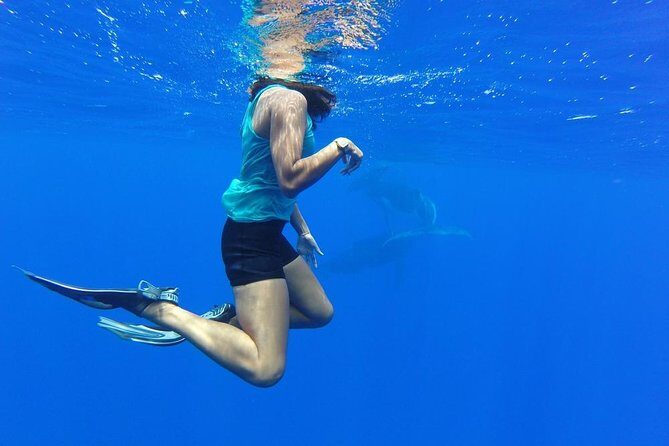
This excursion is led by a guide and captain—with Simon highlighted as the person sharing his passion and approach experience. He’s described as having respect and sensitivity for these marine mammals, which matters because whale behavior can change fast.
The boat is also set up for observation, not just sightseeing. The directional hydrophone is a big part of that. It helps the group tune in to the whales’ presence and activity.
The group size is capped at six travelers. In practice, that usually means more calm on the boat and fewer people trying to get the same view at the same time. It also makes the safety briefing and in-water guidance feel more personal.
There’s also pickup offered and the tour ends back at the meeting point. Add in the mobile ticket, and the whole thing feels low-stress on the logistics side. You’re not juggling paper vouchers or complicated meeting gymnastics.
Your 3 Hours 30 Minutes: How the Ocean Time Is Used
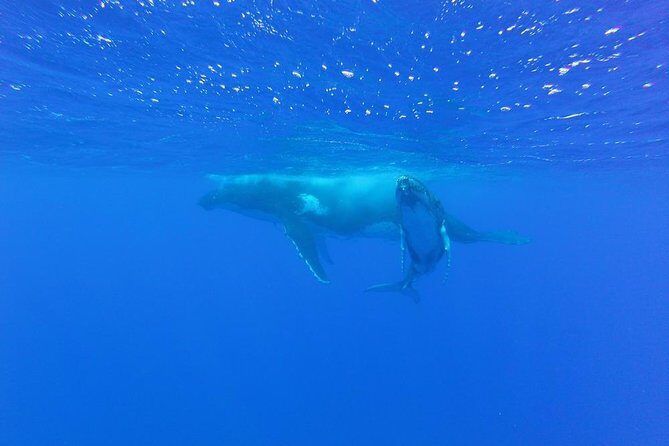
The tour lasts about 3 hours 30 minutes out on the water. That’s long enough to search properly when whales are moving, but not so long that you’ll feel wrecked if the sea is rough.
The day is structured around finding whale activity and then adjusting to what the ocean and animals allow. Sometimes you might spend more time looking and listening than you expect. That can be frustrating if you’re only thinking about swimming, but it’s usually what it takes.
Conditions can include waves or swell. The tour doesn’t pretend the sea will be gentle. If you’re the type who hates being rocked around, you’ll want to plan for that reality.
Also, the operator notes that observation and any potential in-water experience depend on maritime and weather conditions. That’s not marketing talk. It’s how this kind of activity stays safe and ethical.
Snorkeling Lagoon + Whale Watching: What That Combo Means
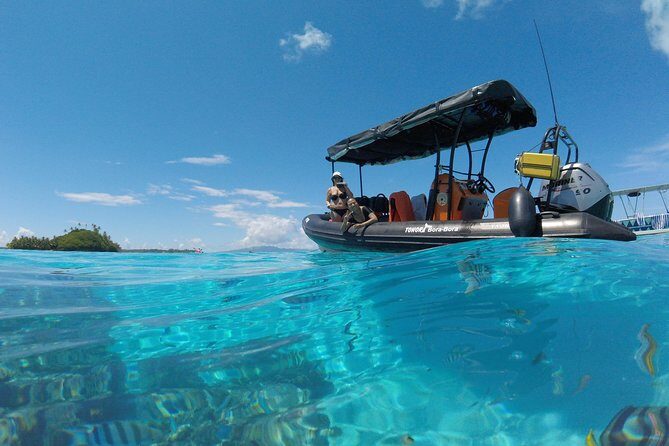
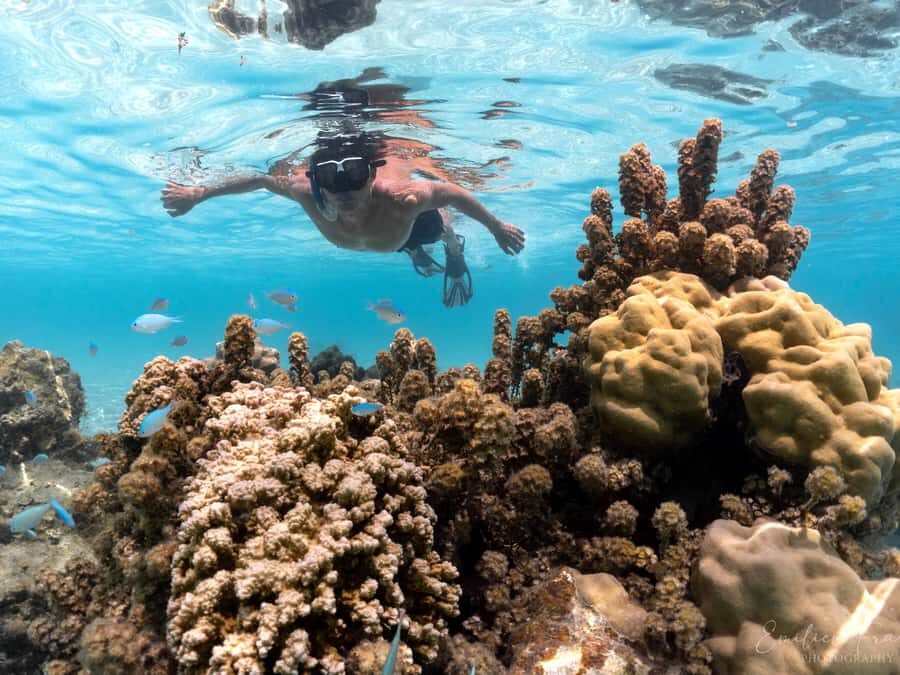
The activity is framed as snorkeling lagoon tours plus whale watching. So you’re not just waiting for a whale sighting from the boat.
On a practical level, it means you can expect time that’s connected to the water in a more active way than pure sightseeing. If whales are nearby and conditions are right, the tour can turn into an in-water encounter rather than a surface-level observation.
Here’s the realistic part: the exact flow depends on whale behavior and conditions. Some days you might snorkel and then watch whales from the boat. Other days, you might get more chances in the water.
One recurring theme in the feedback is that the guide focuses on making the most of the time they have. If the whales come close enough, you may get multiple opportunities to swim. If not, you’ll still have a boat-based encounter and a guided search process.
The Launch Option: When Swimming Is Possible (and When It’s Not)
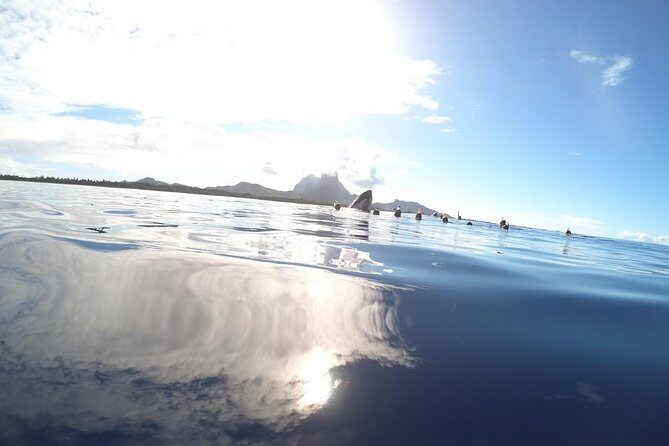
This is the part where you should pay close attention before you book. The optional “launch” does not ensure swimming. It’s described as involving swimming more than 100 m in open sea when it’s offered.
That’s a serious requirement. It’s not just about being able to float. It’s about being able to swim confidently in open water conditions, with ocean movement and distance.
The trip also makes it clear that you should have good physical condition and ease in the water. If you’re unsure, you’ll want to be honest with yourself and with the crew during the pre-entry talk.
One important perk: if you prefer, you can stay on board and watch. That’s a real option, not a polite afterthought. It can still be an incredible experience, especially when whales are active near the boat.
Also, the “launch” depends on whale behavior. If whales are not in an appropriate position for a safe approach, you won’t get forced into an in-water moment. That’s consistent with the operator’s emphasis on safety and respect.




Whale Songs Through a Hydrophone: What You Can Actually Learn

The hydrophone setup is one of the smartest design choices on this tour. Whale calls can carry in ways your ears can miss without the right equipment.
Because it’s directional, the sound experience feels more focused. Instead of hearing vague noise, you can pay attention to where the calls seem to be coming from and adjust your gaze accordingly.
In whale watching, that changes the whole vibe. You stop relying only on scanning. You’re also building a sense of timing and activity—when the whales might be near the surface, moving, or changing their behavior.
You may also notice how the crew uses quiet and positioning to avoid disturbing the animals. Reviews mention the guide’s focus on quiet behavior and swimmer discipline. That kind of guidance is part of what keeps this from turning into chaotic splashing.
And yes, sometimes you might see other ocean life too while waiting. One account described spotting tuna and flying fish during the action. Those moments don’t replace whale sightings, but they do add interest to the waiting time.
When the Day Ends Without Whales: How to Think About It
No whale watching tour can promise you whales. Animals don’t read calendars.
From the info you’re given, whale movement is unpredictable. Launch options are not guaranteed either, because whales may not swim near enough or the sea may not cooperate.
What you can judge is the effort and the approach. This operator emphasizes strict rules for numbers and distances, and the guide is described as actively searching while staying focused on safety and respect.
Sometimes you’ll hear mixed feedback about whether whales were spotted. That’s not rare in Bora Bora, where sightings can depend on migration timing, wind, sea state, and how whales are behaving at that moment.
If your main goal is guaranteed swimming with humpbacks, no tour can honestly sell that. If your goal is a guided, respectful whale hunt with a real chance at an in-water encounter, this style of operation fits that better.
Price and Value: What $305.30 Covers
At $305.30 per person, you’re not paying for a quick boat spin. You’re paying for a specialized crew, a small-group format, and time out on open sea searching for protected animals.
This price also reflects the equipment and process. The boat includes a directional hydrophone, and the experience is led by a guide and captain. Safety guidance for in-water conditions isn’t optional—it’s built into how the day runs.
There’s also a real logistical cost to running a smaller group whale tour. Fewer passengers usually means a higher per-person rate, but it also means you’re not fighting crowds or crowd-noise when whales are near.
The value question really comes down to fit. If you’re comfortable in water and you’re willing to accept that whales might not show, the experience can feel worth it. If you want a guaranteed outcome and you’re not comfortable with the swim-readiness expectations, it may feel expensive for something you can’t control.
Booking ahead helps. The tour is commonly booked about 39 days in advance on average, which suggests demand stays high.
Seasickness, Safety, and the “Quiet in the Water” Factor
Bora Bora can be calm, but this isn’t a guarantee trip. The tour notes you should expect waves or swell sometimes, which affects everyone’s comfort level.
If you get motion sick, bring that seriously into your planning. One guest mentioned they were helped with seasickness support, which is a good sign—but don’t treat that as a guarantee. You’ll still want your own plan.
Safety is taken seriously. You’ll get briefings that cover the approach to humpback whales without disturbing them, plus guidance on how to behave in the water.
If you’re a strong swimmer but tend to panic when conditions change, slow down and practice calming breathing. Whale swims can involve distance. They can involve open sea motion. The crew’s job is to keep things safe and controlled, but you’re still responsible for your comfort level.
Who This Tour Suits Best (and Who Should Pass)
This trip fits best if you:
- Are physically comfortable in the water and can handle open sea swimming if offered
- Like guided structure, rules, and quiet behavior around wildlife
- Want a smaller group experience with a captain and guide focused on whale behavior
- Prefer learning moments like whale song listening through the hydrophone
It might not be the best fit if you:
- Strongly prefer staying dry and don’t want any active water time at all (you can stay aboard, but you should understand that the best moments may be in the water)
- Are not confident swimming in moving water or at distance
- Want a guaranteed whale sighting or guaranteed swim time (the tour makes it clear those outcomes depend on animals and conditions)
One more practical point: you should be ready for the ocean environment. This isn’t a calm-lagoon-only experience.
Booking Decision: Should You Book This Whale Watching Tour?
I’d book this if you want a real whale hunt with a knowledgeable guide, strict respectful rules, and the chance of an in-water encounter when conditions allow. The small group size and the directional hydrophone make it feel more educational and intentional than many “spot whales from the boat” options.
I’d think twice if you’re expecting a guaranteed swim or you don’t want to meet the swim-readiness expectations. This tour is built around safety and respect first, not convenience for your itinerary.
If you’re flexible and you’re comfortable in the water, this is the kind of Bora Bora activity that can turn into a core memory: listening to humpback songs, tracking whale movement, and then (if the ocean cooperates) experiencing what it’s like to share space with a giant of the sea.
FAQ
How long is the whale watching tour?
It runs for about 3 hours 30 minutes on the ocean.
How many people are on the boat?
The tour has a maximum of 6 travelers.
Is pickup included?
Yes, pickup is offered, and the tour ends back at the meeting point.
Do I get a ticket for admission?
Yes, admission ticket is included.
Can I stay on the boat instead of going in the water?
Yes. If you prefer, you can stay onboard and watch from the boat.
Is swimming with the whales guaranteed?
No. The launch option does not ensure swimming. It depends on whale behavior and maritime and weather conditions.
What fitness level do I need?
You should have a strong physical fitness level, especially if swimming is offered. The tour can involve swimming more than 100 m in open sea.
What happens if the tour can’t run due to weather or minimum numbers?
If it’s canceled due to poor weather, you’ll be offered a different date or a full refund. If it’s canceled because a minimum number of travelers isn’t met, you’ll be offered a different date or experience or a full refund. Otherwise, the experience is listed as non-refundable and cannot be changed.