REVIEW · PAPEETE
Papeete : walking tour
Book on GetYourGuide →Operated by Papeete Discovery · Bookable on GetYourGuide
Papeete tells its story at street level. This 2-hour walking tour with guide Pauline is one of the easiest ways to understand Tahiti’s mix of Polynesian culture and French influence, with great stops like Bougainville Park, the cathedral, the market, and Town Hall. I especially like how Pauline connects what you see to what it means, and how the municipal market turns a quick visit into something you can actually use while shopping. One consideration: the waterfront area can get loud, and this tour isn’t set up in a way that guarantees quiet listening everywhere.
If you’re tight on time in Papeete, this is a smart fit. It’s a relaxed walk, with multiple scheduled stops so you’re not just marching from photo spot to photo spot. You’ll also get a clear sense of the city’s layout, so the rest of your day feels easier.
In This Review
- Key highlights worth planning for
- Getting oriented in Papeete on a 2-hour loop
- Pauline’s guiding style: clear, kind, and full of useful detail
- Bougainville Park: a calmer start before the civic center
- The Assembly of French Polynesia (and what happens on weekends)
- Catholic Cathedral and Town Hall: French architecture you can feel
- Market place time: where to look, what to ask, and what to buy
- Price and value: what $58 covers in real terms
- Pace, weather, and what to bring (so you don’t get grumpy)
- Who this tour is best for (and who should skip it)
- Booking with confidence: what matters before you go
- Should you book this Papeete walking tour with Pauline?
- FAQ
- How long is the Papeete walking tour?
- Where do I meet the guide?
- What languages are available?
- What should I bring?
- Does the tour change on weekends or public holidays?
- What is the cancellation policy?
Key highlights worth planning for
- Pauline’s “story-first” guiding style: history and culture explained in a way that stays practical.
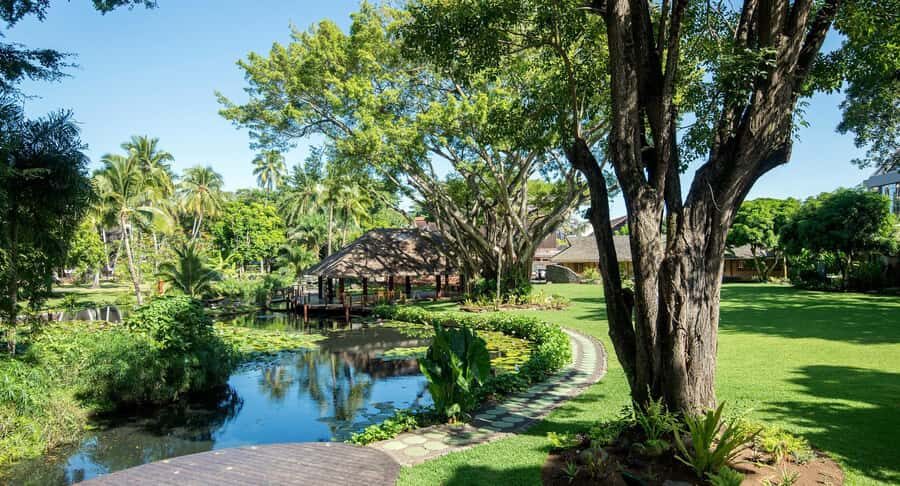
- Bougainville Park stop: a calm pause that helps you reset before heading back into town.
- Assembly of French Polynesia (weekday) vs Jacques Chirac Place (weekends/holidays): you won’t get stuck if one site is closed.
- Catholic Cathedral and Town Hall: clear examples of the French footprint in Papeete.
- Municipal market time: the best place on the route to understand local goods and what’s worth a second look.
- Easy logistics start: meet right inside Tahiti Tourisme, near the waterfront.
Getting oriented in Papeete on a 2-hour loop
A good city walk does two jobs. It shows you where things are, and it gives you enough context that you don’t just see buildings—you understand them. This tour is built for that. You start at Tahiti Tourisme (inside the Tourist Office near the waterfront) and return to the central area by walking through key civic and cultural spots.
The timing is ideal if you’re doing Papeete as part of a broader Tahiti visit. Two hours sounds short, but it’s long enough for real explanations at each stop and short enough that the walk doesn’t eat your whole day. I like that the pace is leisurely and designed around standing and short walking segments, not endurance hiking.
One practical note: because you’ll be outdoors for most of it, the sun and heat matter. Even with breaks, you’ll want to bring your basics (more on that below).
You can also read our reviews of more walking tours in Papeete


Pauline’s guiding style: clear, kind, and full of useful detail
The biggest reason this tour works is the guide. Pauline runs it like a conversation with structure—she explains what you’re looking at, then ties it back to how Tahiti and French Polynesia evolved. You’ll hear about the history behind the sites, but you also get cultural context that helps you make better choices the rest of your stay.
In the best moments, the tour feels like you’re getting local orientation in real time:
- what you’re seeing is not random
- why these buildings are where they are
- what to ask when you’re at the market later
You’ll also appreciate that the tour is offered in French, English, or Italian (and the guide can run in multiple languages, though that’s rare). That flexibility makes it easier if your group isn’t all speaking the same language.
And yes, Pauline brings warmth. Multiple guides can recite facts; fewer guides make you feel comfortable asking questions and switching topics when you’re curious.
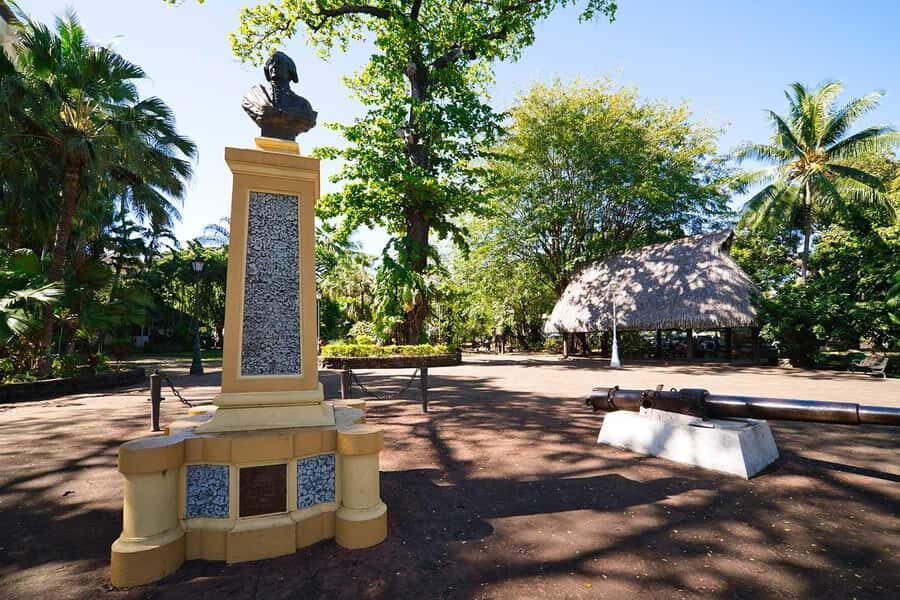
Bougainville Park: a calmer start before the civic center
Bougainville Park is a smart early stop because it changes the pace. You get a break from street noise and heat, and you see a different side of Papeete—more green, more space to think, and more of a feel for local plant life and the way outdoor spaces fit into everyday life.
This is also where you start learning how to “read” the city. After just a short introduction, you begin noticing details: how buildings relate to one another, where open areas sit, and how the waterfront zone blends into inland streets.
Possible drawback: parks are great, but you’ll still be outside. If the day is blazing hot, bring the hat and water you’re told to bring—don’t treat that as optional.
The Assembly of French Polynesia (and what happens on weekends)
The route includes a stop at the Assembly of French Polynesia—an important civic site that helps explain the French governance layer in Tahiti. It’s the kind of building that becomes more interesting once you know why it matters, and the guide puts that context in plain language.
Here’s the thing to watch: on weekends and public holidays, that Assembly stop may be replaced with Jacques Chirac Place. The tour is set up with that workaround so you don’t end up with a disappointment and empty time. It’s also a good reminder to keep an eye on the day you book, especially if you want that specific stop.
If you’re the type who likes seeing how a place is organized—government, public spaces, official architecture—this section will click for you.
Catholic Cathedral and Town Hall: French architecture you can feel
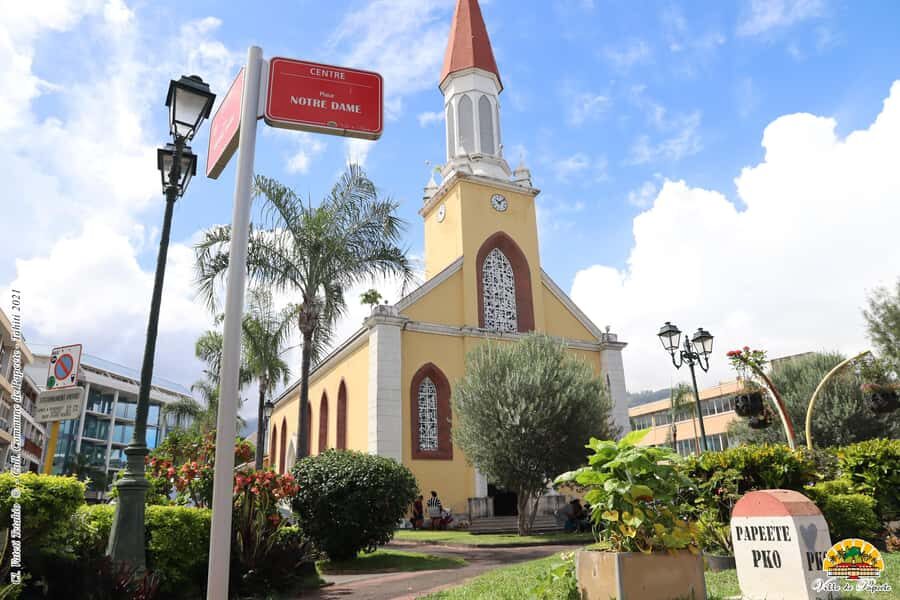
After the park and civic buildings, you’ll move into parts of downtown where the French influence shows up in architecture and planning. The historic Catholic Cathedral gives you a clear visual anchor. It’s not just a photo stop; it helps you understand how French heritage became part of the public landscape in Papeete.
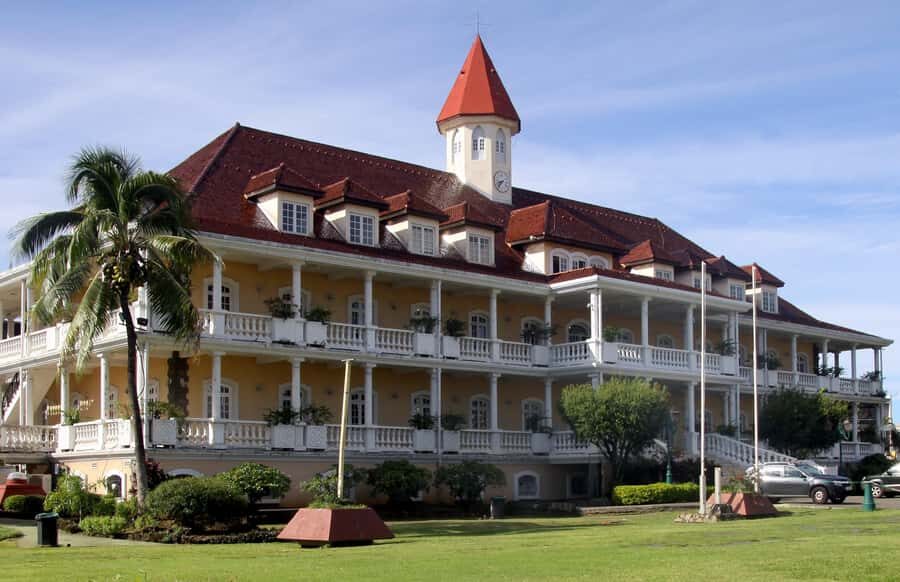
Then comes Town Hall, which rounds out the civic picture. Together, these stops help you build a map in your head: which areas feel more official, which zones feel more community-driven, and how the center of Papeete functions day to day.
These are often the spots where a walking tour earns its keep. Stand for a minute and you’ll start spotting design choices you’d otherwise miss. Pauline guides you to those details without turning it into a lecture—so you leave with a real sense of place.






Market place time: where to look, what to ask, and what to buy
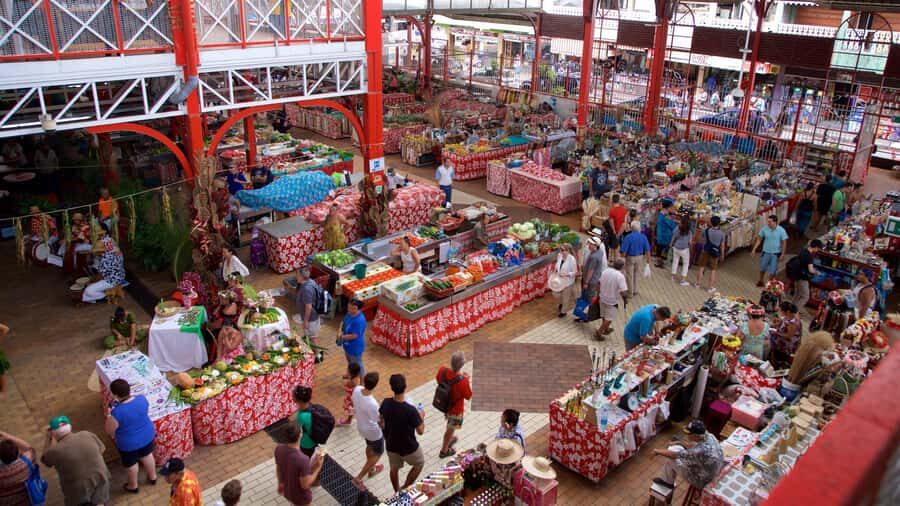
The municipal market stop is one of the most valuable parts of the whole walk. It’s the point where history becomes practical—because this is where local life shows up in products, colors, and everyday questions like: what’s local, what’s fresh, and what’s worth bringing home?
I like that the tour includes free access related to the visited sites, so you’re not juggling extra ticket confusion mid-walk. Once you’re there, Pauline’s explanations help you look past the obvious souvenirs. You’ll get a better sense of the types of goods people actually buy and what they’re used for.
What I’d do during market time:
- slow down and let yourself browse
- ask questions about items that catch your eye (especially anything you don’t recognize)
- keep an eye on what’s seasonal, if your guide mentions it
One small caution: markets can be warm and crowded, depending on the day. If you get overwhelmed easily, you’ll still be fine—just use the guide-led explanations as a way to pace yourself.
Price and value: what $58 covers in real terms
At $58 per person for a 2-hour city walk, the value comes from three things you don’t have to coordinate yourself:
1) A live multilingual guide (Pauline) who organizes your route and explanations
2) Pickup from the Tourist Office of Papeete area, right near the waterfront
3) Free admission for the buildings visited during the tour
So you’re paying for more than walking. You’re paying for context at multiple stops plus access to the sites on the route without separate hassle. If you’ve only got one or two half-days in Papeete, this can be the difference between roaming and understanding.
Compared with doing it solo, you also save time. Instead of guessing which civic buildings are worth your attention, you get a curated route that stays walkable and time-efficient.
Pace, weather, and what to bring (so you don’t get grumpy)
This tour is described as a leisurely two-hour walk. You’ll be on city sidewalks and you’ll stand at stops for explanations, but it’s not meant to be strenuous. You should still plan on comfortable footwear and some sun protection.
Bring:
- comfortable shoes
- sun hat
- water
If you’re the type who runs hot, consider starting earlier when possible. In at least one case, Pauline suggested an earlier start (around 8:30am) to avoid the worst heat. Even if your exact start time differs, the lesson is useful: beat the sun when you can.
Weather is another practical reality. Papeete can be wet, and the guide keeps going when the day turns rainy. If you want to stay comfortable, bring a light layer you can throw on quickly.
Noise is a third consideration. The waterfront area and central streets can be loud. One improvement you might wish for is audio support like headsets, but since that’s not something you should count on, plan to lean in and be present rather than expecting a quiet classroom vibe.
Who this tour is best for (and who should skip it)
This tour is a great match if:
- you’re in Papeete for a short time and want a quick orientation
- you like history explained through real buildings, not just facts
- you want help making the market stop more meaningful
- your group needs a guide comfortable with French, English, or Italian
It’s also a good pick for first day in Papeete. After two hours, you’ll have a clearer idea of where to head next—whether that’s shopping, wandering the waterfront, or spending more time at the sites you liked most.
You might skip it if:
- you hate walking outdoors altogether
- you want a tour with lots of transport breaks or long indoor portions
- you’re hoping for a deep architectural survey with extended time inside each site (this is still a city walk, not a museum day)
Booking with confidence: what matters before you go
A few details to keep your plans smooth:
- Make sure you’re using local time and date for your reservation.
- The Assembly stop may switch to Jacques Chirac Place on weekends and public holidays.
- The tour uses a relaxed walking rhythm, so it’s best for people who can comfortably stand and stroll for two hours.
Should you book this Papeete walking tour with Pauline?
I’d book it if you want a fast, friendly way to understand Papeete without doing hours of planning. The guide-led route hits the best mix of civic architecture, cultural context, park calm, and market practicality. At $58, the value lands well because you’re getting a multilingual guide plus free admission to the sites you visit—so your time stays focused.
Don’t book it if you’re looking for a silent, low-stimulation experience or if you prefer fully independent sightseeing. But if you can handle a bit of street noise and you pack the basics (shoes, hat, water), this is one of the easiest ways to get your bearings fast.
FAQ
How long is the Papeete walking tour?
It lasts 2 hours.
Where do I meet the guide?
Meet inside the Tourist Office at Tahiti Tourisme near the waterfront. Let the agent know you’re waiting for Pauline.
What languages are available?
The guide can run the tour in French, English, or Italian. Multiple languages are possible, though it’s rare.
What should I bring?
Wear comfortable shoes and bring a sun hat and water.
Does the tour change on weekends or public holidays?
Yes. The stop at the Assembly of French Polynesia may be replaced by Jacques Chirac Place, since the Assembly can be closed during those times.
What is the cancellation policy?
You can cancel up to 24 hours in advance for a full refund.