REVIEW · TAHITI
Observe and Swim with Whales in Tahiti
Book on Viator →Operated by Tahiti Activities Center · Bookable on Viator
Tahiti’s whale nursery feeling hits fast. This 3-hour outing pairs a quiet whale search with snorkeling time, keeping the group small so you get close without feeling crowded. You’ll start at Te Moana Tahiti Resort in Puna’auia and spend the morning moving between lagoon warmth and open-ocean energy, with guides who focus on respectful animal behavior.
What I like most is the small maximum group size (10 people), which changes the vibe from a cattle-call to a calm, watchful day. I also like that the tour provides the key gear—fins, mask, snorkel, and towels—so you can show up light and just enjoy the water.
One key consideration: you might see whales but not get a whale swim if the conditions or the whales’ positioning aren’t right. Rough seas can also make swimming difficult, and a few people reported getting sea sick during the boat ride.
In This Review
- Key highlights to know before you go
- Tahiti Whale-Calf Season: the vibe you’re paying for
- Where it starts at Te Moana Tahiti Resort (and why location matters)
- The boat ride: spotting whales while staying calm
- Whale approach rules: why your movement affects the outcome
- When swimming with whales is possible (and when it isn’t)
- Snorkeling for turtles: the splash moment you should plan for
- What’s included for snorkeling
- Seasickness and rough water: be honest with yourself
- Price and value: what $169.10 buys you here
- Who this tour suits best (and who should choose differently)
- Practical timing tips for a smoother 3-hour outing
- The small-group experience: why 10 people changes everything
- Should you book this Observe and Swim with Whales in Tahiti?
- FAQ
- How long is the Observe and Swim with Whales in Tahiti tour?
- Where do I meet for the tour?
- What is the maximum group size?
- What snorkeling gear is provided?
- Will I definitely swim with whales?
- What animals might you see?
- Do I get a whale guide and captain during the tour?
- Is confirmation provided when I book?
- What if the weather is poor?
- Are service animals allowed?
Key highlights to know before you go
- Max 10 on board for a more respectful, lower-stress whale approach
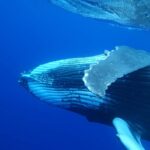
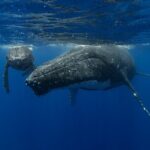
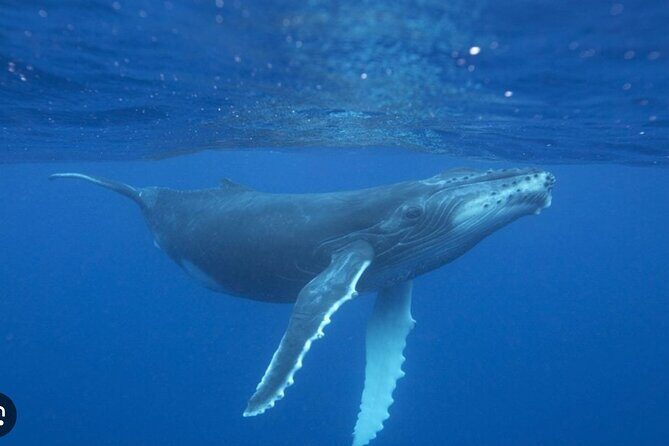
- Whale calves in warm Polynesian waters, with guides teaching how to move around them
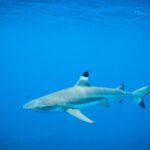
- Snorkeling for sea turtles plus a shot at other sea life (including sharks)
- All snorkeling gear provided: fins, mask, snorkel, and towels
- Underwater whale activity is a real possibility, including reports of singing
- Swim timing depends on weather and whale behavior, not just luck
Tahiti Whale-Calf Season: the vibe you’re paying for
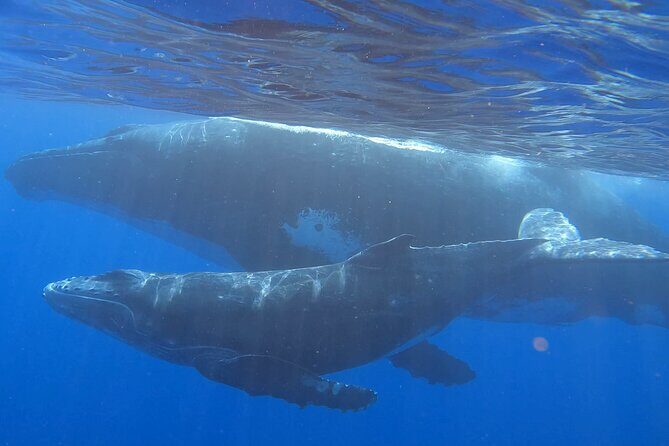
This tour is built around a simple idea: Tahiti’s warm waters can act like a nursery zone for whales and their calves. When that’s happening, your odds of seeing whales are higher than if you’re just doing a generic “whales from the boat” day. The tour is also clear that the goal is not to force anything. You’re there to observe, then swim only when it’s safe and when the whales are calm enough for a close, undisturbed approach.
That’s why the tone matters. A lot of whale tours turn into nonstop scanning and yelling. Here, the focus is on “respect for the animals” and learning how to move around them. Even if you end up snorkeling mostly with turtles, that calm, controlled approach still makes the experience feel like you’re part of the ocean rhythm instead of trying to interrupt it.
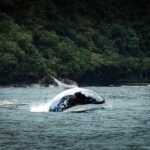
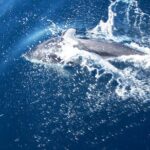
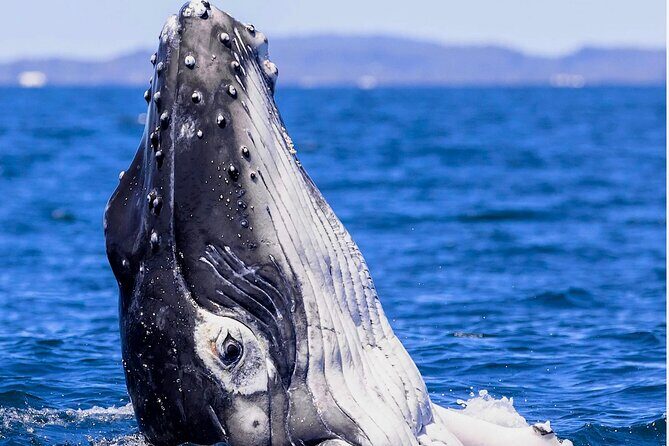
And yes, people do report big moments—breaches, calves nearby, and even underwater singing. That last part is wild to imagine until you’ve heard enough whale talk to realize it’s possible for sound to carry underwater during a good encounter.
You can also read our reviews of more whale watching tours in Tahiti
Where it starts at Te Moana Tahiti Resort (and why location matters)
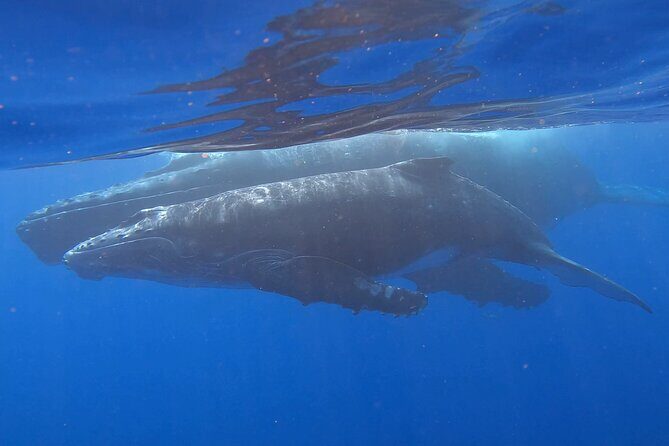
You meet at Te Moana Tahiti Resort in Puna’auia. Getting there is part of making the day feel easy, and this start point is described as being near public transportation, which is useful if you’re not staying within walking distance of a private pickup.
The tour ends back at the meeting point, so you’re not stuck with a long transfer after you’re tired and salty. After about 3 hours on the water, that return route matters. It’s also a nice detail for pacing: you can plan the rest of your day without wondering how long the ride back will take.
The boat ride: spotting whales while staying calm
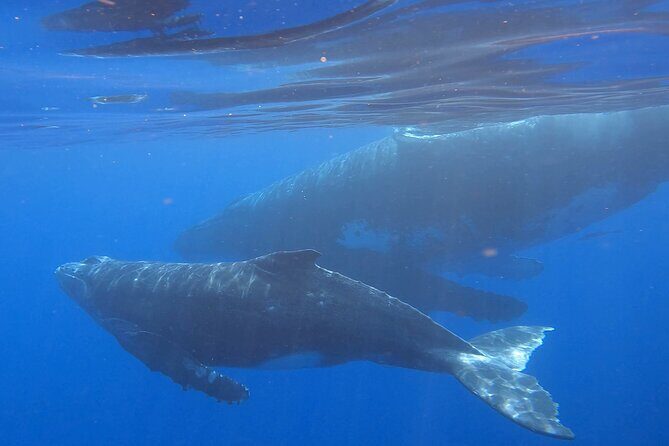
Once you’re on the comfortable boat, you’ll have time to settle in before the serious whale searching starts. The tour is designed for a small group, and that helps during spotting. Fewer people means less noise and less shuffling, which matters when you’re trying to read the water and spot behavior changes.
The crew and guides are also part of the experience. One guide named Johannes is specifically mentioned for knowing a lot about humpback behavior. That kind of guidance is more than trivia. When you understand what you’re looking for—like patterns that suggest whales are hanging out versus moving through—you can understand why the day might include a whale swim or might stay observation-only.
Another practical piece: the ocean can be rough. One review mentioned rough seas, and swimming didn’t happen even though the boat got them respectfully close to whales. Translation: you’re going for the whole experience, not just one photo moment.
Whale approach rules: why your movement affects the outcome
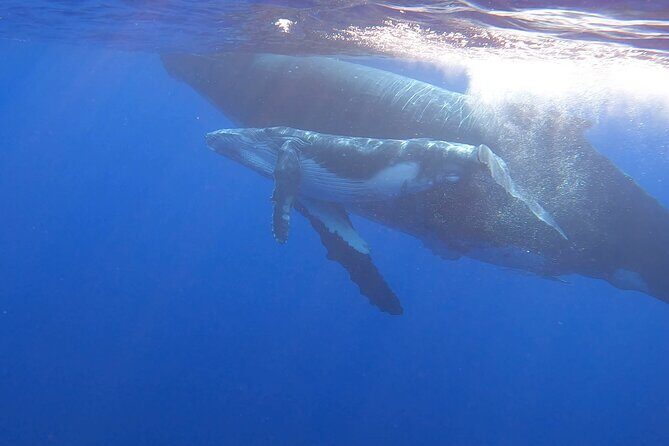
This tour’s promise isn’t just whales. It’s whales plus an “undisturbed approach.” That means you’ll be taught how to handle your body in the water—how to stay steady, how to move, and how to keep your attention on what the whales are doing rather than on what you want to do.
Why this is important for you: it directly affects whether a whale swim is possible. In the reviews, some people saw whales but didn’t get to swim. One person said it made sense because conditions have to be right and whales have to be in the area and not on the move. That lines up with what the tour describes: the animal’s comfort comes first.
So even if you’re disappointed in the moment, you can feel good about what’s going on. This isn’t a “push until it happens” type of tour. It’s a “wait until it’s right” type.
When swimming with whales is possible (and when it isn’t)
You should treat whale swimming as conditional. The tour is called Observe and Swim with Whales, but the real world adds layers: weather, sea state, and the whales’ behavior.
Here’s what you can learn from actual outcomes on similar days:
- If the sea state makes it unsafe or hard to swim, you may stay on the boat while the crew gets you close.
- If whales are actively moving through the area, you may not get the calm window needed for an in-water approach.
- If the whales do hang around and you get the right conditions, you may enjoy more intimate moments, including reports of whales approaching the boat and even moving underneath it.
One review described a juvenile male and underwater singing, plus a later moment with a beautiful female swimming up and under the boat. That’s the kind of encounter that tends to happen when timing and animal behavior line up.





Snorkeling for turtles: the splash moment you should plan for
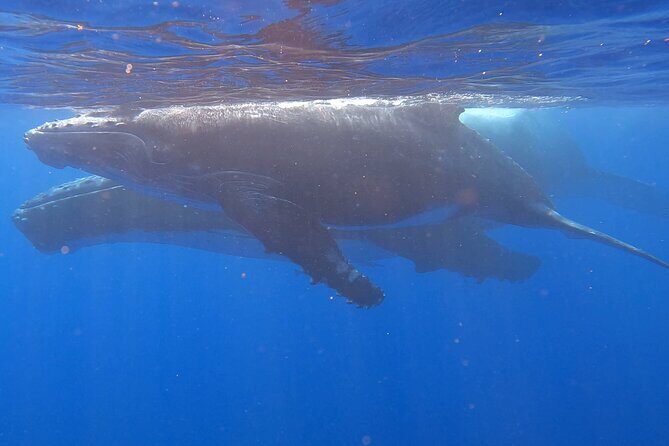
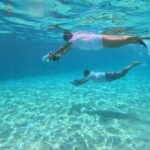
Even when whale swimming doesn’t work out, you’re not stuck with just whale watching. At the end of the tour, the captain and guide provide a fun, memorable “splash” moment connected to swimming with sea turtles. The tour specifically calls out sea turtles such as green turtles and hawksbill turtles, plus the possibility of sharks and other surprises.
This matters because it changes your fallback plan. If you do not get a whale swim due to conditions, you can still expect a meaningful water moment with wildlife. Reviews back this up: multiple people who didn’t swim with whales still snorkeled with turtles, and they came away happy.
What’s included for snorkeling
You’ll have the essentials on hand:
- Fins
- Mask and snorkel
- Bath towel
- Towels described as soft and water-bath style
That’s a big value point. Buying or packing your own mask and snorkel for one short tour can feel like extra hassle. Here, you show up, get fitted quickly, and spend your energy on watching animals instead of fiddling with gear.
Seasickness and rough water: be honest with yourself
This is the part I want you to take seriously, because one review mentioned sea sickness and the crew took that person back to shore. That tells me the tour has a real-world safety response if someone can’t handle the boat ride.
So if you know you’re sensitive to motion:
- Bring what you normally use for seasickness (and use it before you feel awful).
- Don’t assume you’ll “tough it out.” Conditions vary, and the ocean won’t care about your optimism.
Also, if rough seas are likely on your travel days (common in many open-water areas), keep your expectations flexible. You can still have a great whale encounter, even if you don’t end up in the water.
Price and value: what $169.10 buys you here
At $169.10 per person, this isn’t a budget activity. The value comes from a few specific things:
- You’re paying for a small group. Maximum 10 travelers keeps the experience calmer and gives the crew room to manage everyone around wildlife.
- Snorkeling gear is included. Fins, mask, snorkel, and towels reduce friction, so you’re not spending extra money or time.
- Guided animal behavior matters. When guides can explain humpback behavior (Johannes is named for this), you don’t just see water spouts. You understand what’s happening and why the tour may or may not transition into a swim.
- You get more than one wildlife opportunity. Even if whale swimming doesn’t happen, turtles are part of the plan.
In other words, the cost isn’t only for “being near whales.” It’s for the combination of boat time, instruction, wildlife respect, and included snorkeling.
Who this tour suits best (and who should choose differently)
This works best for:
- People who want real wildlife time, not just photos from far away
- Swimmers and snorkelers who can handle open water conditions (and who like the idea of following a guide’s instructions closely)
- Anyone who appreciates responsible animal viewing and a calmer group dynamic
You might rethink it if:
- You’re extremely prone to seasickness and can’t use motion medication
- You need a guaranteed in-water whale swim every time. This experience depends on conditions and whale behavior.
That said, the reviews show you can still come away satisfied even when whale swimming doesn’t happen—because turtles are part of the water time, and the boat encounters can be genuinely active.
Practical timing tips for a smoother 3-hour outing
You’ll spend about 3 hours total, so it’s not the kind of tour where you can treat it like a casual stroll. Plan like it’s a real activity day:
- Eat something light before you go, since you’re going out on the water
- Wear water-ready gear you’re comfortable getting wet
- Keep your focus on listening to the guide during any whale sightings. When the crew calls attention to behavior, you’ll get more out of it.
And since the tour provides a bath towel and snorkeling gear, your prep job is mostly clothing and comfort.
The small-group experience: why 10 people changes everything
When a tour limits itself to 10 people, you feel it immediately:
- Less crowding at the water’s edge
- Fewer bodies to coordinate in the ocean
- More time for the guide to manage how you move and where you look
That’s not just a “nicer” detail. It can affect the animal encounter itself. Less chaos means you’re more likely to stay respectful, stay calm, and meet the crew’s plan for safe, controlled swimming.
Should you book this Observe and Swim with Whales in Tahiti?
If your goal is to see humpback whales (and ideally swim when conditions line up) while also snorkeling with turtles, I think this is a strong choice. The best-case moments can be jaw-dropping—breaches, whales close to the boat, and even reports of underwater singing. Even in less perfect conditions, you still get a meaningful wildlife water time with turtles.
Book it if you:
- Want a small, guided ocean experience near Puna’auia
- Are comfortable with the idea that nature sets the schedule
- Like snorkeling and want gear included
Consider choosing another day or another type of tour if you:
- Get sick easily on boats and can’t handle open water
- Need certainty of an in-water whale swim, regardless of sea state
Overall: this is one of those tours where flexible expectations pay off. You’re buying time, instruction, and access to a real whale-turtle ocean setup in Tahiti—not a forced guarantee.
FAQ
How long is the Observe and Swim with Whales in Tahiti tour?
It lasts about 3 hours (approx.).
Where do I meet for the tour?
The start point is Te Moana Tahiti Resort in Puna’auia, French Polynesia. The tour ends back at the meeting point.
What is the maximum group size?
The tour limits it to a maximum of 10 travelers.
What snorkeling gear is provided?
The tour provides fins, a mask, a snorkel, and a bath towel.
Will I definitely swim with whales?
Not necessarily. Whale swimming depends on conditions and on where the whales are, so some people may only observe from the boat while still getting a whale encounter.
What animals might you see?
The tour mentions whales and their calves and also includes a swim with sea turtles (including green turtles and hawksbill turtles), with the possibility of sharks and other surprises.
Do I get a whale guide and captain during the tour?
Yes. A captain and a guide run the experience, and the guide may provide instruction on how to approach the whales respectfully.
Is confirmation provided when I book?
You’ll receive confirmation at the time of booking.
What if the weather is poor?
This experience requires good weather. If it’s canceled due to poor weather, you’ll be offered a different date or a full refund.
Are service animals allowed?
Yes, service animals are allowed.