REVIEW · RANGIROA
Rangiroa 2-tank Certified Scuba Dive
Book on Viator →Operated by TOPDIVE · Bookable on Viator
Rangiroa turns a morning into a moving underwater show. This two-tank scuba outing focuses on getting you into the water twice, with an experienced crew guiding you through Rangiroa’s conditions so you know what to expect before you start. I also like that the operation brings in guides who really teach the plan, including Monica and Manu, who are noted for walking divers through the drift.
The second big win is how stress-free the logistics feel: scuba gear and transport are included, plus pickup is offered. One possible drawback to flag up front is that this is certified-only, and you’ll complete a health questionnaire; if you’ve flown recently or have certain medical conditions, you may be held back.
If you want a compact day (start at 8:00 am, about 4 hours total) with a maximum of 8 people, this format makes sense. You get to spend the time that counts on the water, not standing around.
In This Review
- Key points before you go
- Rangiroa’s two-tank plan: what you’ll do in about 4 hours
- The small-group advantage (max 8): easier guidance, less chaos
- Certified-only rules, health questionnaire, and the 48-hour flying gap
- What’s included: gear, a real guide, and transport that saves your brain
- Rangiroa wildlife and the drift briefing: how you spot more
- Price and logistics: where the money goes and what to check
- Should you book the Rangiroa two-tank outing with TOPDIVE?
- FAQ
- Is this outing only for certified divers?
- How many tank sessions are included?
- What time does the outing start and how long does it last?
- What’s included in the price?
- Is pickup available?
- What group size should I expect?
- Do I need to fill out a health questionnaire?
- What if I recently flew, or I have a medical condition?
- What if weather is poor or I need to cancel?
Key points before you go
- Up to 8 people keeps the experience calmer and easier to follow.
- Two tank sessions means you’re not burning your whole day on one quick window.
- Monica and Manu are praised for clear explanations of Rangiroa drift conditions.
- Gear + guide + transport included so you’re not hunting rentals or scrambling for boats.
- Certified divers only, with a health questionnaire required before you go in the water.
- Weather matters: if conditions are poor, they’ll adjust dates or refund fully.
Rangiroa’s two-tank plan: what you’ll do in about 4 hours
This outing is built around a straightforward rhythm: show up early, gear up, get a safety and site briefing, then head out for at least two tank sessions. The start time is 8:00 am, and the whole thing runs about 4 hours. In practical terms, that’s enough time to see plenty without turning your day into a long, travel-heavy project.
Here’s how the timing usually feels on a morning like this (and why it matters):
- Arrival and pickup (if you’re using it). You’ll meet the team and get sorted fast. If pickup is offered for your location, it removes the common hassle of figuring out where to be and when.
- Gear handling and quick checks. Since equipment is included, you can focus on fitting and listening instead of wasting time renting and reassembling stuff.
- Briefing for conditions. This is where the guides earn their keep. In particular, Monica and Manu are credited for explaining Rangiroa’s drift conditions clearly, so you’re not surprised once you’re underwater.
- First tank session. You’ll head out with your guide and spend your first underwater window spotting marine life.
- Break and reset. You’ll surface, regroup, and then get ready for the second tank.
- Second tank session, then back on land. The second tank is the one that often feels like a cheat code, because by then you’ve already figured out the flow of the day and your buoyancy confidence is usually better.
What I like about this structure for you is the balance: you get repetition (two separate tanks) without turning it into a full-day expedition. That also helps if you’re planning other island activities later the same day.
A small caution: if you get nervous about currents or drifting, use the briefing time well. Ask questions before you enter the water—especially about how you’ll move relative to the current and what your guide expects from you.
You can also read our reviews of more tours and experiences in Rangiroa.
The small-group advantage (max 8): easier guidance, less chaos
A maximum of 8 travelers is not just a number on paper. It changes how the day feels.
With a small group:
- Your guide can keep a closer eye on everyone’s setup and comfort.
- Briefings tend to be clearer because the group isn’t too big to manage.
- You’re less likely to spend time waiting for someone to catch up or get ready.
This matters most in Rangiroa, where conditions can include drift. One review specifically praised how the guides explained the drift setup in advance, which helps you relax instead of guessing once you’re in the current.
It also helps with equipment use. When a shop handles a smaller group, the process of gearing up and stepping into the plan tends to be quicker and more orderly—less time standing around in the sun wondering what happens next.
If you’re the kind of diver who likes a bit of coaching and doesn’t want to be swallowed by a large crowd, this size is a real plus.
Certified-only rules, health questionnaire, and the 48-hour flying gap
Let’s talk eligibility, because this outing is firm about it—and that’s actually good for safety.
This is for certified divers only, and you’ll be asked for proof of your dive certification. In addition, you’ll complete a health questionnaire prior to diving. The information notes that certain pre-existing conditions (like asthma or heart conditions) may prevent you from diving, so it’s worth checking with your doctor if you’re unsure.
Timing matters too. Diving within 48 hours of flying is not recommended. That’s a key detail that’s easy to overlook when you’re building your island itinerary.
Here’s how to use this info practically:
- If you’re arriving from another island or changing flights, give yourself at least a little buffer before your water activity.
- If you have any condition that affects breathing or your heart, don’t wait until the morning-of—get advice early so you don’t lose money or waste a slot.
- Fill out the health questionnaire honestly and completely. If something makes diving not advisable, it’s better to know ahead of time.
This outing is “easy and stress-free” in the sense that the operation handles gear and transport, but the participant side still needs to be squared away. If you meet the certified and health requirements, your day should feel smooth.
What’s included: gear, a real guide, and transport that saves your brain
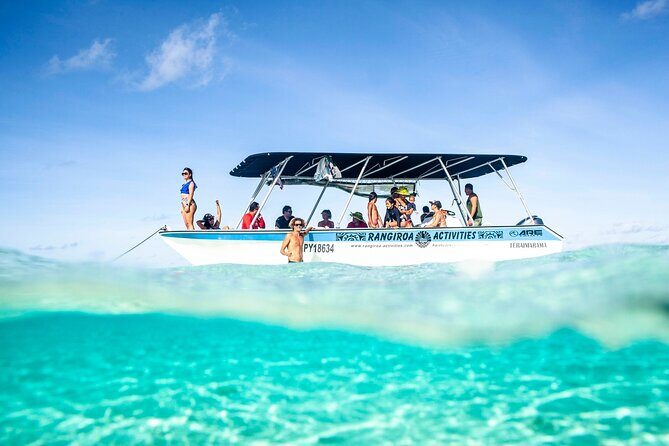
The value here is that the essentials are bundled together. The program includes:
- Scuba guide support
- Dive equipment (you don’t need to bring rentals or worry about compatibility)
- Transport to and from the dive sites
- At least two tank sessions
- Pickup offered
That mix is exactly what you want when you’re traveling, because it removes common friction points:
- You don’t need to hunt a rental shop.
- You don’t need to coordinate your own boat or local transportation.
- You don’t need to figure out where to be and how to get there at the right time.
You’re paying for a managed day. For $201.04 per person, the “good value” part comes from the fact that you’re not buying multiple separate services. Two tank sessions with guide, equipment, and transport included usually costs more if you try to piece it together last minute—especially in places where timing and weather are part of the deal.
Also, because the group is small and the guides are experienced, you get more than just equipment drop-off. The explanations about drift conditions are the clearest example: it’s not only about getting in the water, it’s about knowing how to move through it.
Rangiroa wildlife and the drift briefing: how you spot more
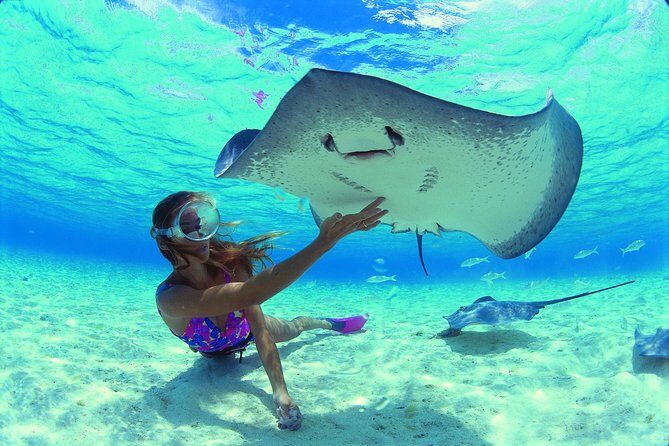
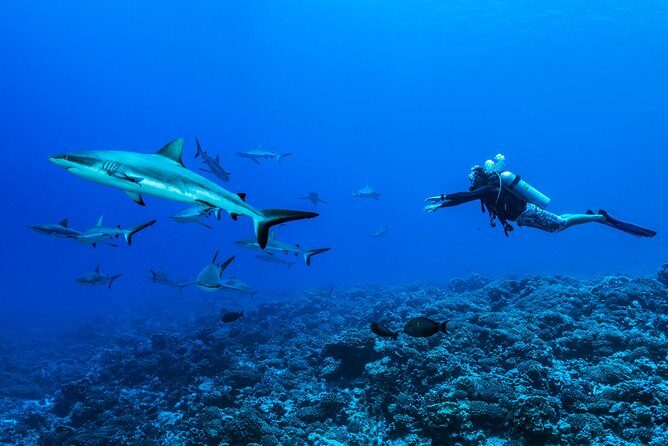
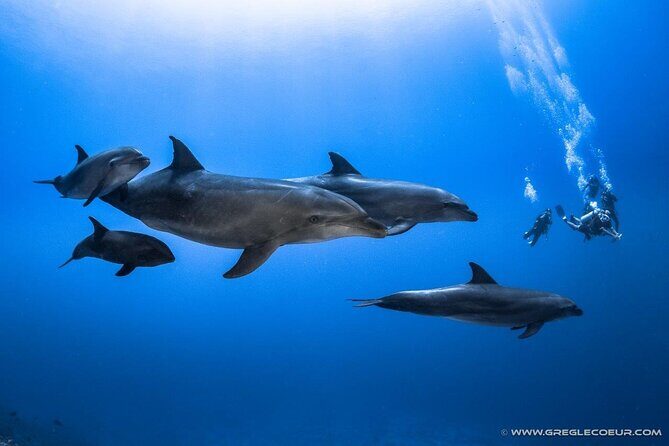
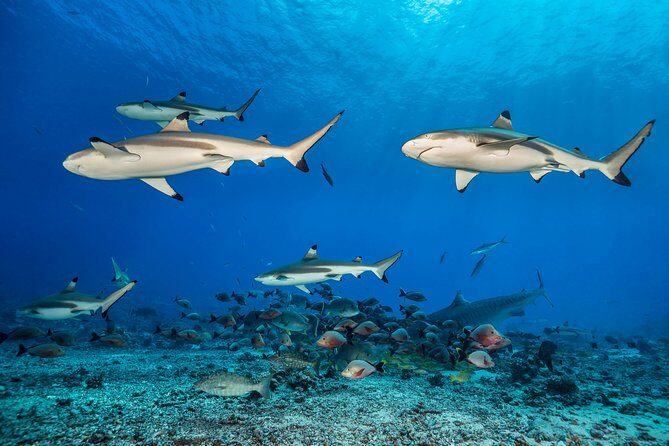
If you’re going for wildlife, Rangiroa is one of those places where it’s not just theory—it’s the real deal. The marine life highlights mentioned include dolphins, sharks, turtles, moray eels, barracudas, and lots of colorful reef fish. One of the strongest notes was that dolphins were playful and sharks were seen repeatedly, with colorful fish showing up around the reef and during drift conditions.
Here’s why the drift briefing is such a big deal for you:
- When you understand drift, you can relax your movements and stop fighting the water.
- You know how to hold position (or how to let the current do some work) while still watching for wildlife.
- Your brain has one less task. That means better focus on the animals and less stress about where you’ll end up.
Monica and Manu were singled out for explaining the drift conditions so well that divers felt prepared for what to expect. That preparation is what turns an outing from unpredictable to enjoyable. Even if you’ve dived in currents before, getting local guidance helps because each site behaves differently.
If you want to maximize your odds of seeing the animals listed above:
- Pay attention during the briefing, especially the drift explanation.
- Move calmly, because the guides are guiding your path as much as your positioning.
- Keep your eyes open for signals the guide is watching—often that’s where the good sightings cluster.
One more practical point: since you get two tank sessions, you have two chances to hit different parts of the day’s conditions. That doubles your opportunity to catch the marine life that might show up at a certain moment.
Price and logistics: where the money goes and what to check
Let’s break the $201.04 price into what you’re really paying for. In plain terms, you’re paying for a managed, guided day that includes two-tank coverage, equipment, and transport to the water sites, plus pickup is offered.
That’s a lot of value for a short trip window. You’re not paying extra for basic necessities like gear and getting from A to B. You’re also getting a guide-led day, which matters in a place with drift conditions.
What you should check before you book:
- Confirm you have the certification proof required for certified divers.
- Think about your travel schedule. If you’ll have flown within 48 hours, you may be advised against diving.
- Plan for your day beginning at 8:00 am, since that’s when the outing starts.
- If you’re pairing this with other activities, remember the total time is about 4 hours, so it can fit neatly into a longer vacation day.
Also, note that confirmation happens within 48 hours of booking, subject to availability. That’s normal, but it means you shouldn’t book this as a last-minute must-do with no flexibility.
If you’re on a cruise, there’s one more important caution: refunds aren’t issued if the experience is missed due to late or non-arrival of the cruise ship. If your ship schedule is tight, build in a little buffer mindset.
Should you book the Rangiroa two-tank outing with TOPDIVE?
I’d book it if you meet the certified requirement and you want a well-run, small-group day that focuses on real sightings. The strongest reasons to say yes are:
- Two tank sessions in a compact time window.
- Guides who explain drift conditions clearly, with Monica and Manu noted for that coaching.
- A track record of spotting the kind of wildlife you travel for—dolphins, sharks, turtles, and plenty of colorful fish.
I would hesitate only if:
- You’re not confident you meet the medical and timing guidance (health questionnaire, flying within 48 hours).
- You hate current or drifting and don’t want to do the work of listening and staying calm in the flow.
If you’re an experienced, certified diver looking for a smooth morning with strong guidance and high-quality wildlife odds in Rangiroa, this is the kind of outing that can make your day feel like it flew by—in the best way.
FAQ
Is this outing only for certified divers?
Yes. You’ll need evidence of dive certification to participate, and the health questionnaire must be completed before you go in the water.
How many tank sessions are included?
The program includes at least two tank sessions.
What time does the outing start and how long does it last?
It starts at 8:00 am and runs for about 4 hours.
What’s included in the price?
The experience includes a guide, dive equipment, and transport to and from the dive sites, plus at least two tank sessions. Pickup is offered.
Is pickup available?
Pickup is offered, depending on your meeting arrangements.
What group size should I expect?
This experience has a maximum of 8 travelers.
Do I need to fill out a health questionnaire?
Yes. All participants are required to complete a health questionnaire before diving.
What if I recently flew, or I have a medical condition?
Diving within 48 hours of flying is not recommended. Some conditions (including asthma or heart conditions) may prevent you from diving, so you may need to check with a doctor and be prepared for the operator’s medical review.
What if weather is poor or I need to cancel?
The experience requires good weather. If it’s canceled due to poor weather, you’ll be offered a different date or a full refund. You can cancel up to 24 hours in advance for a full refund.