REVIEW · BORA BORA
Half-Day Small-Group Cruise in Bora Bora with Snorkelling
Book on Viator →Operated by Lagoon Service · Bookable on Viator
Three snorkels in four hours sounds perfect.
This small-group Bora Bora lagoon cruise is built for maximum time in the water, with snorkeling gear and towels supplied and a guide driving the boat to the best spots instead of you wandering around blind. I also like the hand-fed stingray moment, because it’s more than just floating near animals—it’s guided, explained, and set up for real viewing time. The main thing to consider is weather: the boat is open-sided, so rain or wind can mean spray, and the trip can feel cooler once you’re moving fast between stops.
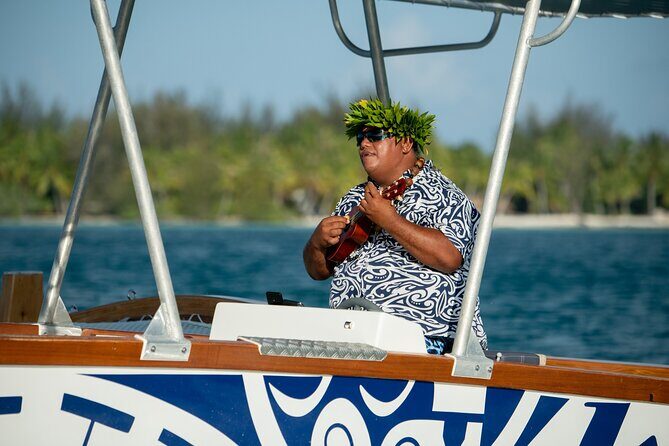
You’ll spend the morning on a mini lagoon “circle” while the views cycle around Mt Otemanu and the shifting blues of Bora Bora. With a max of 12 travelers, guides like Tau, Arii, Mike, Niko, Mana, Rau, and Ronny show up in past groups, and the common thread is attention—help before you enter the water, plus stories and music on the ride (you might even hear ukulele). Expect about four hours total, with pickup offered and a mobile ticket for check-in.
In This Review
- Key Highlights You’ll Care About
- Entering The Bora Bora Lagoon: Boat Views First, Snorkel Later
- The Real Itinerary: Three Stops Built Around Coral, Rays, and Reef Sharks
- Stop Type 1: Coral garden snorkeling (the fish-focused spot)
- Stop Type 2: Stingrays, hand-fed by your guide (the emotional highlight)
- Stop Type 3: Reef sharks and other marine surprises (the wow factor)
- Stingrays, Up Close: What Hand-Feeding Really Means for Your Experience
- Reef Sharks: How to Get the Best Viewing Without Panic
- One small caution
- The Coral Garden “Aquarium” Stop: Where Bora Bora’s Blue Really Shows
- Gear, Towels, and Comfort: What’s Included and What to Bring
- Snorkeling Safety That Feels Human, Not Robotic
- Snacks on the Water: The Small Treat That Helps the Whole Morning
- Price and Value: Is $142.50 a Smart Use of Time?
- Who Should Book This Half-Day Snorkeling Cruise
- Should You Book This Bora Bora Snorkeling Cruise?
- FAQ
- How long is the half-day Bora Bora cruise with snorkeling?
- How many people are on the tour?
- Is snorkeling gear and towels provided?
- Is pickup available?
- When does the tour run?
- What if the weather is bad or I need to cancel?
Key Highlights You’ll Care About
- Small group size (up to 12) for more help in the water and less waiting around
- Three snorkeling stops aimed at coral, fish, and ray/shark action
- Stingray feeding up close with your guide managing the interaction
- Coral garden aquarium spot known for lots of fish and easy snorkeling conditions
- Guide-driven safety and calm pacing so even newer snorkelers feel supported
Entering The Bora Bora Lagoon: Boat Views First, Snorkel Later
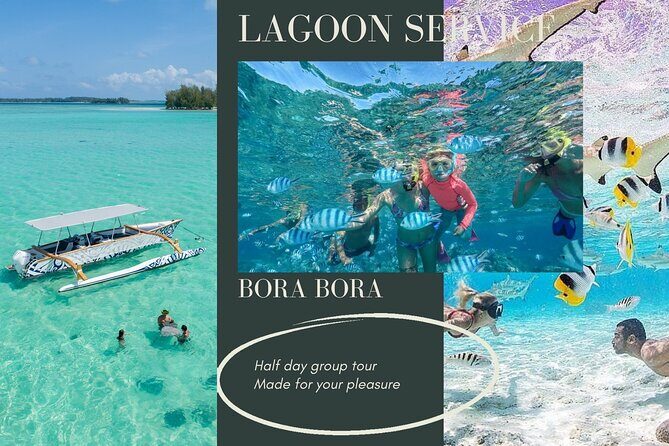
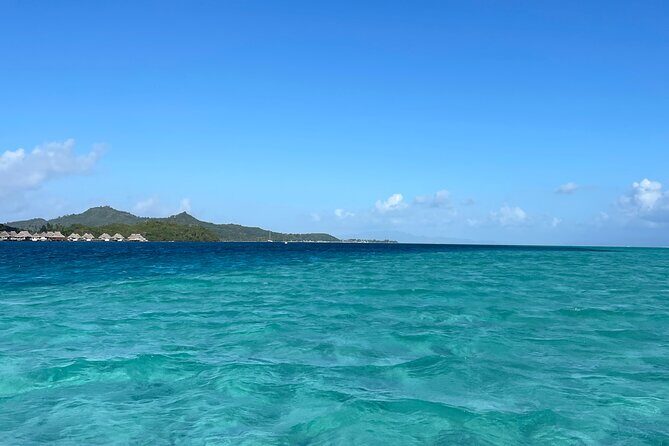
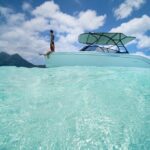
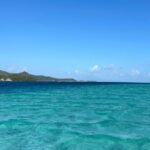
This is a half-day outing designed around how Bora Bora looks from the water. As you cruise, you get repeat angles on Mt Otemanu and those famous lagoon colors that seem to change every few minutes. If you’re the type who wants photos, you’ll have plenty of chances. And if you’re the type who hates feeling rushed, the pace here is usually calmer than DIY snorkeling—your guide handles navigation and tells you when to get in and where to look.
The tour runs in a tight window (Mon–Thu, 9:00 AM–12:30 PM). That matters because Bora Bora mornings can feel like a different place: quieter water, better light for viewing, and less crowding. Also, the half-day format is a practical choice. You still get the “wow” snorkeling without giving up your whole day, which is a big deal when you’re trying to fit beach time, a lagoon cruise, or dinner into the same trip.
You can also read our reviews of more boat tours in Bora Bora
The Real Itinerary: Three Stops Built Around Coral, Rays, and Reef Sharks
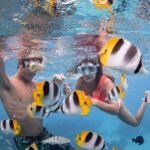
Most of what makes this tour feel worth it is the route itself: it’s not one snorkeling stop and done. It’s three planned snorkeling opportunities, typically arranged to give you variety—coral gardens and fish, a shallow area for stingrays, and a reef-shark stop.
Stop Type 1: Coral garden snorkeling (the fish-focused spot)
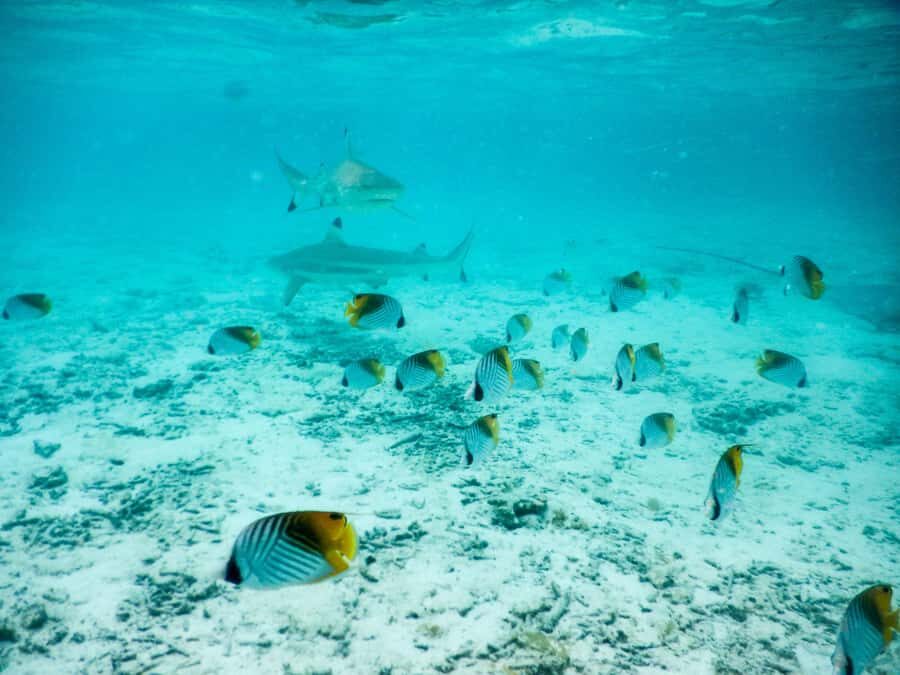
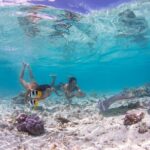
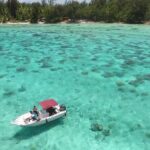
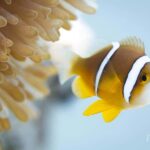
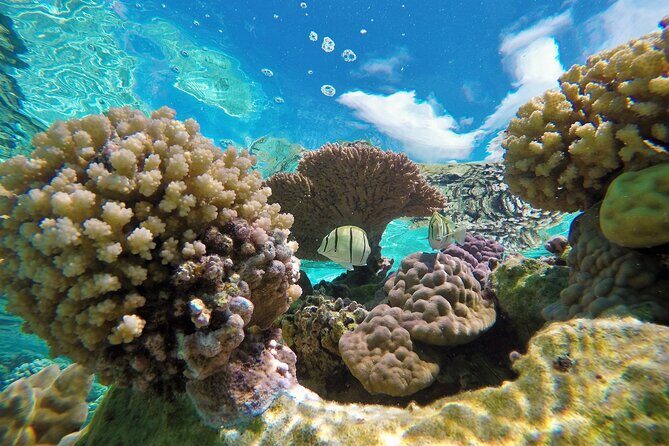
This is the “aquarium” style stop mentioned in the tour description. The idea is simple: warm, clear lagoon water plus coral gardens that pull in tropical fish. Many groups describe this as an easy snorkel where you can float, look, and swim at a relaxed pace without needing advanced skills. If you’re new to snorkeling, this kind of stop is often the most confidence-building.
Depth can vary by spot, and some locations can be shallow enough to stand. That means you’re not forced to swim continuously to “see things.” You can hover, breathe, and still feel like you’re part of the reef scene.
Stop Type 2: Stingrays, hand-fed by your guide (the emotional highlight)
One of the strongest reasons people recommend this tour is the stingray interaction. Your guide hand-feeds the stingrays, which keeps the animals coming into view instead of you just hoping they swim close enough.
If you’re imagining a chaotic animal encounter, don’t. The point here is controlled viewing with clear instructions. In multiple accounts, the guide talks you through how to move slowly and how to avoid accidental contact injuries—both for you and for the rays. Some groups even mention holding a stingray, but the tour experience is still about staying safe and calm.
Stop Type 3: Reef sharks and other marine surprises (the wow factor)
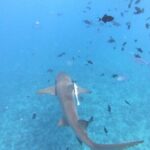
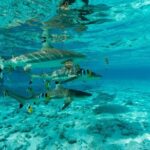
The third stop is shark-focused. Past snorkelers mention black tip reef sharks, and some describe seeing dozens of them in the area. That’s why guides often stress positioning and calm movement: it’s easier to get good viewing when everyone stays relaxed, buoyant, and aware.
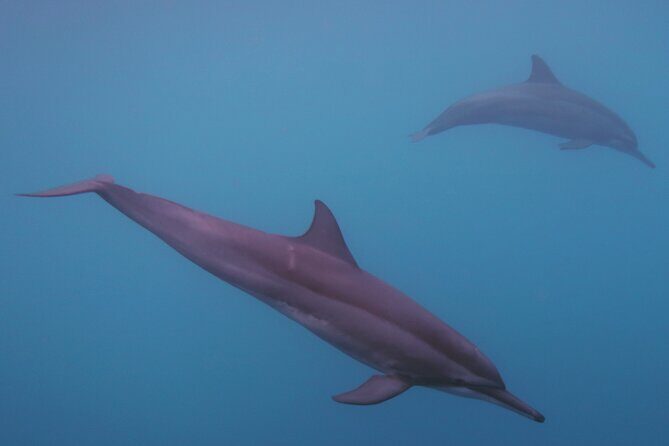
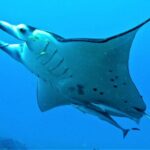
You might also spot other marine life depending on the day and conditions. Some groups report manta rays and even spinner dolphins on the way to a viewing area. The honest way to think about it: the tour gives you access and a plan, but the exact wildlife lineup follows the lagoon that morning.
You can also read our reviews of more snorkeling tours in Bora Bora

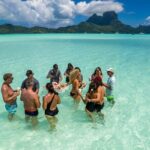
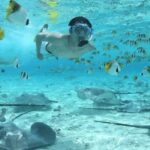
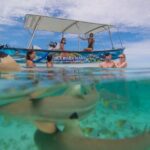
Stingrays, Up Close: What Hand-Feeding Really Means for Your Experience
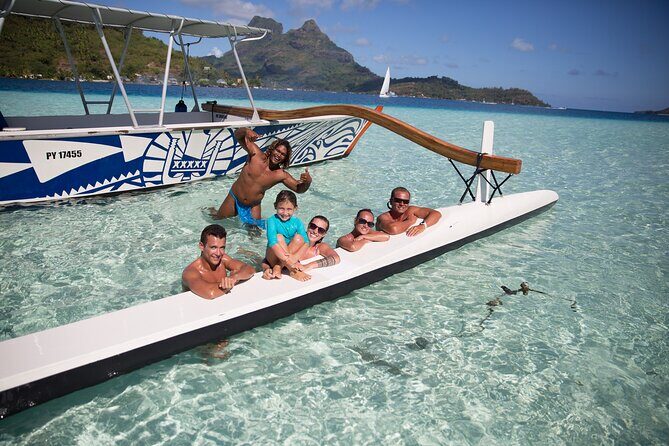
Hand-feeding stingrays sounds like a gimmick until you see the difference it makes. Your guide manages timing so you’re not waiting in the wrong spot. You also get context on what you’re looking at—how stingrays feed, how to move when they’re nearby, and what not to do.
Here’s the practical value: you spend more time actually watching the rays and less time flailing around for better angles. And because the interaction is guide-led, it tends to feel safer and more respectful than random feeding you might try on your own.
If you want the best experience, do two things:
- Listen before you jump in. The instructions are part of the tour, not extra.
- Keep your movements slow and small. Calm bodies make calm animals come closer.
Also, consider how you’ll feel if you’re nervous. Several accounts note that guides helped nervous snorkelers feel comfortable, especially families and first-timers. That’s a big reason this tour works well for mixed groups.
Reef Sharks: How to Get the Best Viewing Without Panic
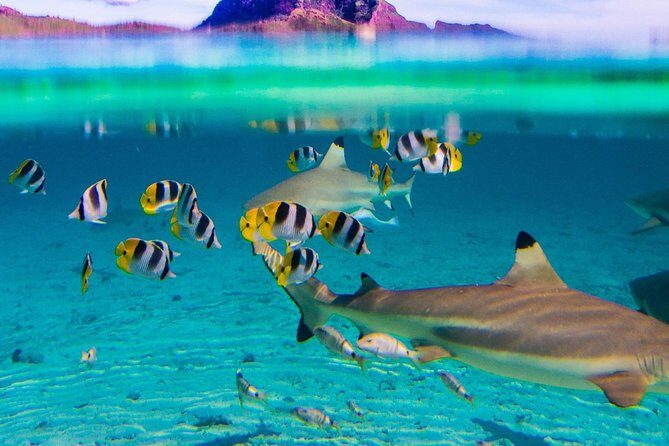
Seeing reef sharks isn’t just about luck—it’s about the guide choosing spots where sharks are present and where you can snorkel without turning it into chaos. In past experiences, people describe feeling safe because the guide is actively watching swimmers and giving clear cues before entering the water.
A useful way to prepare mentally: sharks are often there because the ecosystem is functioning, not because you’re doing anything special. Your job is to float, breathe, and observe. If you stay calm, you’ll get more meaningful time watching than if you constantly reposition or chase the animal.
One small caution
Wind and rain can change water conditions fast on Bora Bora. If the day turns rough, it can be harder to snorkel for long stretches. That’s not a “bad tour” issue—it’s weather. Just go in expecting the guide may shorten time or adjust the plan to keep everyone safe.
The Coral Garden “Aquarium” Stop: Where Bora Bora’s Blue Really Shows
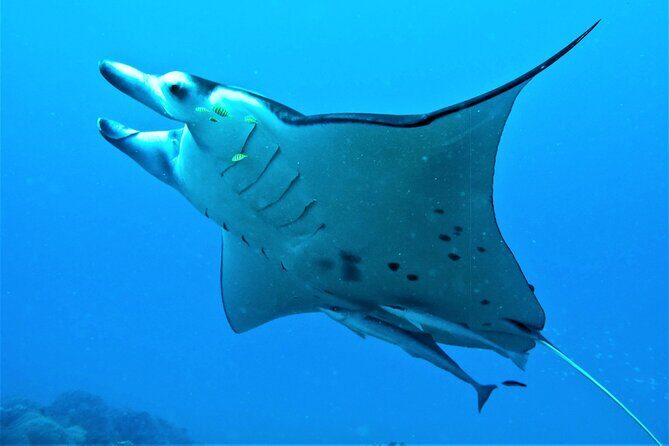
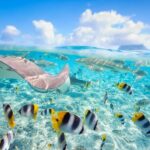
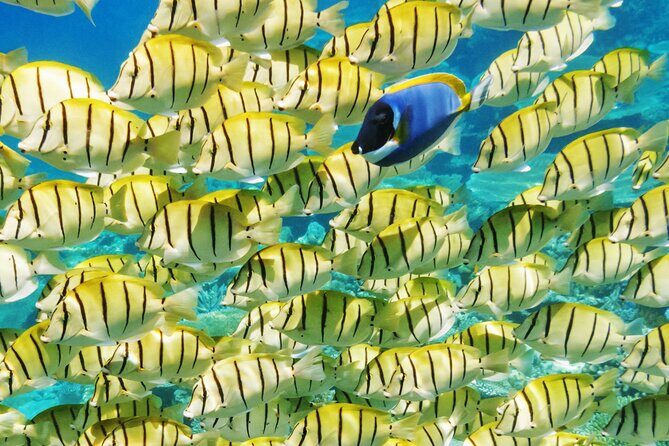
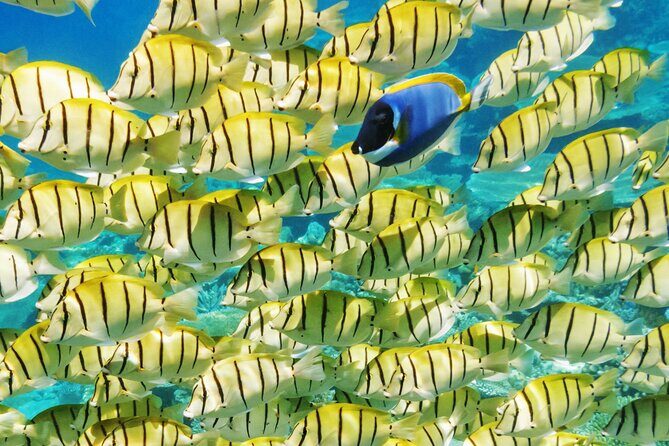
The coral garden stop is where Bora Bora underwater turns into pure color and movement. People describe fish numbers as extremely high—sometimes like swarming schools—around coral structures. The feeling is more like floating in a living aquarium than “seeing a few fish.”
This stop also tends to work for different comfort levels. If you can swim, you can move along the reef and find new angles. If you can’t or you’re more cautious, you may still manage fine as long as you follow the guide’s instructions and stay within the safe area the boat team sets up.
One practical tip: bring (or borrow) an underwater camera if you can. Even when the water is bright, snorkeling has a way of producing quick, unrepeatable moments. A small camera reminder is helpful because you’ll want more than just a phone panorama.
Gear, Towels, and Comfort: What’s Included and What to Bring
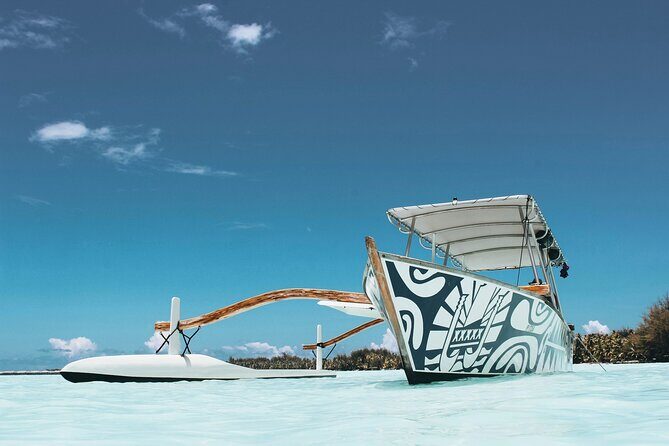
The tour provides snorkeling gear and towels, and you’ll also have life jacket support available depending on what the crew provides on board. In other words, you don’t have to solve the biggest logistics problem before you arrive.
Still, I recommend you bring a couple of small upgrades for comfort:
- Water socks if you tend to prefer stable footing in shallow areas (some snorkeling spots can allow standing/wading).
- Sunscreen you trust for ocean conditions. The lagoon water is clear enough that you’ll still burn even if you feel cool at first.
- If you’re photographing: an underwater camera or a waterproof phone case.
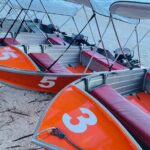
And here’s the reality check: the boat can be open-sided. That means if it’s rainy or windy, you may get wet even if you’re careful. Towels help, but they don’t stop the spray. If you’re sensitive to cold, pack a light layer you can wear between swims.
Snorkeling Safety That Feels Human, Not Robotic
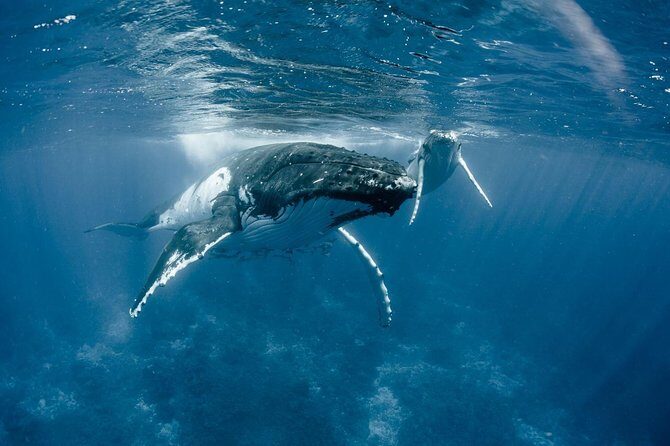
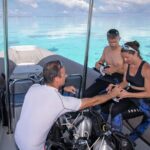
What makes this experience work for many people is the guide presence. The guide isn’t just pointing and leaving you on your own. Guides are there to manage the group in the water, explain what you’re seeing, and keep you from turning the experience into accidental contact.
A detail worth paying attention to: in some accounts, the guide actually gets into the water with guests, which makes the whole thing feel less like a hand-off and more like a supported outing. That’s especially helpful for first-time snorkelers who don’t yet know how their breathing and buoyancy will feel.
If you’re with kids or multiple ages, this is a strong option. A few accounts highlight multigenerational groups and nervous snorkelers being guided patiently. For families, that difference matters more than fancy marketing.
Snacks on the Water: The Small Treat That Helps the Whole Morning
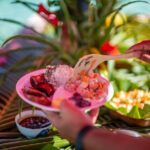
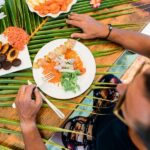
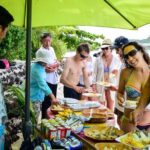
This isn’t a “just water and back” kind of tour. After snorkeling, you’ll have time on board with refreshments. Many groups mention fruit and coconut bread—often coconut banana bread—plus the kind of relaxed boat-time that lets you process what you just saw.
One extra fun detail from the ride: guides may explain how to open a coconut or make playful water rings for photos. Even if you’re not doing photos, these little moments make the boat time feel like part of the tour instead of dead travel time.
Price and Value: Is $142.50 a Smart Use of Time?
At $142.50 per person for about four hours, you’re paying for three things you can’t easily DIY:
1) A guide who manages wildlife viewing and safety
2) Boat time to reach specific snorkeling sites (not just a random shoreline)
3) Provided gear and towels, plus snacks afterward
The cost feels more reasonable when you remember what you’d otherwise spend. If you rent gear in Bora Bora, book a private boat, and then still struggle to find the best snorkeling spots, the half-day group cruise often looks like a bargain. One traveler even described the guided half-day as better than a previous private snorkeling hire, which tells you something about how good the guide selection and spot timing can be.
The biggest factor in value isn’t the price tag—it’s whether the day’s weather and sea conditions let you enjoy all three stops comfortably.
Who Should Book This Half-Day Snorkeling Cruise
This is a great fit if:
- You want a compact Bora Bora experience that includes stingrays and reef-shark viewing
- You’re traveling as a family or mixed-age group and want patient guidance
- You’re a first-time snorkeler who benefits from instructions and a guide in the water
- You care more about quality snorkeling time than long stretches of sitting on a bus
You might choose something else if:
- You hate open-boat spray and cold mornings, even with towels and a light layer
- You’re expecting a guaranteed manta ray or a specific animal count. The tour is wildlife-dependent.
Should You Book This Bora Bora Snorkeling Cruise?
Yes—if you want the best parts of Bora Bora’s lagoon under a tight schedule, this is the kind of tour that makes time feel valuable. The combination of three guided snorkeling stops, stingray feeding, and a reef-shark encounter is exactly what you came for. Add small-group attention (max 12), provided gear, and on-board snacks, and it becomes a strong value play.
My quick decision rule: if you can tolerate wind/rain spray and you’re excited to follow a guide into the lagoon, book it. If you’re fragile in rough weather or you need perfectly calm water, check forecasts closely and be ready for the tour to shift with conditions.
FAQ
How long is the half-day Bora Bora cruise with snorkeling?
It lasts about 4 hours.
How many people are on the tour?
The tour has a maximum of 12 travelers.
Is snorkeling gear and towels provided?
Yes. Snorkeling gear and towels are provided.
Is pickup available?
Pickup is offered.
When does the tour run?
It runs Monday through Thursday, 9:00 AM to 12:30 PM.
What if the weather is bad or I need to cancel?
The experience requires good weather. If it’s canceled due to poor weather, you’ll be offered a different date or a full refund. You can cancel for a full refund up to 24 hours in advance.