REVIEW · LEEWARD ISLANDS
Bora Bora: Morning 2 tank dive for certified divers
Book on GetYourGuide →Operated by Bora Diving Center · Bookable on GetYourGuide
Small-group scuba mornings make Bora Bora feel personal. I like the tiny 1-to-5 crew approach, where you get real help with buoyancy from your instructor. And I love the wildlife odds: the lagoon portion can put manta rays within reach.
The catch is that this outing is for certified divers only, and you should plan around a no-fly day.
For about $227 per person, you get hotel pickup and drop-off, well maintained scuba gear, and two tank sessions over roughly a 4-hour morning plan, with hot tea and cookies between the two underwater stops.
In This Review
- Key things you’ll notice right away
- The best part: a small, efficient morning plan
- Getting there from your hotel: pickup plus a fast boat run
- Tank one in the lagoon: where rays often show up
- Between tanks: the real break is the reset
- Tank two outside the reef: black tip and lemon shark chances
- Small group structure: why the guide attention feels better
- Price and value: what $227 really buys you
- Where these site names can take you
- Who this is best for (and who should skip it)
- Practical stuff to bring (and the one schedule rule)
- Should you book this morning 2-tank scuba outing?
- FAQ
- How many tank sessions are included?
- What is the duration of the tour?
- What does the price include?
- Do I need scuba certification?
- How big is the group?
- What wildlife are you hoping to see?
- What should I bring?
- Is a towel provided?
- Is it okay to fly the same day?
- Can I cancel for a refund or pay later?
Key things you’ll notice right away
- Max 5 certified divers per instructor means less crowding and more personal coaching
- Lagoon wildlife chances for spotted eagle rays or manta rays
- Ocean reef second tank with a shot at black tip and lemon sharks
- Hot tea, cookies, and fresh water between tanks to reset before you go back down
- Common Bora Bora site names vary by day (Anau, Tapu Canyon, Tapu Nui, Toopua, Grand Canyon are possible)
The best part: a small, efficient morning plan
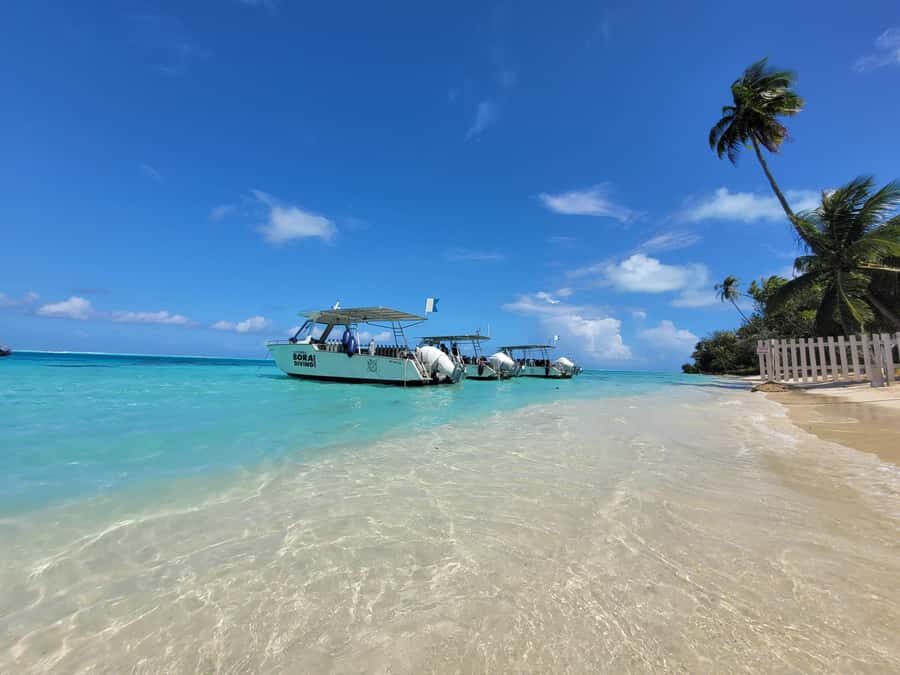
Bora Bora can be expensive. So what I really look for on an outing like this is simple: do you get strong guiding, good gear, and enough real underwater time to justify the price? This format does that. It’s built as a morning run with a quick briefing, then two tank sessions led by a professional instructor.
What makes it feel better than the big-boat style tours is the group setup. You’re not dealing with a giant pack. You’ll be in a small group where the team keeps the ratio tight, and that matters when conditions change or when you want help with comfort underwater.
I also like the rhythm. You’re not rushed nonstop. You go in, come up, refuel, and go back down. The hot tea and cookies between tanks aren’t just a nice touch; they help you reset before the second underwater stop.
You can also read our reviews of more tours and experiences in Leeward Islands.
Getting there from your hotel: pickup plus a fast boat run
The start is straightforward. You’re picked up from your accommodation by boat or by car (depends on where you’re staying). Your exact pickup time gets confirmed by the dive team, and you should be ready about 5 minutes early.
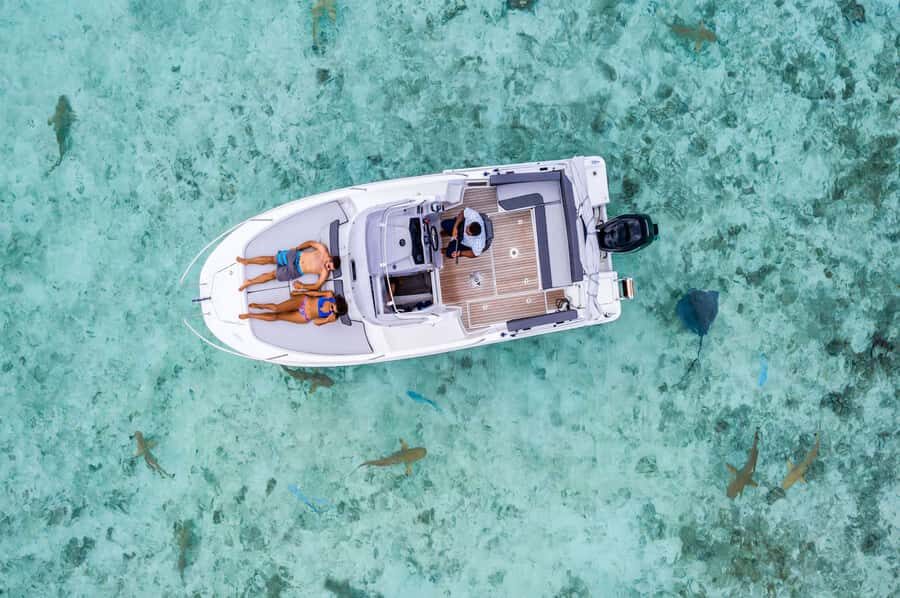
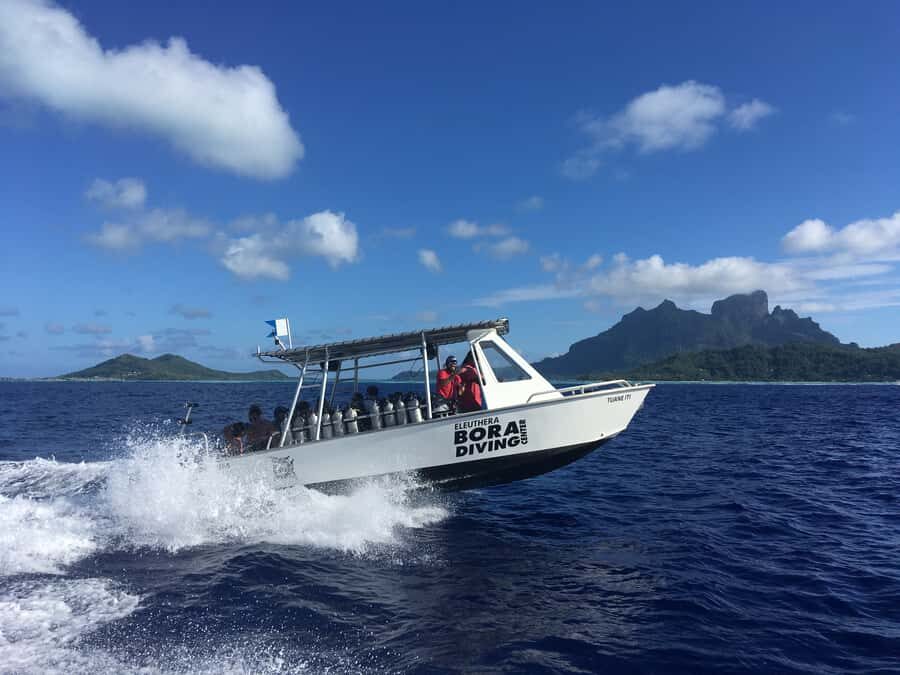
Then comes the fun part: a fast boat ride to the day’s scuba area, listed at about 30 minutes. That short transfer is a big deal in Bora Bora. It helps you use your morning for water time instead of sitting on a slow boat all day.
One practical note: the tour doesn’t like luggage or large bags. Keep it light. If you’re bringing a camera rig or extra gear, plan around what fits in your personal space comfortably. Also, bring your towel even though it’s not included.
Tank one in the lagoon: where rays often show up
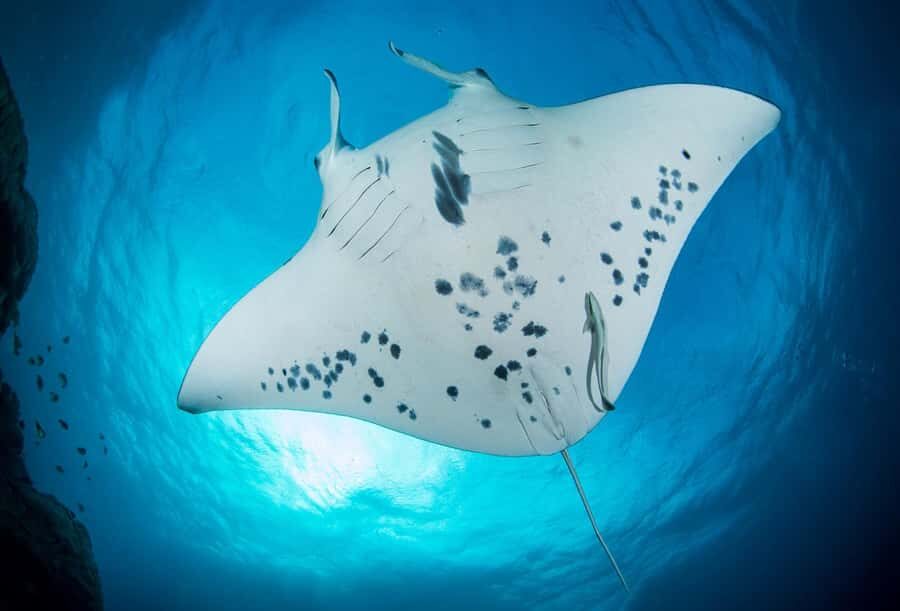
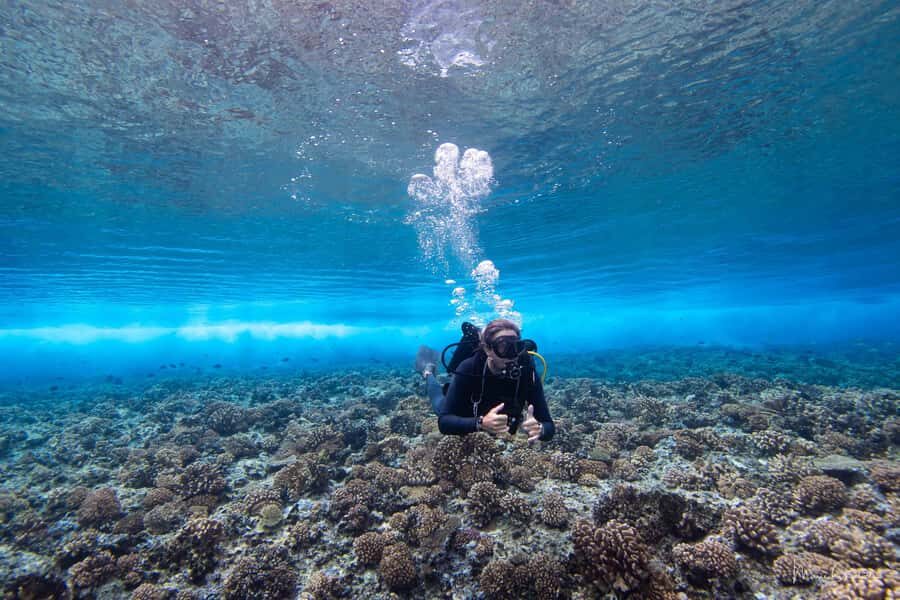
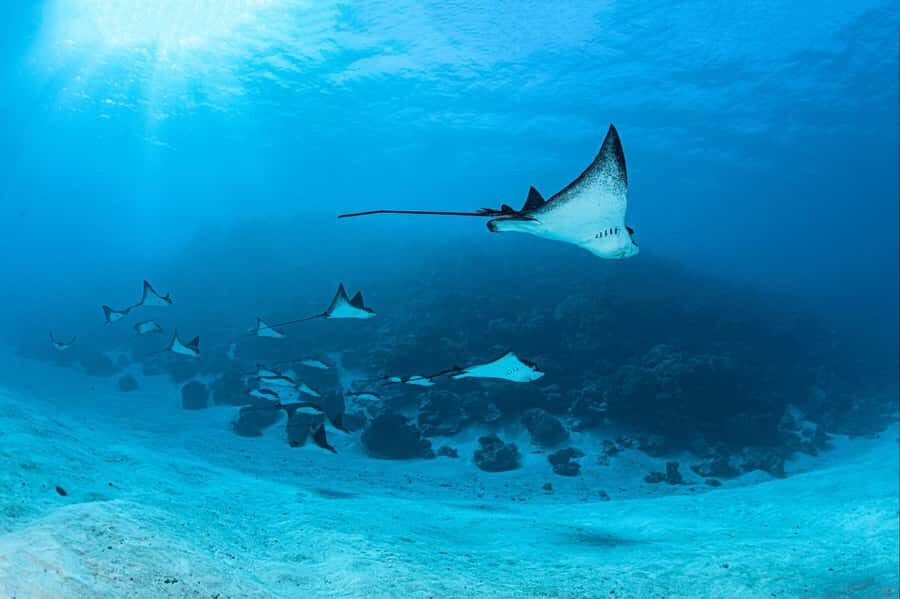
Your first underwater stop happens in the lagoon. This is the calmer, more protected side of Bora Bora’s waters, and it’s where you get the best chance at dramatic, slow-moving visitors. The outing is specifically timed for the lagoon possibility of spotted eagle rays or manta rays.
I love lagoon scuba for two reasons. First, the scenery helps you feel oriented fast. Second, the water often gives you a bit more breathing room for technique, especially if you’re working through buoyancy or just settling into the experience. Even with strong current, lagoon-style conditions are usually easier to manage than open-water drops.
You’ll get a briefing before gear goes on, and then you use well maintained scuba equipment. The goal here is simple: get you comfortable and set up so you can focus on what you came for—good sightings and smooth control underwater.
Common Bora Bora scuba site names can include places like Anau, Tapu Canyon, Tapu Nui, Toopua, or Grand Canyon, but the exact location can change based on conditions.
Between tanks: the real break is the reset
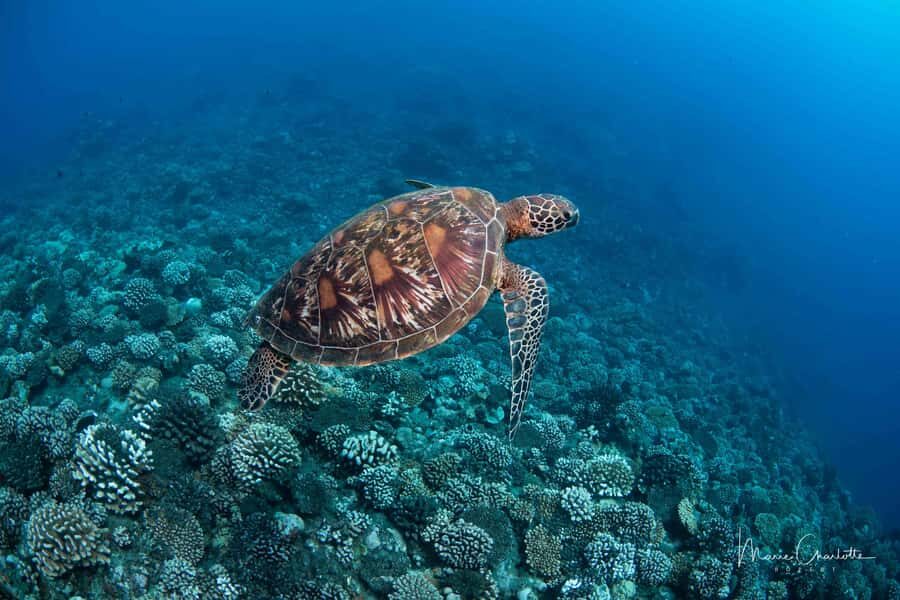
After the first tank, you come up and get a breather. This isn’t a rushed scramble. You get drinks and snacks, plus fresh water, and you’ll have hot tea and cookies between the two underwater sessions.
This part might sound minor until you’ve done a couple of tank outings back-to-back. The second tank tends to be where your attention and energy matter most—so having time to cool down, hydrate, and eat something small makes a noticeable difference.
You also get a chance to mentally reframe. Tank one is often about finding your rhythm. Tank two is where you can slow down and look longer. That tea-and-cookies break is basically your small onboard “you’re good to go again” moment.
Tank two outside the reef: black tip and lemon shark chances
The second tank takes you to an ocean reef setting. This is where the tour shifts from lagoon calm to open-water energy. It’s also where the wildlife goal changes.
Here, the plan is to look for black tip sharks and lemon sharks. Seeing sharks isn’t guaranteed, but the overall setup is clearly aimed at increasing your odds by going outside the reef during the morning window. If you’re hoping for a more open-water feel—more movement in the water, more chance of activity—this second stop is the one that typically delivers that contrast.
A quick reality check: shark viewing depends on conditions and water visibility. The operator is honest that sites may vary, which usually means they’re adjusting to what’s happening that day. You’ll get the guidance to handle the environment you’re given, but keep expectations flexible. You’re paying for the best attempt, not a promise.

Small group structure: why the guide attention feels better
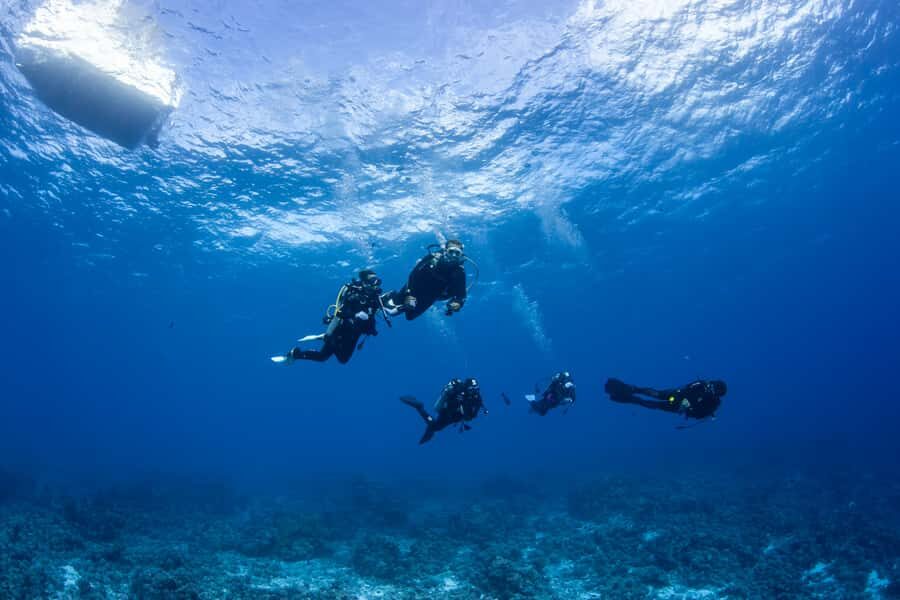
This outing is designed for certified divers and runs with a strict cap on numbers. The group type is small—limited up to 10 participants overall. But the key detail is the underwater ratio: the tour highlights a maximum of 5 certified divers with 1 instructor.
That difference matters. With fewer divers per guide, you’re more likely to get targeted help—things like buoyancy tweaks, route guidance, and safety check-ins that feel personal rather than procedural. It can also make it easier to stick together as a group, which is important when you’re trying to spot fast-moving animals or follow the dive plan without getting separated.
In the feedback, people consistently praised the instruction quality and the overall service level. One diver from Denmark specifically called out the instructor, the service, and the dive locations as a strong combination. Another diver from Spain highlighted manta rays, and more than one reviewer pointed to organized equipment setup and an on-time pickup.
Even if you’re an experienced diver, this kind of tight coaching can help you have a smoother, more relaxed outing.
Price and value: what $227 really buys you
$227 per person for a 4-hour morning outing can feel steep at first glance. But look at what’s included:
- Hotel pickup and drop-off
- Scuba gear
- Two guided tank sessions with a professional instructor
- Fresh water plus hot tea and cookies between tanks
In Bora Bora, transportation and guided time are where costs stack up quickly. What you’re paying for here isn’t just the underwater time—it’s the logistics done for you, the gear, and the small-team guiding.
The value improves if you fit the target profile: a certified diver who wants two separate underwater experiences (lagoon wildlife chances plus an ocean reef stop). If that’s you, you’re buying variety with expert oversight in a short, efficient package.
If you’re not yet certified or you’re unsure about how you’ll handle buoyancy, current, or open-water conditions, this might not be the smartest first step. There are tours aimed at training stages, and you’d be better served by learning setup and control on calmer sessions.
Where these site names can take you
The tour notes that the most common scuba sites include Anau, Tapu Canyon, Tapu Nui, Toopua, and Grand Canyon. The important part is not memorizing them—it’s understanding why they’re mentioned at all.
Those names are the “menu” of possible locations, and the operator can swap based on what works best that morning. That means you’ll usually get a reasonable shot at classic Bora Bora conditions rather than being locked into one plan no matter what the water is doing.
If you’re the kind of diver who likes variety, that flexibility is a plus. You’re not expecting the exact same route every day. You’re expecting a good match to the lagoon and the outside reef conditions.
Who this is best for (and who should skip it)
This experience is for certified divers—Open Water certification or at least one certification. It’s not suitable for children under 12, pregnant women, and people with heart problems or respiratory issues.
If you’re a fit, certified diver who wants a morning plan, this outing can be a great use of time. You get:
- a guided lagoon tank with ray possibilities
- a break with drinks and food
- a second tank outside the reef for shark chances
It’s also a smart choice if you’re traveling with limited time and want two different underwater environments without spending your day on boats.
If you’re someone who gets stressed underwater, you’ll likely appreciate the small group format and instructor attention. But if you’re not comfortable yet with basic scuba control, pick a training-friendly option instead of forcing it.
Practical stuff to bring (and the one schedule rule)
Bring:
- your swimwear
- your scuba certification card
- a towel
Scuba gear is provided, so you don’t need to pack that. Keep luggage minimal; large bags aren’t allowed.
Schedule wise, there’s an important rule: it is not safe to fly the day of your tank sessions. Plan your trip so you’re not booked on an afternoon or evening flight after going underwater.
Also, the instruction team works in French and English, which helps if you want clear communication during the briefing and while you’re suited up.
Should you book this morning 2-tank scuba outing?
Book it if you want a short, well organized Bora Bora morning with a small group, guided support, and a real chance at seeing big, famous marine life—manta rays or spotted eagle rays in the lagoon, and black tip or lemon sharks outside the reef. The tight instructor-to-diver setup is the deciding factor for me.
Skip it if you don’t match the certification requirement, you’re traveling with someone who falls under the health or age limits, or you’re trying to squeeze in flight plans the same day. And if you hate early starts or you’re uncomfortable with speedboat transfers, this type of streamlined 4-hour outing may feel too “efficient” for your style.
FAQ
How many tank sessions are included?
Two tank sessions are included in the morning outing.
What is the duration of the tour?
The total duration is about 4 hours.
What does the price include?
It includes hotel pickup and drop-off, scuba equipment, guided tank sessions with a professional instructor, plus fresh water and hot tea and cookies between the two sessions.
Do I need scuba certification?
Yes. This experience is for certified divers (Open Water certification or at least one certification).
How big is the group?
It’s a small-group experience, limited to a maximum of 10 participants overall, with a maximum of 5 certified divers per instructor.
What wildlife are you hoping to see?
In the lagoon, you may see spotted eagle rays or manta rays. Outside the reef, you may spot black tip sharks and lemon sharks.
What should I bring?
Bring swimwear, your scuba certification, and a towel.
Is a towel provided?
No, a towel is not included.
Is it okay to fly the same day?
No. It is not safe to fly the day of your tank sessions.
Can I cancel for a refund or pay later?
You can cancel up to 24 hours in advance for a full refund. You can also reserve now and pay later (pay nothing today).