REVIEW · MOOREA
Polynesian culinary experience
Book on Viator →Operated by Food&CookLab Tahiti-Moorea · Bookable on Viator
Cooking in pineapple country feels like a secret.
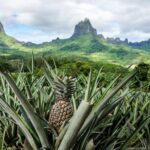
This 3.5-hour Polynesian culinary experience takes place in the Paopao Valley right beside pineapple fields, in real workshop spaces made for hands-on cooking. I like the way it uses local food to explain Polynesian life today, not just dish names, and I also like that the hosts, Stevenson and Audrey, teach you while you’re actively making food. One heads-up: since there’s no air-conditioned vehicle listed, plan for warm outdoor time and bring sun protection.
You start in professional training spaces next to a production lab, then spend the morning learning about the plants and local products growing around the gardens. You’ll also learn how traditional foods are prepared, how to cook some of them at home, and what makes Polynesian cuisine different across native, seasonal, and imported ingredients.
At the end, you sit down for the lunch you helped prepare, plus you get coffee and/or tea, snacks, and all fees and taxes. Alcohol isn’t included, so if that matters to your vibe, plan around it.
In This Review
- Key highlights worth circling on your Moorea map
- Paopao Valley Morning: arriving at a working food lab, not a staged show
- Meet Stevenson and Audrey: culture lessons that happen while your hands are busy
- What you cook: poisson cru, banana-leaf bread, coconut chips, and grilled tuna
- Poisson cru: carving and building the classic
- Banana-leaf cooking: wrapping bread and desserts
- Coconut chips and local bread flavors
- Grilled tuna and local sauces
- Breadfruit and pumpkin-style desserts
- Farm-to-plate gardens: how local products shape taste
- Lunch with the crew: why sharing the meal is half the point
- Price and value at $99: what you really get for the money
- Practical tips before you go (so the day stays fun)
- Should you book Food&CookLab Tahiti-Moorea?
- FAQ
- How long is the Polynesian culinary experience in Moorea?
- What time does the experience start?
- What’s included in the price?
- Is alcohol included?
- Where do we meet for the tour?
- Is this a private activity?
Key highlights worth circling on your Moorea map
- Paopao Valley setting: pineapple fields, gardens, and a working culinary space that feels grounded in real agriculture.
- Stevenson and Audrey as teachers: clear, interactive coaching instead of passive watching.
- Cook-and-eat structure: you prepare first, then share the meal together.
- Polynesian classics: expect hands-on work with dishes like poisson cru and banana-leaf cooking.
- You leave with recipes: enough detail to recreate the flavors at home.
Paopao Valley Morning: arriving at a working food lab, not a staged show
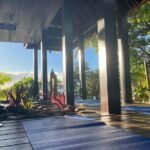
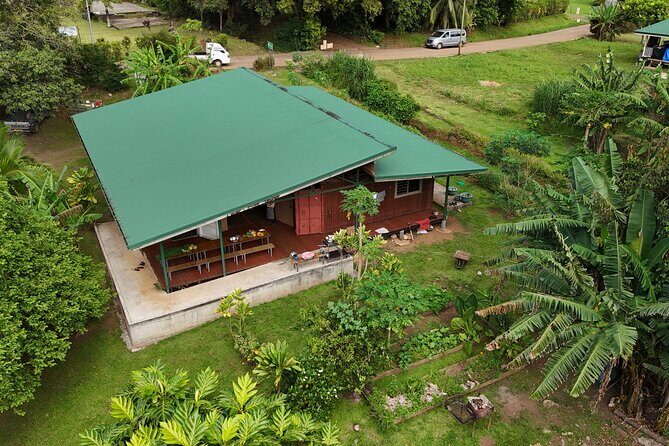
The first thing you notice is the location. This experience happens in Moorea’s Paopao Valley, right among pineapple fields, with gardens all around. Instead of a tourist kitchen with plastic decor, you’re using professional spaces designed for culinary workshops and training. That matters because the day feels practical. The hosts aren’t just performing; they’re teaching food technique and local ingredient choices.
You also get the sense that you’re close to a working food system: the setup includes spaces for workshops and a production laboratory nearby. In plain terms, you’re learning in an environment built for making food repeatedly and consistently—which is what helps you actually understand how the dishes come together.
Pro tip: arrive with a good breakfast in your stomach, but don’t overdo it. You’ll be moving, cooking, and tasting across the morning, and the lunch part is the payoff.
You can also read our reviews of more tours and experiences in Moorea.
Meet Stevenson and Audrey: culture lessons that happen while your hands are busy
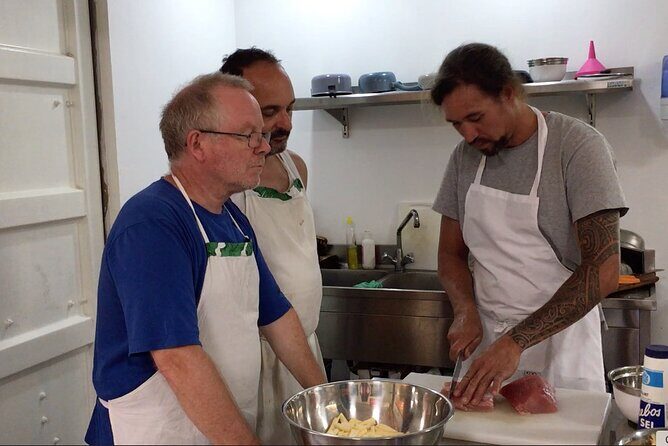
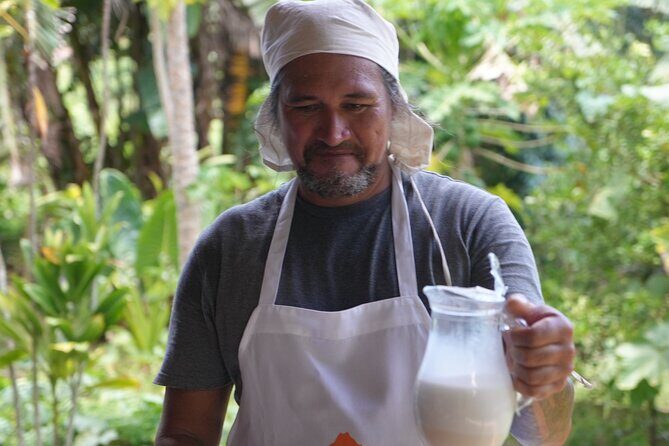
Stevenson and Audrey are at the center of the experience, and the format is designed to keep you involved. People call it hands-on, but what I like is how they break learning into tasks—so you’re not stuck waiting for someone else to do everything. Different people are given different roles during prep, which keeps the pace friendly and prevents that awkward stand-around feeling.
They also teach more than recipes. The day touches on Polynesian culture—history, life today, and how Polynesian society is changing—using food as the thread. That approach sticks because it’s not abstract. When you learn why ingredients are used a certain way, or how traditional cooking methods shape flavor, it connects to culture without turning into a lecture.
From the experience, you also learn practical ways to think about ingredients:
- what grows locally in the valley and gardens
- how foods are cooked traditionally
- how those methods can translate to your home kitchen
And if you’re traveling with dietary needs, there’s a real chance for accommodation. One review specifically mentioned vegetarian adjustments, which is a big deal when you’re signing up for a culinary class that usually assumes meat and fish.
What you cook: poisson cru, banana-leaf bread, coconut chips, and grilled tuna
The strongest part of the day is that you don’t just sample Polynesian food—you help make it. The menu can vary, but based on what’s been prepared in past classes, here are the kinds of dishes and skills you should expect.
Poisson cru: carving and building the classic
Poisson cru is often a centerpiece, and you may even learn hands-on preparation steps like carving tuna. That’s not just culinary trivia. Technique changes texture and flavor, and being shown the method makes it easier to recreate at home.
Banana-leaf cooking: wrapping bread and desserts
A big Polynesian cooking theme you’ll likely experience is wrapping food in leaves. In past classes, people have made items like bread wrapped in banana leaves. There’s also mention of a dessert that uses banana leaves in its presentation. If you like food that’s both functional and beautiful, you’ll enjoy this part.
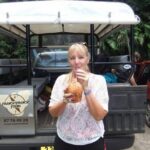

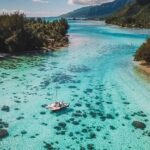
Coconut chips and local bread flavors
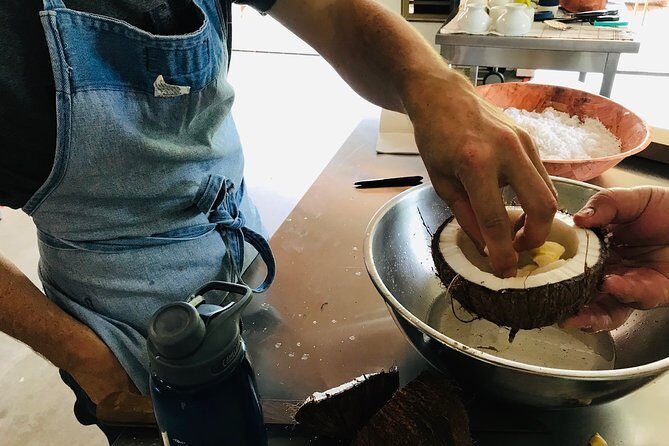
Coconut chips show up as part of the learning and tasting, which is helpful because it gives you a local flavor profile you might not know how to make elsewhere. Coconut bread (including versions baked or prepared in leaves) also gets attention, and it’s a nice shift from the seafood-heavy assumptions people sometimes bring to Polynesian food.
Grilled tuna and local sauces
Many classes include grilled tuna, cooked with local sauces. You might see more than one sauce, which is a smart teaching move: it shows that the fish is only part of the story. The sauce teaches you how Polynesians build layers—sweet, salty, tangy, and aromatic—without needing fancy equipment.
Breadfruit and pumpkin-style desserts
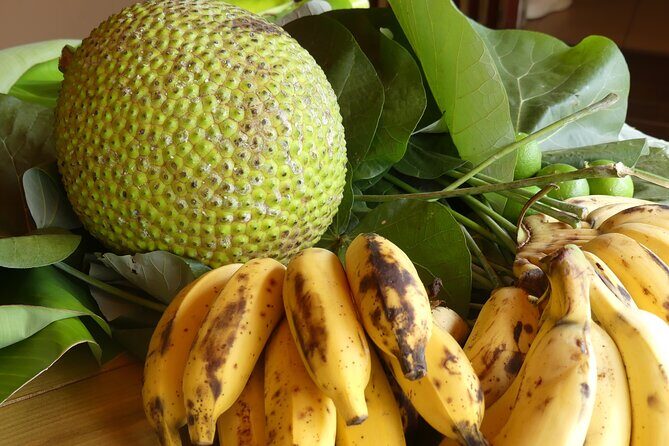
Other dishes mentioned include roasted breadfruit and something like a pumpkin tapioca-style dessert. These add variety and help you understand how Polynesians cook with what’s available.
What does this mean for you?
If you’re a food person, you’ll probably have that rare feeling of leaving a class with actual skills, not just memories. And if you’re not a food person, you’ll still enjoy it because the structure keeps it fun and social.
Farm-to-plate gardens: how local products shape taste
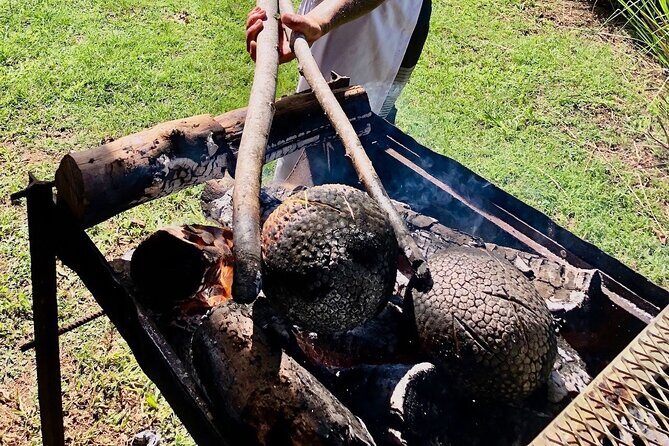
One of the best “extras” here is the garden component. You don’t just hear about agriculture—you get a glimpse of the plants themselves. Reviews mention learning to identify different plants in the garden, which turns the setting into a classroom.
You also learn how to think about ingredients beyond the supermarket rule of thumb. The hosts discuss what’s native and seasonal, and what’s imported. That’s useful because it gives you a framework. Instead of memorizing a list of dishes, you learn why certain flavors show up on the table and how availability influences cooking.
And because the valley has pineapple fields and growing gardens, you get a sense of the island’s food rhythms. You’re not being shown a random menu. You’re seeing the resources of the valley and learning how those resources become meals.
If you care about sustainability and local farming, this part will feel especially meaningful. A review referenced the courage of people doing bio-related work, which suggests the hosts take agriculture seriously, not as a marketing detail.
Lunch with the crew: why sharing the meal is half the point
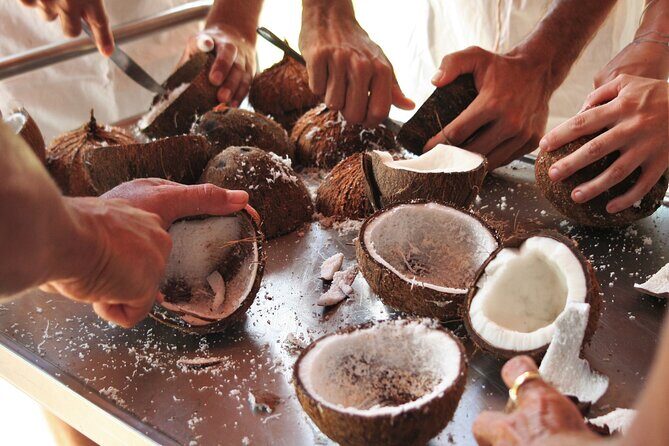
After you do the work, you all sit down together to eat. That’s not filler. It’s where the lessons land. When the food hits the table, you can connect what you did earlier—wrapping, seasoning, grilling, mixing—to how it tastes.
You’ll likely find that conversation stays lively. Multiple reviews mention lingering with the hosts and chatting while enjoying the meal. That’s part of the value here: you’re not just being fed; you’re sharing a table in a family-style mood.
Food quality also comes through strongly in feedback. People describe the lunch as the best meal they had on Moorea, and they point to freshness and local ingredients. You also may leave with leftovers to enjoy later, which is a practical bonus if your schedule is tight after the class.
And yes, you get recipes to take home. That turns the experience into something that continues after you’re back on your flight.
Price and value at $99: what you really get for the money
$99 per person sounds simple, but the value depends on what’s included. Here’s what matters for your wallet and your time:
- Lunch is included (not a small tasting plate).
- Coffee and/or tea are included.
- Snacks are included.
- All fees and taxes are included.
- The experience runs about 3 hours 30 minutes, starting at 9:00 am.
So you’re paying for a full, guided meal plus hands-on instruction plus the setting and ingredients. In practice, that’s often cheaper than piecing together a paid tour, a guided food activity, and a separate meal, especially when recipes are part of the deal.
Also, the class is private in the sense that your group participates together (not mixed with strangers). For couples and small groups, that makes the experience feel more personal and easier to participate in without feeling rushed.
The one thing to be aware of is what’s not included: alcohol. If your plan is to add wine or beer with lunch, you’ll need to handle that separately.
Practical tips before you go (so the day stays fun)
This is a morning experience in Moorea, so the main “logistics” issue is comfort.
- Plan for warm conditions. The listing notes that an air-conditioned vehicle isn’t included, so you should expect some outdoor heat while you’re on site.
- Bring sun protection. You’ll be in a valley setting with gardens and pineapple fields, and mornings in the tropics can still hit hard.
- Wear shoes you don’t mind getting a little dirty. Garden settings and hands-on cooking often mean you’ll be moving around.
- If you drink alcohol, plan ahead. Alcoholic beverages aren’t included.
- Double-check your meeting point: F5MG+32W, Moorea-Maiao, French Polynesia. The start time is 9:00 am.
If you like asking questions, this is a good day for it. The hosts explain not just the how, but the why—native ingredients, seasonal changes, and cultural meaning behind cooking methods.
Should you book Food&CookLab Tahiti-Moorea?
If you’re on Moorea for beaches, great. But if you want one memorable, hands-on experience that connects culture to real flavor, I’d book this.
You should strongly consider it if:
- you like cooking classes where you actually make the food
- you want local ingredients and traditional methods, not just a sampling tour
- you enjoy learning through conversation with the people teaching
- you want recipes you can recreate at home
You might think twice if:
- you prefer air-conditioned comfort for most of your visit
- you’re not interested in cooking prep (because the experience is built around participation)
- you were hoping alcohol would be part of the lunch
Bottom line: for value, setting, and hands-on Polynesian food instruction, this is one of the best ways to spend half a day in Moorea.
FAQ
How long is the Polynesian culinary experience in Moorea?
It runs for about 3 hours 30 minutes.
What time does the experience start?
Start time is 9:00 am.
What’s included in the price?
Coffee and/or tea, lunch, snacks, all fees and taxes are included.
Is alcohol included?
No, alcoholic beverages aren’t included.
Where do we meet for the tour?
The meeting point is F5MG+32W, Moorea-Maiao, French Polynesia.
Is this a private activity?
Yes. Only your group participates.